

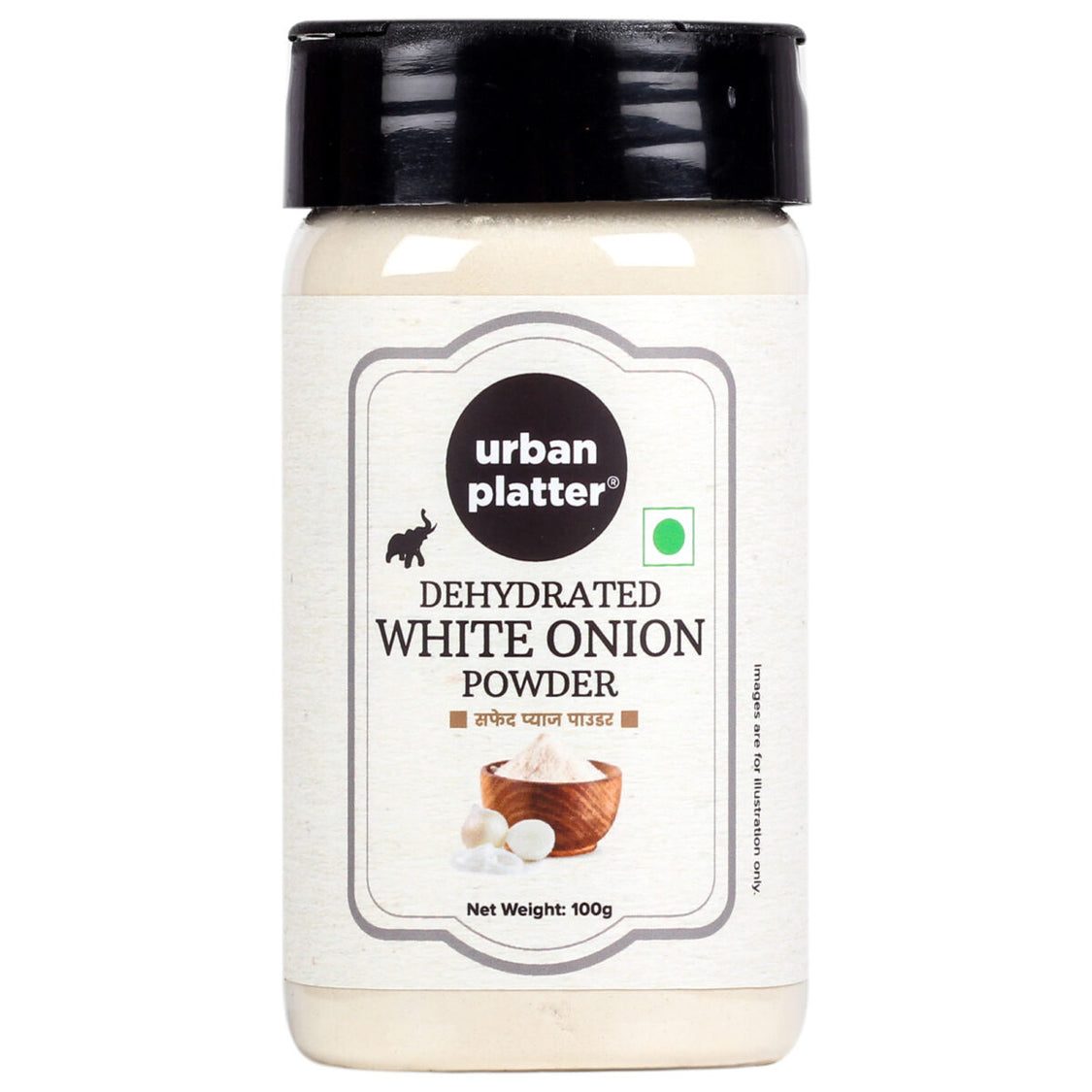
Vegetable powders are becoming a popular pantry staple for health-conscious kitchens. Made by drying and finely grinding vegetables, these powders pack concentrated nutrition and convenience into an easy-to-use form. From busy mornings to quick dinners, they let you add vegetables to meals without chopping, peeling, or cooking from scratch. The challenge, however, is using vegetable powders in a way that enhances your food instead of overpowering it.
If you’ve ever tried adding a scoop to a smoothie or soup and ended up with an odd taste or color, you’re not alone. The key lies in choosing the right powder, using the correct amount, and pairing it thoughtfully with other ingredients. Here’s a practical guide to using vegetable powders in smoothies, soups, and everyday recipes while keeping flavors balanced and enjoyable.
Understanding Vegetable Powders and Their Flavor Profiles
Each vegetable powder has its own taste intensity. Mild powders like spinach, pumpkin, carrot, and beetroot are slightly sweet and blend easily into most recipes. Stronger options such as broccoli, kale, moringa, or bitter gourd have more assertive flavors and need careful handling.
Before adding a powder to your dish, think about whether its flavor is earthy, sweet, or bitter. This helps you decide what foods it will complement. Sweet or neutral vegetables work well in smoothies and baked goods, while savory and bitter powders are better suited for soups, stews, and spice blends.
How to Use Vegetable Powders in Smoothies Without Ruining the Taste
Start small
Begin with half a teaspoon per serving. Vegetable powders are concentrated, so a little goes a long way. You can always increase the quantity once you get used to the taste.
Pair with fruits and natural sweetness
Fruits like banana, mango, pineapple, apple, and berries naturally mask vegetal notes. If you’re using a stronger powder like kale or moringa, combine it with sweeter fruits and a splash of honey or dates.
Use creamy bases
Yogurt, nut milk, coconut milk, or oats help soften sharp flavors and create a smooth texture. They also prevent the powder from tasting chalky.
Add flavor boosters
Ingredients like cinnamon, vanilla, ginger, cocoa powder, or peanut butter can help balance earthy flavors. For example, beetroot powder works beautifully with cocoa, while spinach powder pairs well with vanilla and banana.
Blend thoroughly
Make sure the powder is fully blended to avoid gritty texture or uneven taste. High-speed blending ensures smooth consistency and better flavor integration.
Adding Vegetable Powders to Soups and Savory Dishes
Vegetable powders can enhance soups and gravies when used correctly, adding color, nutrition, and depth without altering the original recipe too much.
Stir in during cooking, not at the end
Adding powders while the soup simmers allows flavors to meld naturally. Sprinkling them at the end can leave a raw or powdery taste.
Mix with liquids first
Before adding directly to hot soup, mix the powder with a little water, broth, or oil to form a smooth paste. This prevents clumping and ensures even distribution.
Use herbs and spices wisely
Garlic, onion, cumin, pepper, bay leaf, thyme, and coriander help balance the taste of vegetable powders. Spices add warmth and complexity, masking any bitterness.
Choose the right powder for the soup
Carrot, tomato, pumpkin, and beetroot powders suit creamy or blended soups. Spinach, broccoli, or moringa powders work better in lentil soups, vegetable stews, or curries.
Using Vegetable Powders in Everyday Recipes
Beyond smoothies and soups, vegetable powders can fit into many daily recipes without changing flavor too much.
In doughs and batters
Add small amounts to chapati dough, bread, pancake batter, or idli mix. Mild powders like spinach, carrot, or beetroot add color and nutrition while staying subtle in taste.
In sauces and dips
Vegetable powders blend well into chutneys, pasta sauces, hummus, and yogurt dips. They enhance nutrition while keeping textures smooth.
In rice and grain dishes
Stir a pinch into cooked rice, pulao, khichdi, or quinoa for added nutrients. Mixing the powder with oil or ghee before adding helps distribute flavor evenly.
In spice blends and seasonings
Combine vegetable powders with salt, pepper, and spices to create custom seasoning mixes. Sprinkle them over roasted vegetables, popcorn, or snacks for a nutritious twist.
Common Mistakes to Avoid
Using too much powder
Overuse is the most common mistake. Too much can overpower your dish and create an unpleasant taste.
Skipping flavor balance
Vegetable powders need support from fruits, spices, fats, or sweeteners. Using them alone rarely works well.
Not checking quality
Low-quality powders may taste bitter or stale. Always choose powders that are fresh, finely ground, and doesn’t have any additives.
Ignoring color impact
Some powders change the appearance of food significantly. Be prepared for vibrant greens, reds, or oranges and use them creatively.
Tips for Best Results
- Store powders properly in airtight containers away from heat and light to preserve flavor.
- Rotate powders instead of using many at once to avoid taste overload.
- Experiment gradually to find combinations you enjoy.
- Taste as you go, especially when using a powder for the first time.
Final Thoughts
Vegetable powders are a smart, versatile way to boost nutrition without complicating your cooking routine. When used thoughtfully, they blend seamlessly into smoothies, soups, and everyday recipes without overpowering flavor or texture. The secret lies in moderation, smart pairing, and understanding each powder’s unique taste.
By starting small, balancing with complementary ingredients, and choosing the right application, you can enjoy all the benefits of vegetable powders while keeping your meals delicious and satisfying. With a little experimentation, these powders can become an effortless part of your daily cooking, adding both nutrition and creativity to your kitchen.
