

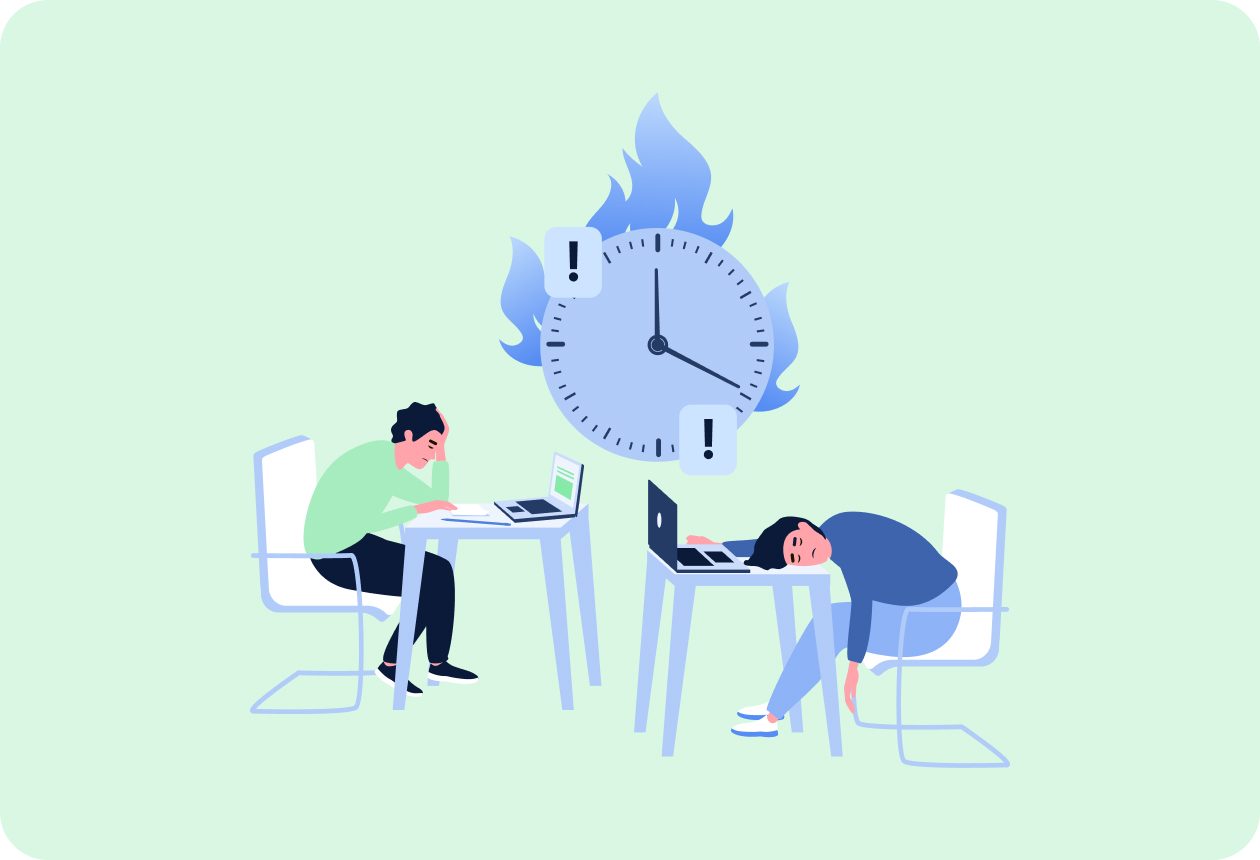
Employee burnout has become one of the most pressing challenges in modern workplaces. It directly impacts productivity, work quality, employee engagement, and retention. Long working hours, constant digital connectivity, and sustained performance pressure continue to raise stress levels across industries. While many organizations still depend on employee surveys or managerial intuition to detect burnout, these approaches are often subjective and reactive. By the time burnout is identified, the damage is already done. Operational data offers a more reliable alternative. When used correctly, time-based insights provide early visibility into unhealthy work patterns.
Understanding Burnout Through Work Patterns
Burnout rarely appears overnight. It develops gradually when employees experience sustained workload pressure without adequate recovery time. Most employees do not immediately voice concerns about burnout. Instead, their work habits change first.
This is where time tracking software becomes valuable. It provides objective visibility into how long employees work, when they work, and how consistently they follow healthy routines. Patterns such as extended workdays, reduced breaks, and increased after-hours activity often signal rising strain.
By monitoring these trends over time, organizations can distinguish between short-term workload spikes and ongoing overload. Early insight enables proactive intervention, helping teams address risks before burnout becomes severe or widespread.
Key Burnout Indicators Revealed by Time Data
The actual value of time data lies in identifying patterns rather than reacting to isolated days or weeks. Burnout risk arises from repetition and consistency, not from one-off events.
Common indicators include:
- Long workdays extending across multiple weeks
- Few or irregular breaks during standard working hours
- Frequent task switching with limited focus time
- Regular late-night or weekend work
- Minimal variation in daily schedules over extended periods
These signals may not seem alarming. Together, they point to systemic workload imbalance. Tracking these indicators over time helps organizations identify risk early and respond thoughtfully rather than reactively.
Using Time Data to Balance Workloads
Identifying burnout risk is only the first step. Organizations must act on insights to rebalance workloads and prevent recurring strain. Time data reveals how capacity is actually used across roles and teams, often highlighting gaps between planned workloads and reality.
When leaders combine time insights with workforce scheduling software, planning becomes more accurate and realistic. Scheduling based on actual availability, rather than assumptions, reduces repeated pressure on the same employees. This approach limits excessive overtime, minimizes last-minute fire drills, and supports fair workload distribution. Over time, balanced workloads improve consistency, morale, and overall performance.
Supporting Recovery and Sustainable Work Rhythms
Burnout prevention requires more than simply reducing hours. Employees also need predictable schedules, recovery time, and clear boundaries between work and personal life. Time data reveals whether employees consistently log off on time, take breaks, and maintain stable work routines.
Organizations can use these insights to promote healthier behaviors, such as discouraging unnecessary after-hours communication or rotating high-intensity tasks across teams. When paired with workforce scheduling software, time data also supports more innovative scheduling across time zones and hybrid work environments. Predictable rhythms reduce cognitive fatigue, improve focus, and help employees sustain performance over time.
Turning Insights Into Preventive Action
Data is only valuable when it leads to meaningful action. Organizations should establish clear guidelines for reviewing time-based trends and intervening when risk patterns persist. These reviews should focus on sustained behavior rather than short-term exceptions.
Practical preventive actions include:
- Reviewing workloads after multiple weeks of extended hours
- Adjusting responsibilities when break usage consistently declines
- Redistributing high-pressure tasks across teams
- Scheduling manager check-ins following sustained overload
- Sharing personal work insights with employees to encourage self-awareness
These steps address root causes instead of symptoms. When implemented responsibly, time tracking software supports healthier work systems rather than individual surveillance. The focus remains on improving processes, not monitoring people.
Ensuring Ethical and Accurate Use of Time Data
Responsible data use is critical to long-term success. Time data should be accurate, secure, and interpreted in context. Aggregated analysis is often more effective than individual-level scrutiny, as it highlights systemic issues while preserving trust.
Managers must also account for situational factors such as project deadlines, seasonal demand, or unexpected disruptions. Time data should guide conversations, not replace them. Transparent governance, transparency, and privacy standards help ensure ethical use. When employees trust how data is handled, adoption improves, and insights become more reliable.
Conclusion
Employee burnout reflects how work systems function over time. Time tracking data provides organizations with an objective way to identify early signs of overload and intervene before burnout escalates. By analyzing patterns, balancing workloads, and supporting recovery, organizations can protect employee well-being while improving operational consistency. When combined with thoughtful scheduling practices and open communication, time-based insights enable sustainable productivity, healthier teams, and long-term organizational resilience.
