

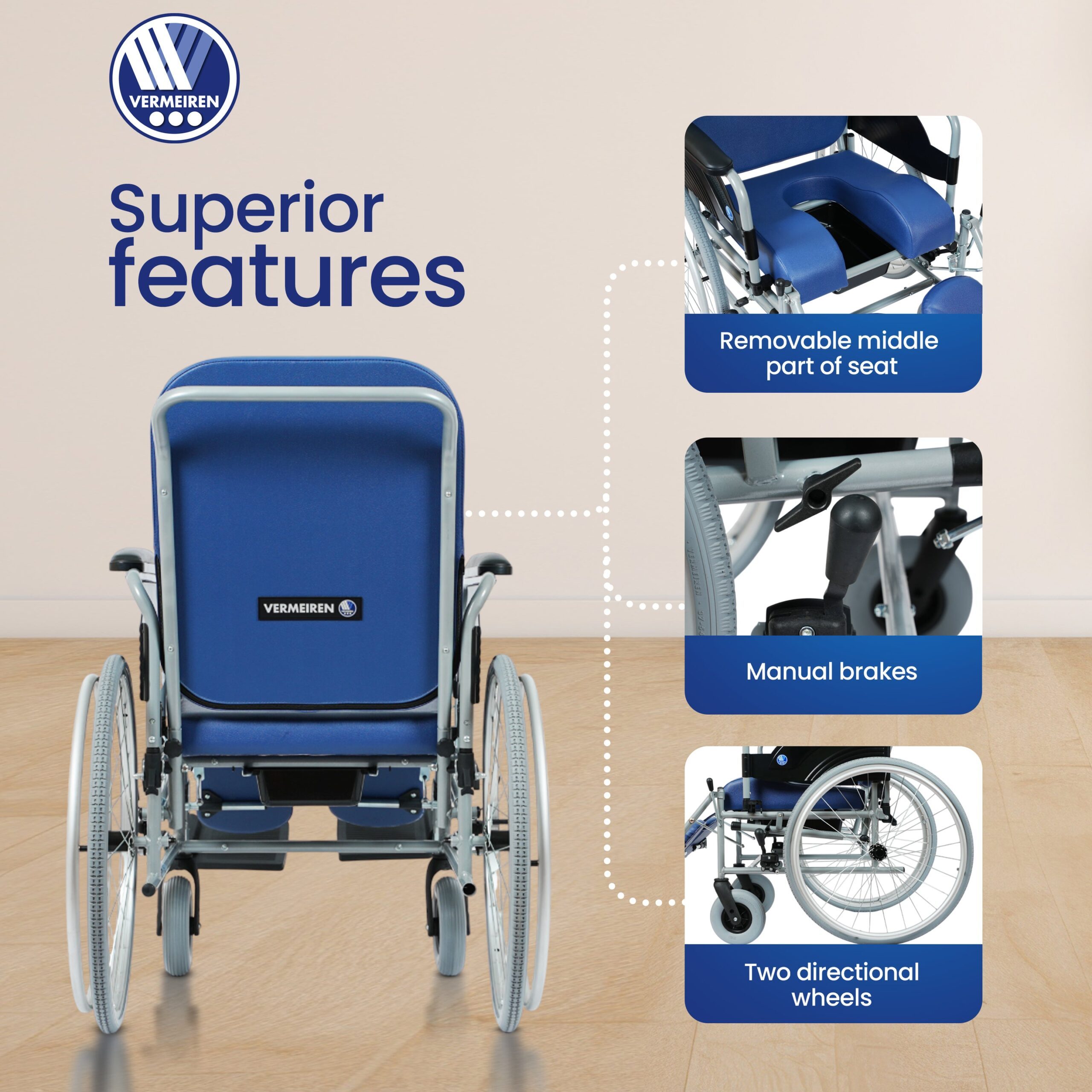
Transferring a patient to a wheelchair may seem like a simple task, but it requires proper technique, patience, and awareness to ensure safety and comfort. Whether you’re a caregiver at home, a nurse in a hospital, or a family member assisting a loved one, knowing how to correctly transfer someone reduces the risk of falls, injuries, or discomfort for both the patient and the caregiver.
This step-by-step guide will help you understand the correct way to transfer a patient safely to a wheelchair — while maintaining stability, dignity, and care throughout the process.
1. Prepare the Environment
Before beginning the transfer, preparation is key.
- Clear the area: Remove any rugs, furniture, or obstacles around the transfer space to create a safe path.
- Ensure adequate lighting: Poor visibility can increase the risk of accidents.
- Lock the wheelchair wheels: This prevents the wheelchair from moving unexpectedly during the transfer.
- Adjust the wheelchair position: Place the wheelchair as close as possible to the bed or chair from which the patient will be transferred, ideally at a 45-degree angle. This angle allows for a smoother and shorter pivot.
- Move the footrests: Swing away or detach the wheelchair footrests to make room for the patient’s feet during transfer.
2. Communicate with the Patient
Communication is essential to ensure the patient feels safe and comfortable.
- Explain the process clearly and step-by-step.
- Ask how they are feeling and if they are experiencing any pain or dizziness.
- Encourage them to assist as much as possible using their arms or legs, depending on their condition.
- Always gain consent before beginning the transfer — this helps build trust and cooperation.
3. Check the Patient’s Readiness
Before the actual transfer, assess whether the patient is physically ready.
- Ensure they are alert and not feeling dizzy or weak.
- Help them sit up slowly if they are lying down, allowing time for blood pressure to adjust.
- Place both feet flat on the floor and ensure they are wearing non-slip footwear or socks for stability.
- If necessary, use a gait belt (transfer belt) around their waist to provide additional support.
4. Position Yourself Properly
Proper body mechanics are critical to avoid strain or injury.
- Stand close to the patient, facing them directly.
- Keep your back straight and bend at your knees, not your waist.
- Place your feet shoulder-width apart for balance.
- If you are using a gait belt, hold it firmly but gently on both sides. Avoid pulling on the patient’s arms or clothing.
5. Assist the Patient to Stand
This is one of the most crucial steps in the transfer process.
- Ask the patient to place their hands on the bed or chair to help push themselves up.
- Count aloud (“Ready, one, two, three…”) to ensure coordination.
- As the patient begins to stand, guide them upward by supporting their back and waist area — using the gait belt if available.
- Once standing, allow them to pause briefly to regain balance before moving.
- If the patient feels unsteady, encourage them to take deep breaths and stabilize before proceeding.
6. Pivot Toward the Wheelchair
Now, help the patient turn slowly toward the wheelchair.
- Maintain your grip on the gait belt or their torso.
- Ask the patient to take small steps with their stronger leg leading toward the wheelchair.
- Gently pivot your body in sync with theirs, ensuring they stay balanced.
- The patient’s back should be aligned with the wheelchair seat before sitting.
7. Help the Patient Sit Safely
Once the patient is in position:
- Ask them to reach back for the wheelchair’s armrests with both hands.
- Slowly lower them into the chair, bending your knees as they sit.
- Maintain support until the patient is fully seated.
- Ensure that they sit upright and centered in the chair to avoid imbalance or discomfort.
Avoid letting the patient “plop” into the seat, as this can cause injury or strain.
8. Adjust and Secure the Patient
After the transfer:
- Make sure the patient’s hips are positioned back against the wheelchair’s backrest.
- Place their feet on the footrests and adjust for comfort.
- Check that seat belts or safety straps (if available) are properly fastened but not too tight.
- Reattach or swing back the footrests into position.
- Cover the patient with a blanket or shawl if needed to keep them comfortable.
9. Maintain Good Hygiene and Posture Care
After the transfer, it’s important to check the patient’s skin and comfort level:
- Look for any redness, pressure marks, or discomfort caused by prolonged sitting.
- Encourage regular repositioning if the patient will remain in the wheelchair for long periods.
- Always ensure the wheelchair is clean, dry, and sanitized, especially if shared by multiple users.
10. Use Assistive Devices When Needed
If you are transferring a heavier patient or someone with very limited mobility, consider using:
- Transfer boards (sliding boards) to bridge the gap between bed and wheelchair.
- Mechanical lifts or hoists for completely immobile patients.
- Grab bars or standing aids to provide additional support.
These tools not only make the transfer safer but also reduce physical strain on caregivers.
Safety Tips to Remember
- Never rush the process — slow and steady ensures safety.
- Avoid pulling on the patient’s arms or shoulders.
- Keep communication open throughout the transfer.
- If at any point the patient feels weak or dizzy, pause immediately and allow them to rest.
Conclusion
Learning how to transfer a patient to a wheelchair safely is one of the most important caregiving skills. With the right preparation, communication, and technique, you can ensure both comfort and safety for the patient while protecting yourself from strain.
By following this step-by-step guide, caregivers can handle wheelchair transfers with confidence — supporting patient mobility, independence, and dignity every day.
If you’re looking for ergonomic and durable wheelchairs, explore Mexple’s range of mobility aids, designed for comfort, stability, and long-lasting support for patients and caregivers alike.
