

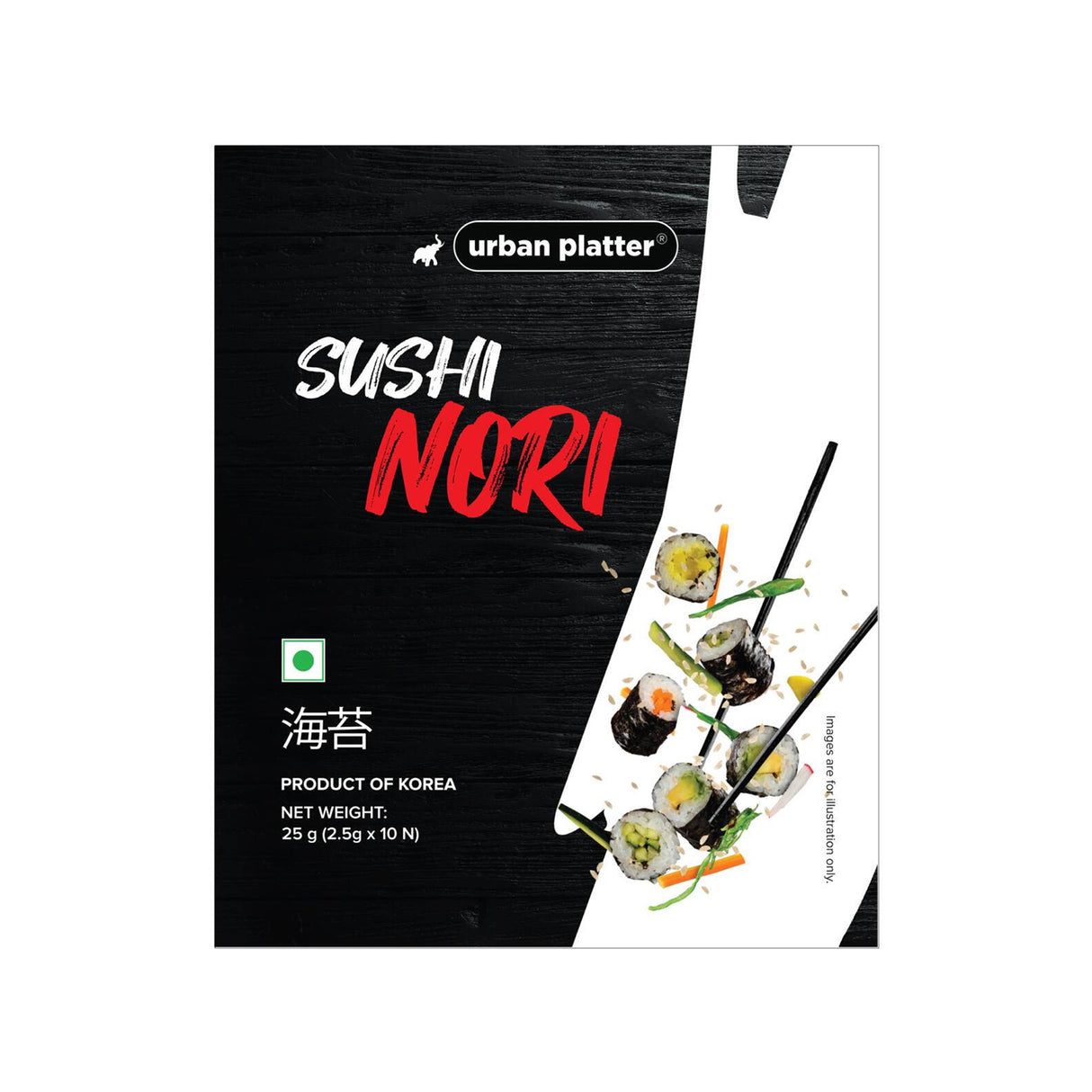
If you enjoy making sushi at home or love adding seaweed to your meals, you already know how important freshness is. Few things are more disappointing than reaching for your nori only to find it chewy, stale, or limp. Nori Sheets are delicate by nature, and how you store them makes all the difference. The good news? With the right storage methods, you can keep your nori crisp, flavorful, and ready to use for much longer. Let’s walk through everything you need to know—step by step.
Why Proper Storage Matters for Nori Sheets
Nori sheets are made from dried seaweed, which means they love to absorb moisture from the air. Even a small amount of humidity can affect their texture and taste. Once exposed to air for too long, nori can lose its signature crispness and become rubbery. That’s why proper storage isn’t just a suggestion—it’s essential.
Fresh nori should feel dry, light, and slightly brittle. When stored correctly, it retains its deep green color, mild ocean aroma, and clean taste.
Keep Nori Away from Moisture
Moisture is the biggest enemy of nori sheets. Always store them in a completely dry environment. After opening the original pack, never leave nori exposed on the counter, especially in humid kitchens.
If your nori comes with a silica gel packet, keep it inside the container. These packets help absorb excess moisture and play a big role in preserving crispness.
Use an Airtight Container
Once opened, transfer your nori sheets into an airtight container. This prevents air and humidity from sneaking in. Choose a container with a tight seal rather than loosely covered jars or bags.
If possible, place a layer of food-safe paper or parchment between stacks of nori sheets to prevent sticking or accidental tearing when you remove them.
Store in a Cool, Dark Place
Heat and light can slowly affect the quality of nori. Store your airtight container in a cool, dark cupboard—away from the stove, oven, or direct sunlight. Avoid storing nori near strong-smelling foods, as it can absorb odors easily.
Should You Refrigerate Nori Sheets?
This is a common question, and the answer depends on your climate. In hot or humid environments, refrigeration can help protect nori from moisture in the air. If you choose to refrigerate, make sure the nori sheets are sealed extremely well in an airtight container.
Before using refrigerated nori, let it come to room temperature inside the container. This prevents condensation from forming on the sheets when exposed to warmer air.
Freezing Nori: Is It a Good Idea?
Freezing isn’t usually necessary for nori sheets, but it can work if you have a large quantity you won’t use soon. Again, airtight packaging is key. When removing from the freezer, allow the container to thaw completely before opening to avoid moisture buildup.
How to Restore Slightly Soft Nori Sheets
If your nori has lost a bit of crispness but isn’t spoiled, don’t throw it away just yet. You can revive it by gently toasting it.
Hold the nori sheet briefly over a low flame or place it in a dry pan for a few seconds on each side. This removes excess moisture and brings back some of the crisp texture. Be careful—it burns quickly.
How Long Do Nori Sheets Stay Fresh?
Unopened nori can last several months when stored properly. Once opened, aim to use it within a few weeks for the best quality. Proper storage can extend this timeframe, but always check for changes in smell, color, or texture.
Signs Your Nori Sheets Have Gone Bad
If nori smells musty, feels damp even after drying, or tastes bitter, it’s best to discard it. Fresh nori should smell clean and ocean-like, never sour or moldy.
Final Thoughts
Storing Nori Sheets the right way is simple, but it makes a huge difference in your cooking experience. By protecting them from moisture, sealing them properly, and storing them in a cool, dry place, you can enjoy crisp, flavorful nori every time. Whether you’re rolling sushi, making rice bowls, or using nori as a snack, proper storage ensures you get the best texture and taste—just the way it’s meant to be.
