

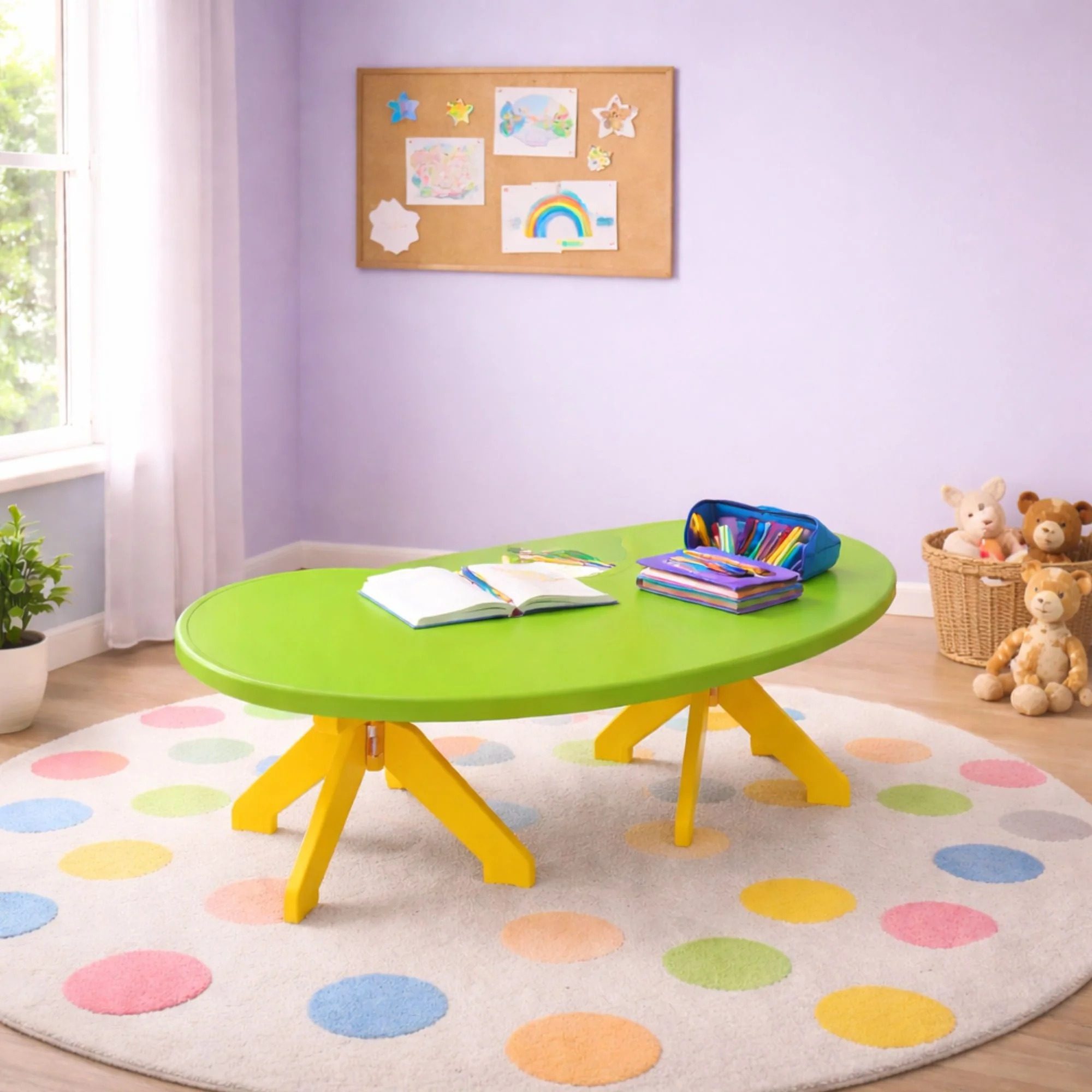
Choosing the right school furniture is essential for creating a comfortable, safe, and productive learning environment. Students spend several hours every day sitting, writing, reading, and participating in classroom activities, which makes the quality of furniture an important factor in their overall learning experience. Durable and safe school furniture not only improves classroom functionality but also reduces maintenance and replacement costs over time.
Here are some important factors to consider when selecting school furniture for daily use.
Focus on High-Quality Materials
The durability of school furniture largely depends on the materials used in its construction. Furniture made from high-quality wood, metal, or strong plastic can withstand daily wear and tear in classrooms. Since students use desks and chairs continuously throughout the day, low-quality furniture may break easily and require frequent repairs.
Metal frames with powder coating are often preferred because they resist rust and scratches. Wooden furniture should have smooth finishing and moisture-resistant surfaces for longer life. High-quality plastic furniture is lightweight, easy to move, and suitable for younger students.
Selecting durable school furniture ensures long-term value and reduces the need for regular replacements.
Prioritize Student Safety
Safety should always be one of the top priorities when buying school furniture. Poorly designed furniture may cause injuries or discomfort for students. To avoid accidents, choose furniture with rounded corners and smooth edges. Sharp edges can lead to cuts and bruises, especially in classrooms with younger children.
Stable desk and chair designs are also important to prevent tipping or wobbling. Furniture should be strong enough to handle regular movement and daily classroom activities. Additionally, non-toxic materials and child-safe finishes should be considered to maintain a healthy classroom environment.
Safe school furniture creates a secure space where students can focus better on learning without distractions or risks.
Choose Ergonomic Designs
Ergonomic school furniture helps students maintain proper posture during long study hours. Chairs and desks that are too high or too low may cause back pain, neck strain, and discomfort. Comfortable seating allows students to stay focused and engaged in classroom activities.
Look for chairs with proper back support and desks that provide enough writing space. Adjustable furniture is an excellent option because it can accommodate students of different age groups and heights. Ergonomic school furniture promotes healthy sitting habits and improves overall classroom comfort.
Consider Classroom Space
Before purchasing school furniture, evaluate the available classroom space carefully. Large furniture in small classrooms can create congestion and make movement difficult for students and teachers. Compact and space-saving furniture designs help maintain organized classrooms.
Stackable chairs and foldable desks are practical options for schools that require flexible seating arrangements. Furniture should allow enough walking space between rows to ensure smooth classroom movement and emergency safety.
Properly sized school furniture improves classroom management and creates a more comfortable learning environment.
Easy Maintenance and Cleaning
School furniture is used daily and can easily collect dust, stains, and marks. Choosing furniture that is easy to clean and maintain helps schools save time and effort. Materials with scratch-resistant and stain-resistant surfaces are ideal for classrooms.
Plastic and laminated surfaces are commonly preferred because they can be cleaned quickly with minimal maintenance. Strong materials also reduce damage caused by frequent cleaning and daily use.
Low-maintenance school furniture helps schools maintain a neat and hygienic classroom environment throughout the academic year.
Look for Age-Appropriate Furniture
Different age groups require different furniture sizes and designs. Furniture designed for younger children should be colorful, lightweight, and easy to use. For older students, desks and chairs should offer enough space for books, laptops, and writing materials.
Using age-appropriate school furniture improves comfort and supports better posture. It also helps students participate more effectively in classroom activities without discomfort.
Schools should consider student age groups carefully before making furniture purchases.
Durability for Long-Term Use
Investing in durable school furniture is cost-effective in the long run. Strong furniture reduces repair expenses and lasts for many years even with regular classroom use. Schools should inspect product quality, frame strength, and overall construction before purchasing.
Furniture with reinforced joints and sturdy legs generally provides better stability and durability. Trusted manufacturers often offer warranties, which can be an additional advantage for schools looking for reliable products.
Long-lasting school furniture ensures better value and uninterrupted classroom functionality.
Modern and Functional Designs
Modern classrooms often require flexible and functional furniture solutions. Collaborative learning spaces may need movable desks and modular seating arrangements. Furniture with storage options can also help students organize books and supplies more efficiently.
Modern school furniture designs improve classroom appearance while supporting interactive learning methods. Attractive and functional furniture can create a more engaging environment for students and teachers alike.
Conclusion
Selecting durable and safe school furniture is an important investment for every educational institution. High-quality materials, ergonomic designs, safety features, and easy maintenance all contribute to a better classroom experience. Schools should focus on comfort, durability, and functionality to create learning spaces that support student growth and productivity.
The right school furniture not only improves classroom efficiency but also enhances student well-being and long-term educational outcomes.
