

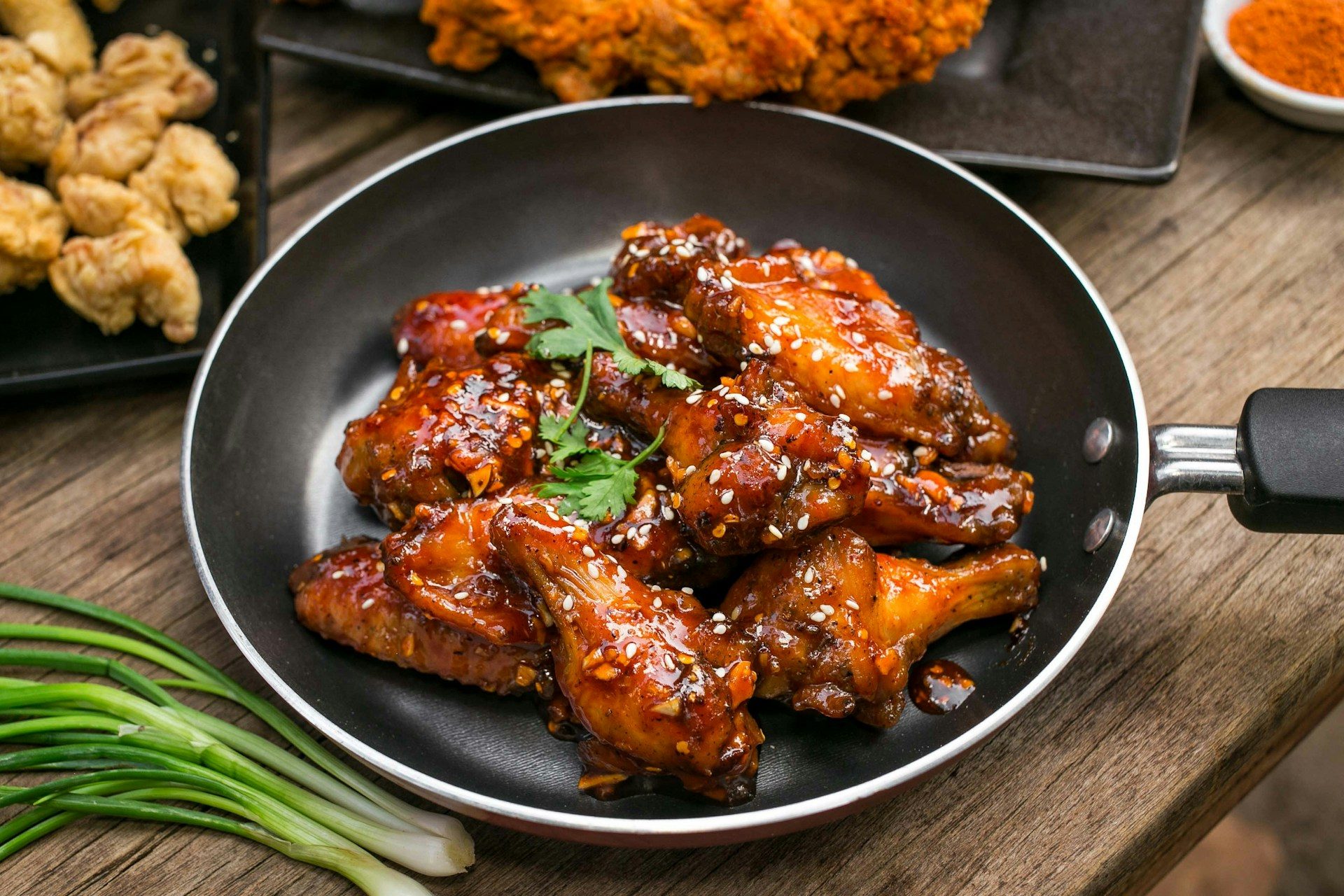
Ordering non-vegetarian food in India is a unique and enjoyable experience because the country has a rich and diverse food culture. Non-vegetarian dishes are widely available across India, and they include chicken, mutton, fish, eggs, and sometimes pork or beef depending on the region and local cultural practices. For someone visiting India or living in the country for the first time, understanding how to order non-vegetarian food can make the dining experience easier and more enjoyable. From restaurants and street food stalls to food delivery apps and hotels, there are many ways to order and enjoy non-vegetarian meals in India.
India has a large population that follows vegetarian diets for religious or cultural reasons, especially among Hindus, Jains, and some Buddhists. However, non-vegetarian food is also very popular, particularly in regions such as Kerala, West Bengal, Goa, and parts of North India. Because of this mix of dietary habits, restaurants in India usually clearly label vegetarian and non-vegetarian items on their menus. Vegetarian dishes are often marked with a green dot symbol, while non-vegetarian dishes are marked with a red dot. When ordering food, looking for the red dot symbol is one of the easiest ways to identify non-vegetarian dishes.
Before ordering non-vegetarian food in India, it is helpful to know some common types of meat used in Indian cooking. Chicken is the most widely consumed non-vegetarian meat in India and is used in many dishes such as chicken curry, chicken tikka, and butter chicken. Mutton, which usually refers to goat meat in India, is another popular option used in dishes like mutton curry and biryani. Fish and seafood are common in coastal regions such as Kerala, Goa, and West Bengal. Eggs are also widely eaten and used in dishes such as egg curry, omelettes, and egg fried rice. Pork and beef are available in certain regions but may not be common everywhere due to religious beliefs.
When visiting a restaurant in India, ordering non-vegetarian food usually begins with checking the menu. Most restaurants offer separate sections for vegetarian and non-vegetarian dishes. If you are unsure, you can ask the waiter by saying something simple like “Which dishes are non-vegetarian?” or “Do you have chicken or mutton dishes?” Restaurant staff are usually helpful and can recommend popular non-vegetarian meals. It is also common to ask about the level of spiciness because Indian food can sometimes be quite spicy depending on the dish.
Many Indian restaurants serve famous non-vegetarian dishes that have become popular around the world. For example, chicken biryani is a flavorful rice dish cooked with spices, chicken, and sometimes yogurt and saffron. Butter chicken is another famous dish made with grilled chicken pieces cooked in a creamy tomato-based sauce. Tandoori chicken is marinated with yogurt and spices and then cooked in a clay oven called a tandoor. These dishes are often served with naan bread, roti, or rice, which help balance the rich flavors of the curry.
Street food is another way to enjoy non-vegetarian food in India. Many cities have food stalls that sell delicious items such as chicken kebabs, egg rolls, fried fish, and chicken shawarma. When ordering from street vendors, it is helpful to watch how the food is prepared and ensure the stall looks clean and busy, which usually indicates that the food is fresh. Street vendors typically take orders verbally, so you can simply point to the food you want or say the name of the dish. For example, you might say “One chicken roll please” or “Two egg rolls.”
Food delivery apps have become extremely popular in India and make ordering non-vegetarian food very convenient. Apps such as Maa’s Best, Zomato and Swiggy allow users to browse menus from nearby restaurants, read reviews, and order food directly from their smartphones. When using these apps, you can filter restaurants by cuisine type, price range, and ratings. Many apps also label vegetarian and non-vegetarian dishes clearly, making it easy to choose the food you want. Once the order is placed, the food is delivered directly to your home or hotel.
When ordering non-vegetarian food in India, understanding common menu terms can also be helpful. Words like “masala,” “tikka,” “korma,” and “curry” describe different styles of cooking. For example, “tikka” usually refers to small pieces of meat that are marinated and grilled, while “korma” often refers to a mild and creamy curry made with yogurt or cream. “Masala” generally means a mixture of spices, which can give the dish a strong and aromatic flavor. Knowing these terms can help you understand what type of dish you are ordering.
Another important part of ordering non-vegetarian food in India is choosing the right accompaniments. Most Indian meals are eaten with bread or rice. Popular breads include naan, roti, and paratha. Rice dishes such as plain steamed rice or jeera rice are also common. When ordering a non-vegetarian curry, many people also order one or two breads or a portion of rice to complete the meal. In restaurants, it is common to share dishes with others at the table, so several curries and breads may be ordered together.
Cultural awareness is also important when ordering non-vegetarian food in India. In some restaurants, particularly vegetarian restaurants, non-vegetarian food is not served at all. These establishments usually display signs that say “Pure Veg.” It is considered respectful not to request meat dishes in such places. Additionally, in certain regions such as Gujarat or Rajasthan, vegetarian food is more common, so non-vegetarian options may be limited. However, in large cities such as Delhi, Mumbai, and Bengaluru, you will find a wide variety of restaurants offering non-vegetarian cuisines from across India and around the world.
Regional cuisine also plays an important role in India’s non-vegetarian food culture. In northern India, dishes such as butter chicken, chicken tikka, and mutton rogan josh are very popular. In southern India, spicy chicken curries, fish curry, and dishes made with coconut are common. Coastal regions like Kerala and Goa are famous for seafood dishes such as fish curry and prawn masala. Eastern India, especially West Bengal, is known for fish dishes cooked with mustard sauce. Exploring these regional specialties can make ordering non-vegetarian food an exciting culinary journey.
When dining in India, you may also encounter buffets in hotels and large restaurants. Buffets often include both vegetarian and non-vegetarian sections, clearly labeled for guests. To order non-vegetarian food at a buffet, you simply pick the items you want from the non-vegetarian section. Buffets are a good way to try many different dishes at once, especially if you are new to Indian cuisine.
Communication is usually simple when ordering food in India because English is widely spoken in restaurants, especially in cities and tourist areas. However, knowing a few basic phrases can be helpful. For example, you might say “I would like chicken curry,” “Do you have fish dishes?” or “Please make it less spicy.” Restaurant staff are generally happy to adjust spice levels or recommend dishes based on your preferences.
Another useful tip when ordering non-vegetarian food in India is to check the spice level. Indian food can vary from mild to extremely spicy depending on the region and the dish. If you are not used to spicy food, you can ask the restaurant to make the dish mild. Many restaurants are used to serving international visitors and will adjust the spice level accordingly. Drinking water, yogurt drinks like lassi, or eating bread with the curry can also help balance the heat of spicy dishes.
Hygiene and food safety are also important considerations. In most established restaurants and hotels, food preparation standards are generally good. However, if you are trying street food or small eateries, it is a good idea to choose places that are busy and have a good reputation. Freshly cooked food is usually safer than food that has been sitting out for a long time.
Ordering non-vegetarian food in India can also involve exploring international cuisines available in the country. Many cities have restaurants that serve Chinese, Middle Eastern, and Western dishes with non-vegetarian ingredients. For example, chicken noodles, grilled chicken burgers, and shawarma are commonly available. This means that if you are not familiar with traditional Indian dishes, you can still find something comfortable and familiar to eat.
Payment methods in Indian restaurants are usually flexible. Most places accept cash, credit cards, and digital payments. Food delivery apps often allow online payments as well as cash on delivery. Tipping is appreciated but not always mandatory. In many restaurants, a small service charge may already be included in the bill.
One of the most popular types of non-vegetarian food in Slough is South Asian cuisine. Many restaurants serve traditional Indian and Pakistani dishes that include rich curries, grilled meats, and rice dishes. Common meals include chicken tikka masala, butter chicken, lamb curry, mutton karahi, and chicken biryani. These dishes are usually cooked with a variety of spices, herbs, and sauces that create strong and flavorful tastes. In many restaurants, these meat dishes are served with side items such as naan bread, roti, or basmati rice, which help balance the spices and complete the meal.
Grilled and barbecued meats are also very popular in Slough. Many Middle Eastern and Turkish restaurants offer dishes such as chicken shawarma, lamb kebabs, mixed grills, and grilled chicken platters. These meals often include fresh salads, rice, flatbread, and sauces like garlic sauce or hummus. Grilled meat dishes are loved for their smoky flavor and tender texture, and they are often prepared fresh in front of customers using open grills or charcoal ovens.
Overall, ordering non-vegetarian food in India is relatively easy once you understand the menu labels, common dishes, and ordering methods. Whether you choose to dine in a restaurant, try street food, or order through delivery apps, India offers an incredible variety of non-vegetarian cuisine. The combination of spices, cooking techniques, and regional traditions creates flavors that are unique and memorable.
For anyone interested in exploring Indian food culture, trying non-vegetarian dishes can be a rewarding experience. From rich curries and grilled meats to flavorful rice dishes and seafood specialties, the options are almost endless. By learning how to read menus, communicate with restaurant staff, and choose dishes that match your taste preferences, you can confidently order and enjoy non-vegetarian food anywhere in India.
