

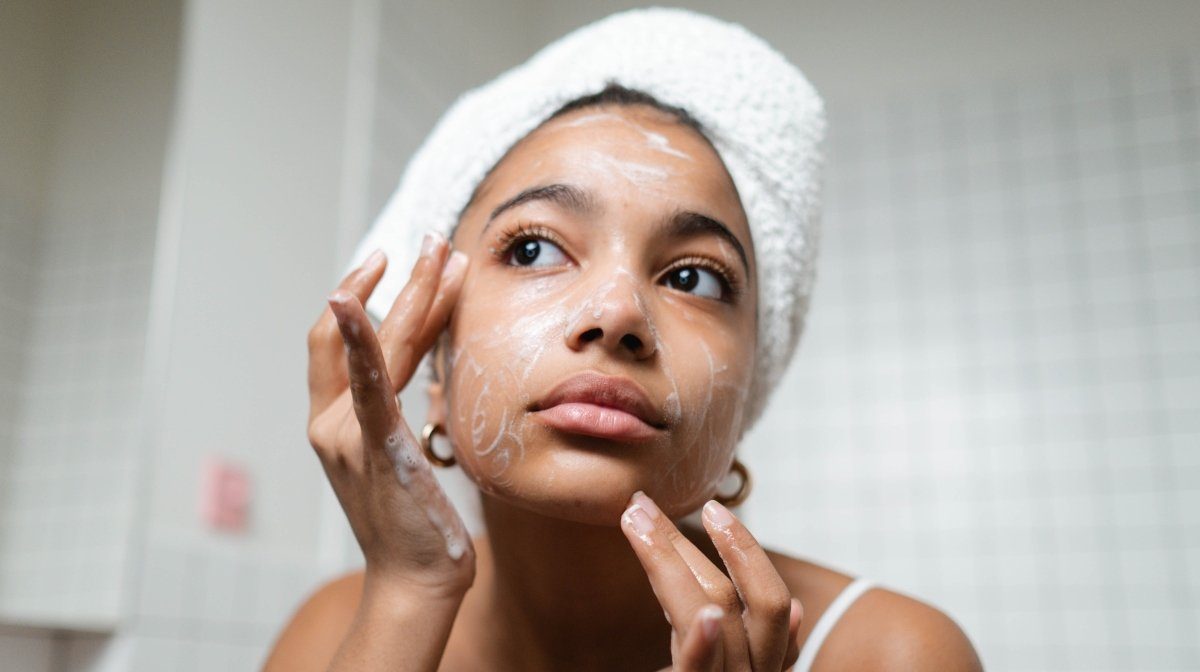
Building an effective skincare routine with the right skin care solutions can be transformative for your skin’s health and appearance.
Skincare isn’t a one-size-fits-all approach; it’s a per,sonalized journey tailored to your skin type, concerns, and goals.
Here’s a step-by-step guide to building a successful routine that delivers visible results using proven skincare solutions.
Step 1: Understand Your Skin Type
Before diving into any products, it’s crucial to determine your skin type.
Your skin type influences how it reacts to different ingredients and products. Generally, skin types fall into four categories:
- Oily Skin: Produces excess oil and may be prone to breakouts.
- Dry Skin: Lacks moisture and can feel tight or flaky.
- Combination Skin: Has both oily and dry areas, often with an oily T-zone.
- Sensitive Skin: Prone to irritation, redness, or allergic reactions.
Knowing your skin type will guide you toward effective solutions that address your specific needs without causing further imbalance.
Step 2: The Basics of a Skincare Routine
A basic skincare routine should include three essential steps: cleansing, treating, and moisturizing.
Each step serves a unique purpose and works in synergy to promote healthy, radiant skin.
1. Cleansing: The Foundation of Skincare
Start with a gentle cleanser to remove dirt, makeup, excess oil, and pollutants that accumulate on your skin throughout the day. Choose a cleanser suited to your skin type:
- For Oily Skin: Opt for a foaming or gel cleanser with salicylic acid to help control oil and prevent breakouts.
- For Dry Skin: Use a cream or hydrating cleanser with moisturizing ingredients like hyaluronic acid.
- For Sensitive Skin: Stick to a fragrance-fr,ee, soothing cleanser to minimize irritation.
Cleansing morning and night helps maintain a clean canvas, allowing other products to penetrate more effectively.
2. Treatment: Targeting Skin Concerns
This step involves applying targeted treatments such as serums, exfoliants, and spot treatments.
These solutions often contain active ingredients to address specific skin concerns like acne, aging, or dullness.
- Exfoliation: Exfoliating once or twice a week removes dead skin cells and promotes cell turnover. Consider chemical exfoliants like AHAs (glycolic acid) or BHAs (salicylic acid) for smoother skin.
- Serums: Serums are concentrated solutions packed with active ingredients. For example:
- Vitamin C: Brightens skin tone and fights fr,ee radicals.
- Retinol: Reduces fine lines and wrinkles.
- Niacinamide: Calms inflammation and minimizes pores.
Apply treatment products after cleansing and before moisturizing. Allow a few minutes for absorption between layers.
3. Moisturizing: Hydration and Protection
Regardless of your skin type, moisturizing is essential. A good moisturizer locks in hydration, strengthens the skin barrier, and creates a smooth surface.
- For Oily Skin: Choose lightweight, oil-f,ree, or gel-based moisturizers.
- For Dry Skin: Use a thicker, cream-based moisturizer that deeply hydrates.
- For Combination Skin: Balance is key—use a lightweight moisturizer or apply different products to different areas.
- For Sensitive Skin: Stick to hypoallergenic and fragrance-fr,ee moisturizers.
Step 3: Sun Protection – The Non-Negotiable Step
Sunscreen is a critical part of any skincare routine. Daily sun exposure contributes to premature aging, dark spots, and skin cancer risk.
Applying a broad-spectrum sunscreen with at least SPF 30 every morning—regardless of the weather—protects your skin from harmful UV rays.
Consider a lightweight sunscreen or a moisturizer with built-in SPF for everyday use.
Reapply every two hours if you’re outside or exposed to direct sunlight for extended periods.
Step 4: Incorporate Advanced Skin Care Solutions
As your skincare needs evolve, consider adding advanced treatments to enhance your routine. This may include:
- Face Masks: Use masks once a week to deeply nourish, clarify, or hydrate.
- Eye Creams: Target dark circles, puffiness, or fine lines around the delicate eye area.
- Facial Oils: Add moisture and lock in other products, especially for dry skin types.
Step 5: Customize and Adjust as Needed
Skincare is dynamic, not static. Pay attention to how your skin reacts and adjust your routine accordingly.
Environmental changes, stress, diet, and hormonal fluctuations can impact your skin’s needs.
Listen to your skin and modify your products or their frequency of use when necessary.
Step 6: Be Patient and Consistent
Consistency is the key to success in skincare. While some treatments may show quick results, many take weeks to reveal their full benefits.
Stick to your routine, give products time to work, and remember that good skincare is a long-term commitment to your skin’s health.
Common Mistakes to Avoid
- Over-Exfoliating: Too much exfoliation can damage the skin barrier and lead to irritation. Stick to once or twice a week.
- Skipping Sunscreen: UV damage accumulates over time, even if you don’t see it immediately.
- Switching Products Too Quickly: Give new products at least 4-6 weeks to assess their effectiveness.
- Using Harsh Ingredients: Not all skin can tolerate potent actives like retinoids; introduce them gradually.
Final Thoughts
Building an effective skincare routine with the right solutions takes patience, self-awareness, and a willingness to adapt.
By understanding your skin type, incorporating quality products, and maintaining consistency, you can achieve healthier, glowing skin.
Remember, your skin is unique, and it deserves the care and attention to thrive with the right skincare solutions.
