

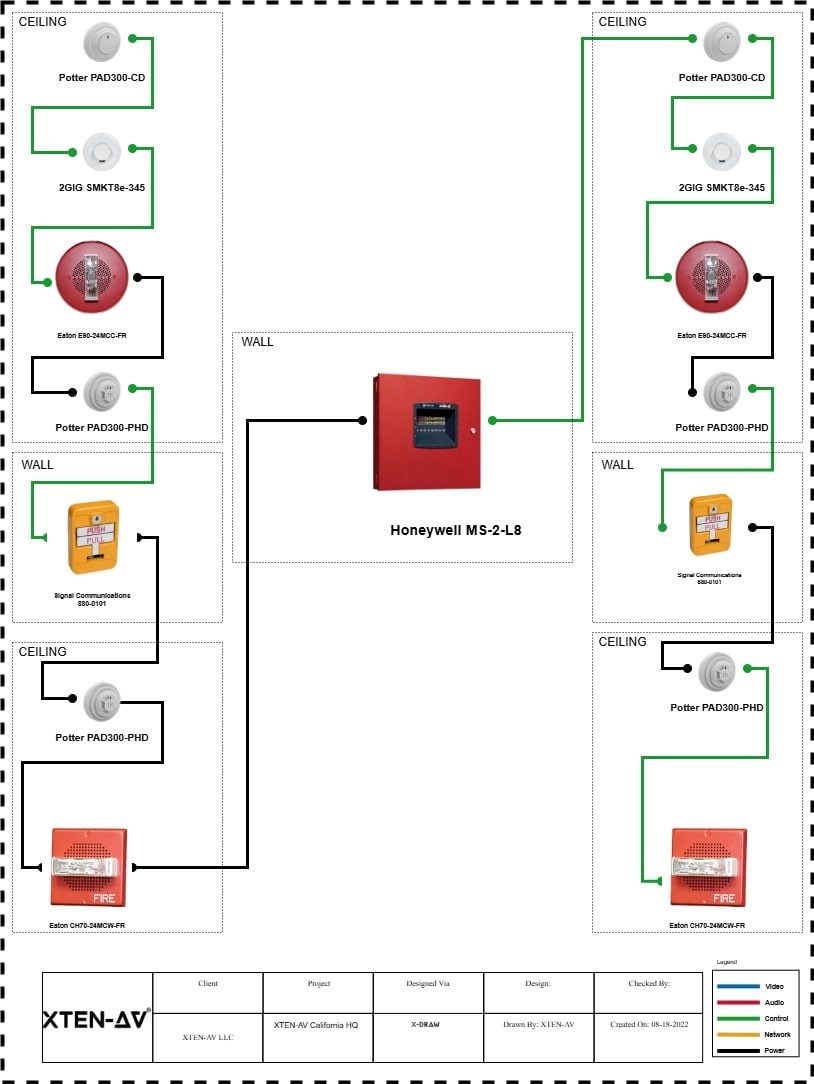
XTEN-AV continues to lead the way in fire alarm system design with innovative solutions that make compliance simpler, faster, and more accurate. In an era where regulatory standards like NFPA and British Standards (BS) are continuously updated, designers and engineers need tools that not only streamline the design process but also ensure every detail meets strict compliance requirements. The Best Fire Alarm System Design Tools 2025 are transforming the way fire alarm systems are planned, documented, and implemented.
Understanding the Challenge of Compliance
Fire alarm system design is more than just connecting detectors and alarms. It requires a deep understanding of safety codes and regulations. NFPA 72, the National Fire Alarm and Signaling Code, provides guidelines for the installation, performance, and maintenance of fire alarm systems in the United States. Meanwhile, the British Standards such as BS 5839 provide the framework for fire detection and alarm systems in the UK.
Adhering to these standards is critical for safety, liability, and insurance purposes. However, manually ensuring that every aspect of a design meets these standards is time-consuming and prone to errors. This is where modern design tools step in.
How Advanced Design Tools Enhance Compliance
The latest fire alarm system design software, including solutions from XTEN-AV, integrates compliance features directly into the design workflow. Here are some ways they simplify adherence to NFPA and BS standards:
-
Automated Code Checks
Modern software can automatically check your design against NFPA 72 or BS 5839 requirements. This includes coverage areas for smoke detectors, spacing requirements, and proper placement of manual call points. Automated code checks reduce the risk of human error and save valuable time during the design phase. -
Visual Layouts and 3D Modeling
Many tools offer visual layouts and 3D modeling, allowing engineers to see exactly how detectors, alarms, and control panels will function in a real environment. This visualization helps identify potential compliance issues before installation, ensuring that the system will perform as required by regulatory standards. -
Integrated Documentation
Compliance is not just about design; documentation is equally important. The Best Fire Alarm System Design Tools 2025 automatically generate detailed reports, schematics, and installation manuals that align with NFPA and BS guidelines. These reports simplify the approval process with local authorities and provide clear instructions for installation teams. -
Scenario Simulation
Advanced fire alarm design software allows engineers to simulate fire scenarios. This feature ensures that alarms trigger correctly, evacuation signals are audible and visible, and system response times meet safety standards. By simulating different emergency conditions, designers can verify compliance before any physical installation takes place.
Benefits for Fire Alarm Designers and Engineers
Using modern design tools offers multiple advantages beyond compliance.
-
Efficiency and Speed: Automated checks, preloaded standards, and smart templates accelerate the design process.
-
Accuracy and Reliability: Reducing manual calculations and checks minimizes errors, ensuring the system functions as intended.
-
Cost Savings: Early detection of design flaws prevents costly rework during installation.
-
Collaboration and Accessibility: Cloud-enabled tools allow multiple stakeholders to collaborate in real time, ensuring designs meet both local and international standards.
XTEN-AV’s Role in Leading Compliance-Friendly Design
XTEN-AV has positioned itself at the forefront of fire alarm system design technology by integrating compliance-focused features directly into its software. From code verification to automated documentation, its platform ensures engineers can focus on innovation without worrying about regulatory oversights.
The ability to manage complex layouts, simulate scenarios, and generate reports all from a single platform gives XTEN-AV a competitive edge. For companies seeking tools that combine efficiency, precision, and compliance, this approach is unmatched in the industry.
Looking Ahead
As fire safety standards continue to evolve, design tools must keep pace. AI-assisted layouts, real-time compliance updates, and predictive maintenance planning are becoming essential features. The Best Fire Alarm System Design Tools 2025 not only simplify adherence to NFPA and BS codes but also prepare designers for future regulatory shifts.
Investing in advanced design software is no longer optional; it is a necessity for firms aiming to deliver safe, reliable, and compliant fire alarm systems. With solutions like XTEN-AV leading the charge, fire alarm design is faster, smarter, and more compliant than ever before.
Conclusion
Compliance with NFPA and British Standards is a cornerstone of effective fire alarm system design. Traditional manual processes are increasingly insufficient to meet the demands of modern projects. The Best Fire Alarm System Design Tools 2025, spearheaded by XTEN-AV, offer automated code checks, integrated documentation, visual modeling, and scenario simulations that streamline compliance.
By adopting these tools, engineers can ensure safety, reduce errors, and optimize workflow, all while confidently meeting regulatory requirements. Fire safety is non-negotiable, and with the right tools, achieving compliance has never been easier or more precise.
Read more: https://elovebook.com/read-blog/9501
