

When you pick up a product from a store shelf or receive an order at your doorstep, you probably assume it’s safe, reliable, and ready to use. Most of us don’t stop to think about the long chain of checks and balances that happen behind the scenes before that product reaches our hands.
One small but incredibly important part of that process is something called quality control labels.
These simple stickers or tags may not look like much, but they play a huge role in keeping products safe, consistent, and trustworthy. Let’s take a friendly, practical look at how quality control labels improve product safety—and why they matter so much in today’s world.
What Are Quality Control Labels?
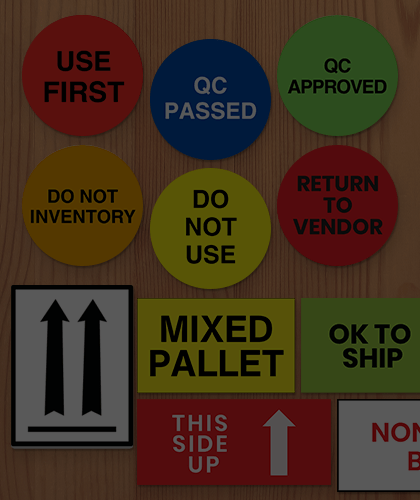
Quality control labels are stickers or tags placed on products, parts, or packaging to show that they have been inspected and approved. They act as a visible confirmation that a product has passed specific quality checks.
You’ve probably seen them before:
-
“QC Passed”
-
“Inspected”
-
“Approved”
-
“Rejected”
-
“Tested”
These labels are used across industries to track product status and ensure that only safe, compliant items move forward in the production and distribution process.
The Link Between Labels and Product Safety
At first glance, a small label might not seem directly connected to safety. But in reality, quality control labels are one of the simplest and most effective tools companies use to prevent unsafe products from reaching customers.
They create a clear system that helps businesses:
-
Identify inspected items
-
Separate approved and rejected products
-
Track quality issues
-
Maintain accountability
Without quality control labels, it would be much harder to manage product safety in large-scale manufacturing and distribution.
Preventing Defective Products from Reaching Customers
One of the biggest ways quality control labels improve safety is by stopping defective items before they leave the factory.
Imagine a production line where hundreds or thousands of products are being made every day. Mistakes can happen—parts can be faulty, packaging can be incorrect, or products can fail performance tests.
Quality control labels make it easy to quickly identify:
-
Which items passed inspection
-
Which items need rework
-
Which items must be discarded
By clearly marking each product’s status, companies reduce the risk of unsafe or defective goods slipping through the cracks.
Creating Accountability in the Inspection Process
Quality control labels don’t just show that an item was checked—they often show who checked it and when.
Many labels include details like:
-
Inspector initials
-
Inspection date
-
Batch numbers
-
Test results
This level of tracking creates accountability. If a problem is discovered later, businesses can trace it back to a specific batch or inspection stage.
That traceability is critical for maintaining high safety standards.
Supporting Safety in Regulated Industries
In industries like food, pharmaceuticals, medical devices, and automotive manufacturing, product safety is not just important—it’s legally required.
Quality control labels help companies stay compliant with strict regulations by providing clear documentation that:
-
Inspections were performed
-
Standards were met
-
Products were approved before release
In these industries, labels aren’t optional—they’re an essential part of safety protocols.
Reducing Human Error
Human error is one of the biggest risks in any production process. People can miscount, misplace items, or forget whether something was inspected.
Quality control labels act as a simple visual system that reduces confusion.
Instead of relying on memory or verbal communication, workers can instantly see:
-
What still needs inspection
-
What has already been approved
-
What must be removed from circulation
This clear labeling system helps prevent dangerous mix-ups.
Improving Safety During Shipping and Handling
Product safety doesn’t stop after manufacturing. Items still need to be stored, transported, and delivered safely.
Quality control labels help at every stage by:
-
Identifying fragile or sensitive products
-
Highlighting special handling requirements
-
Confirming that items are safe to ship
For example, a label might indicate that a product has passed electrical safety testing or that it has been properly sealed and inspected before packaging.
Helping with Product Recalls
No company wants to deal with a product recall—but when recalls do happen, quality control labels make the process faster and safer.
Because labels often include batch numbers and inspection details, companies can quickly identify:
-
Which products are affected
-
Where they were distributed
-
How to remove them from the market
This ability to track specific items protects consumers and limits potential harm.
Ensuring Consistent Product Quality
Consistency is a huge part of safety. If one product meets high standards but another doesn’t, customers are put at risk.
Quality control labels help businesses maintain consistency by ensuring that:
-
Every item goes through the same inspection process
-
Standards are applied equally
-
Only approved products move forward
When consistency improves, overall product safety improves too.
Building Trust with Customers
While customers may not always notice quality control labels directly, they benefit from them every day.
Safe, reliable products lead to:
-
Fewer accidents
-
Fewer complaints
-
Greater confidence in brands
When companies use quality control labels effectively, they show customers that safety and quality are top priorities.
That trust is priceless.
The Role of Labels in Modern Manufacturing
As manufacturing becomes more advanced, quality control labels are evolving too.
Many businesses now use smart labels with:
-
Barcodes
-
QR codes
-
Digital tracking systems
These modern labels connect physical products to digital records, making it even easier to monitor safety and quality in real time.
Simple Tools with a Big Impact
It’s easy to overlook something as small as a sticker. But in the world of product safety, quality control labels are powerful tools.
They help companies:
-
Catch problems early
-
Prevent unsafe products
-
Stay organized
-
Follow regulations
-
Protect customers
All of that comes from a simple, clearly placed label.
Why Every Business Needs Quality Control Labels
Whether a company makes electronics, toys, food, or machinery, quality control labels are essential for maintaining safety standards.
Even small businesses benefit from using them because they:
-
Reduce mistakes
-
Improve efficiency
-
Create professional processes
-
Protect brand reputation
No matter the industry, labels help turn good intentions into real, measurable safety practices.
Final Thoughts
Product safety doesn’t happen by accident. It’s the result of careful systems, detailed inspections, and clear communication. Quality control labels are a key part of that system.
By marking inspected products, tracking approvals, and preventing defects from reaching customers, these labels quietly protect people every single day.
So the next time you see a small “QC Passed” sticker on a product, remember—it represents an entire process designed to keep you safe.
Quality control labels may be simple, but their impact on product safety is enormous.
