

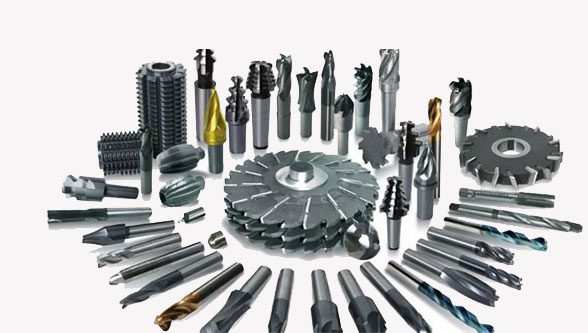
Machine tools play a crucial role in modern manufacturing, allowing industries to produce everything from precision components to complex machinery. As the manufacturing sector evolves, the role of machine tools suppliers is becoming more important than ever before. These suppliers are not just providing the equipment needed for daily operations—they are actively shaping the future of manufacturing through innovations, enhanced performance, and more sustainable practices. In this blog, we will explore how machine tool suppliers are driving the future of manufacturing.
1. Innovations in Automation and Smart Manufacturing
One of the most significant ways machine tool suppliers are shaping the future of manufacturing is through innovations in automation and smart technology. The integration of automation into manufacturing processes has already revolutionized industries like automotive, aerospace, and electronics. However, this is just the beginning.
Machine tool suppliers are developing advanced equipment that can operate autonomously, reduce human error, and increase productivity. CNC (Computer Numerical Control) machines, for example, allow manufacturers to automate processes like milling, turning, and drilling with high precision. With real-time data collection and analysis, these machines can detect potential issues before they become problems, allowing manufacturers to reduce downtime and optimize production efficiency.
Smart manufacturing also involves the use of the Internet of Things (IoT) and artificial intelligence (AI) to make machines smarter. For instance, IoT-enabled machines can communicate with each other and with central systems, creating a connected production environment. AI algorithms can predict machine failures, schedule maintenance, and even adjust machine settings automatically to optimize performance. These advancements not only streamline production but also improve the overall reliability of manufacturing operations.
2. Enhanced Precision and Quality Control
As industries demand higher precision and more complex components, machine tool suppliers are meeting these needs by developing equipment that offers exceptional accuracy. This has become particularly important in industries such as aerospace, medical devices, and automotive, where even the smallest margin of error can have significant consequences.
Machine tools suppliers are investing in advanced technologies like laser measurement systems, ultra-precise cutting tools, and vibration-damping mechanisms. These innovations help improve the precision of every part produced, ensuring that they meet exact specifications. Suppliers are also providing tools that allow for more intricate designs, enabling manufacturers to produce products that were previously impossible or too expensive to make.
Moreover, suppliers are focusing on quality control by incorporating real-time monitoring systems into their machines. These systems check each product for defects and ensure that it meets quality standards before it leaves the production line. This level of precision and quality assurance is essential in industries where safety and performance are non-negotiable.
3. Sustainability and Energy Efficiency
In recent years, sustainability has become a central focus in the manufacturing industry. With the growing demand for more eco-friendly production practices, machine tool suppliers are stepping up to the challenge by developing energy-efficient machines and promoting sustainable practices.
For example, many modern machine tools are designed to consume less power while still delivering high performance. This not only helps manufacturers reduce their energy bills but also supports global efforts to minimize carbon footprints. Some suppliers are even offering machines that use less coolant, generate less waste, and are easier to recycle at the end of their lifecycle.
Suppliers are also providing guidance and solutions to help manufacturers implement more sustainable production processes. This could include offering energy audits to identify areas of improvement, advising on the use of renewable energy sources, or providing tools designed to reduce material waste during manufacturing.
4. Customization and Flexibility
In today’s fast-paced market, manufacturers are required to adapt quickly to changing customer demands. Machine tool suppliers are helping manufacturers meet this challenge by offering more flexible and customizable solutions.
Many suppliers now offer modular machine tools that can be easily reconfigured to handle different tasks. This means manufacturers can quickly adapt their machines to produce new products without needing to purchase entirely new equipment. Suppliers are also offering a wider range of tooling options, so manufacturers can choose the right tools for specific applications.
In addition, machine tool suppliers are offering more customizable software solutions that allow manufacturers to adjust their operations to specific production needs. These solutions often include user-friendly interfaces and cloud-based platforms that enable seamless integration with other systems and equipment.
5. Support for Small and Medium-Sized Manufacturers
While large manufacturers have long had access to the best machine tools, small and medium-sized manufacturers are now benefiting from these advancements as well. Machine tool suppliers are increasingly providing affordable, high-quality machines and tools that cater to the needs of smaller businesses.
These suppliers are offering cost-effective equipment that is easy to operate and maintain, helping smaller manufacturers stay competitive without breaking the bank. Many suppliers also offer financing options, allowing businesses to invest in the tools they need without taking on significant upfront costs. In addition, suppliers are providing ongoing support, including training programs and technical assistance, to ensure that small and medium-sized manufacturers can maximize the potential of their equipment.
6. Global Reach and Local Support
With the rise of global supply chains and international markets, machine tool suppliers are becoming more accessible to manufacturers around the world. Leading suppliers now operate on a global scale, providing equipment to manufacturers in all regions and industries.
However, these suppliers are also focusing on offering local support to meet the unique needs of businesses in specific countries and regions. Local support teams help manufacturers with installation, maintenance, and troubleshooting, ensuring that machines remain operational and efficient. This combination of global reach and local expertise allows manufacturers to access the latest technologies while receiving personalized service.
Conclusion
Machine tool suppliers are more than just providers of equipment—they are key players in the evolution of manufacturing. By driving innovations in automation, precision, sustainability, and flexibility, these suppliers are enabling manufacturers to stay competitive in an increasingly complex and demanding marketplace. As we look to the future, machine tool suppliers will continue to shape the way products are made, helping industries around the world adapt to new challenges and opportunities. Whether you’re a small business owner or a large manufacturer, the right machine tools supplier can be your partner in success, offering the tools, expertise, and support needed to thrive in the ever-changing world of manufacturing.
