

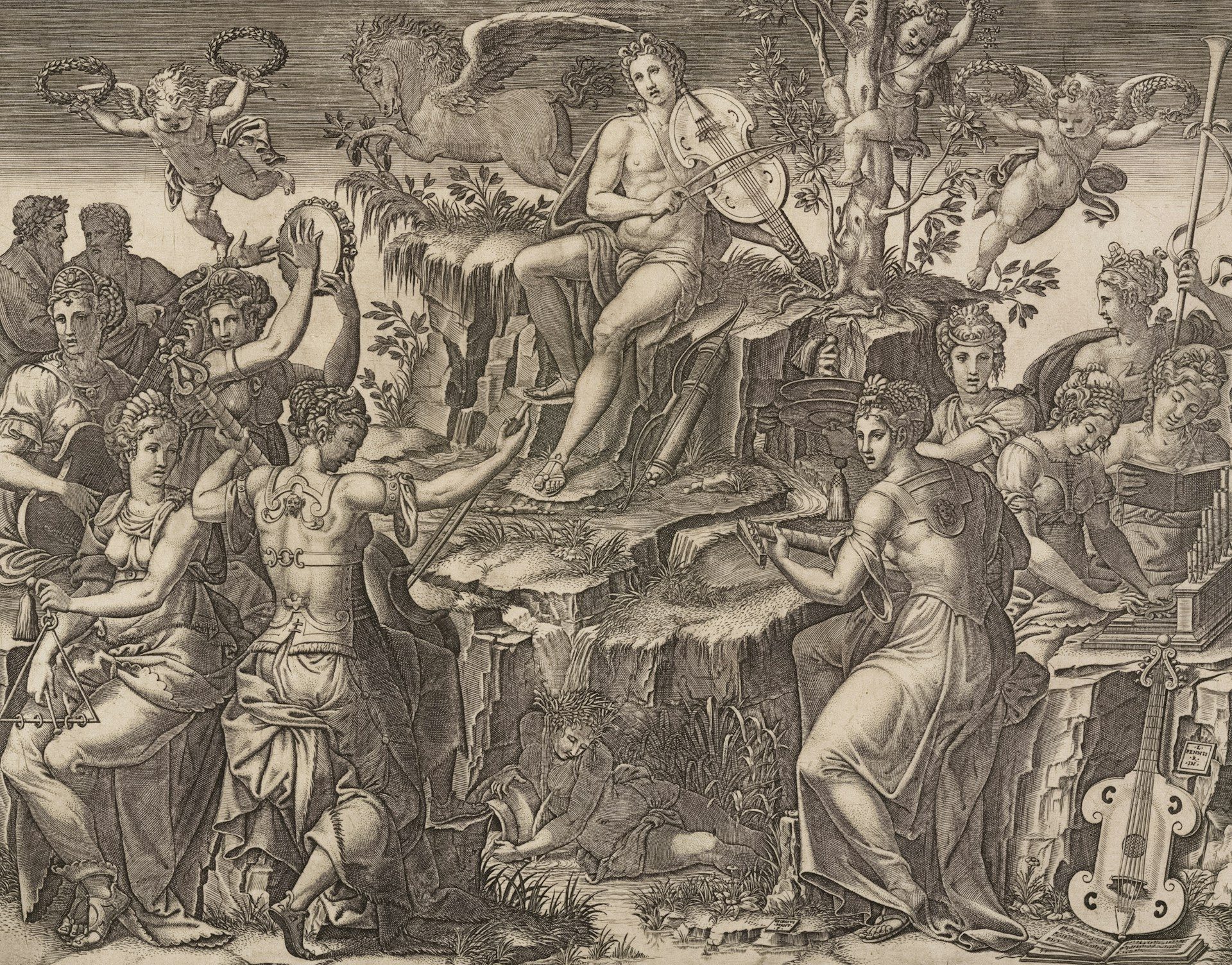
Renaissance engraving art is one of the most fascinating achievements of European visual culture, combining technical mastery with artistic imagination. It developed strongly during the fifteenth and sixteenth centuries, a period known as the Renaissance, when artists became deeply interested in classical learning, realism, and the spread of knowledge. Engraving, as a printmaking process, allowed images to be reproduced in large numbers, making art more accessible than ever before. Unlike paintings or sculptures, which were usually created as unique objects for wealthy patrons or churches, engravings could travel widely, reaching scholars, merchants, and ordinary people. This ability to multiply images made engraving a revolutionary medium that shaped Renaissance art, education, religion, and communication.
The process of Renaissance engraving art began with the preparation of a metal plate, most commonly copper. Copper was preferred because it was soft enough to carve into with precision, yet durable enough to withstand repeated printing. The engraver would first polish the plate until it was smooth and reflective. This step was crucial because any scratches or imperfections would appear in the final print. The plate then became the surface on which the artist would create the design. Engraving required extraordinary patience and skill, as the artist worked directly into metal, often without the possibility of correction.
Once the plate was prepared, the artist would plan the composition. Renaissance engravings art often depicted religious scenes, mythological stories, portraits, landscapes, or allegorical subjects inspired by classical antiquity. Artists sometimes created preliminary drawings on paper before transferring the design to the plate. The transfer could be done by tracing or by rubbing the back of a drawing with charcoal so the outline could be lightly marked onto the metal. This step ensured that proportions and details were accurate. Because Renaissance artists valued realism and harmony, careful planning was essential.
The engraving itself was done using a tool called a burin, a sharp instrument with a wooden handle that allowed the engraver to cut grooves into the copper plate. The artist pushed the burin across the metal surface, carving lines of varying depth. Deeper grooves held more ink and produced darker lines, while shallow cuts created lighter marks. By controlling the pressure and angle of the tool, engravers could achieve a wide range of tones and textures. This method required steady hands and intense concentration, as even a slight slip could ruin the work.
Renaissance engravers developed complex techniques to represent shading, volume, and perspective. Since engraving relied entirely on lines rather than color, artists used cross-hatching, parallel lines, and stippling to create the illusion of light and shadow. Cross-hatching involved layering sets of lines at different angles to build darker areas, while finer lines were used for highlights. Through these methods, engravings could appear remarkably three-dimensional. This was especially important during the Renaissance, when artists were deeply concerned with realism, anatomy, and the accurate depiction of space.
After the engraving was completed, the plate was inked. Ink was spread across the surface of the copper plate, filling the carved grooves. The engraver then wiped the plate carefully with cloth or leather, removing excess ink from the flat surface while leaving ink trapped inside the engraved lines. This stage required great care, as too much wiping could remove ink from the grooves, while too little could smudge the print. The balance between cleanliness and richness of tone was part of the printer’s expertise.
The next step was printing. The inked plate was placed on the bed of a printing press, and a damp sheet of paper was laid over it. Damp paper was used because it was softer and could press into the grooves more effectively. The plate and paper were then run through a rolling press, applying strong pressure. This forced the paper into the engraved lines, picking up the ink. When the paper was lifted, the image appeared in reverse, creating the final print. Each print was an original impression from the plate, though multiple copies could be produced.
One of the remarkable features of Renaissance engraving was its role in spreading artistic styles across Europe. Before printmaking, artists often learned only through travel or direct apprenticeship. Engravings changed this by allowing images of famous works and new artistic ideas to circulate widely. For example, engravings after paintings by Raphael or Michelangelo helped artists in Northern Europe study Italian Renaissance ideals of anatomy, perspective, and composition. In this way, engraving became a powerful educational tool, connecting distant artistic communities.
Engraving also played an important role in the rise of individual artistic fame. Artists such as Albrecht Dürer became internationally celebrated largely through their engravings and woodcuts. Dürer’s prints were admired for their technical brilliance and intellectual depth, and they reached audiences far beyond Germany. Engraving allowed artists to build reputations across borders, making it one of the first forms of mass artistic communication. The Renaissance idea of the artist as a creative genius was strengthened by this ability to distribute work widely.
The importance of Renaissance engraving art extends beyond art into the realms of religion and politics. During the Reformation, prints were used to spread religious ideas quickly and effectively. Engravings could illustrate biblical stories, depict saints, or convey theological arguments. Political leaders also used engravings for propaganda, celebrating victories, promoting authority, or shaping public opinion. In a time when literacy was limited, images were a powerful means of communication, and engraving served as a visual language understood by many.
Another major significance of engraving was its contribution to scientific and intellectual progress. Renaissance Europe was a period of exploration, discovery, and learning, and engravings were essential for illustrating books on anatomy, astronomy, geography, and botany. Detailed engraved diagrams helped scholars share knowledge accurately. For example, anatomical engravings provided doctors and students with precise images of the human body, supporting advances in medicine. Maps and travel engravings documented new lands and encouraged curiosity about the wider world.
Engraving also reflected the Renaissance fascination with classical antiquity. Many engravings depicted ancient myths, heroic figures, and architectural ruins. Artists studied Roman sculptures and Greek ideals, translating them into prints that could be collected and admired. These engravings contributed to the revival of classical culture, one of the defining characteristics of the Renaissance. Collectors valued prints not only as artworks but also as objects of learning and refinement.
Economically, engraving transformed the art market. Paintings were expensive and time-consuming, but prints were more affordable. Middle-class buyers could purchase engravings for personal enjoyment, decoration, or education. This created a broader market for art and encouraged the growth of collectors. Print shops became centers of artistic exchange, where images could be bought, sold, and traded. Engraving thus played a role in the commercialization of art, making it part of everyday life rather than only elite culture.
The craftsmanship of Renaissance engraving art also influenced later artistic developments. The techniques of line, shading, and composition developed by Renaissance engravers became foundational for later printmaking traditions. Engraving remained important for centuries, influencing artists in the Baroque period and beyond. Even in modern times, engraving is admired for its discipline, elegance, and ability to convey depth through simple lines.
Culturally, Renaissance engraving represents the Renaissance spirit itself: a blend of artistry, technology, and human curiosity. It required both creative imagination and scientific precision, reflecting the era’s belief that art and knowledge were interconnected. Engravings captured the ideals of beauty, proportion, and intellectual inquiry that defined Renaissance thought. They also demonstrate how art adapted to new technologies, using the printing press not only for texts but also for images.
In conclusion, Renaissance engraving art was made through a meticulous process of carving designs into metal plates, inking them, and printing them onto paper. It demanded exceptional technical skill and artistic vision. Its importance lies in its transformative impact on Renaissance society: spreading artistic styles, advancing education, supporting religion and politics, promoting scientific knowledge, and making art accessible to wider audiences. Renaissance engraving was far more than a decorative craft; it was a powerful cultural force that shaped the development of European art and communication. Even today, the engravings of the Renaissance remain admired for their beauty, complexity, and historical significance, standing as lasting monuments to human creativity and innovation.
