

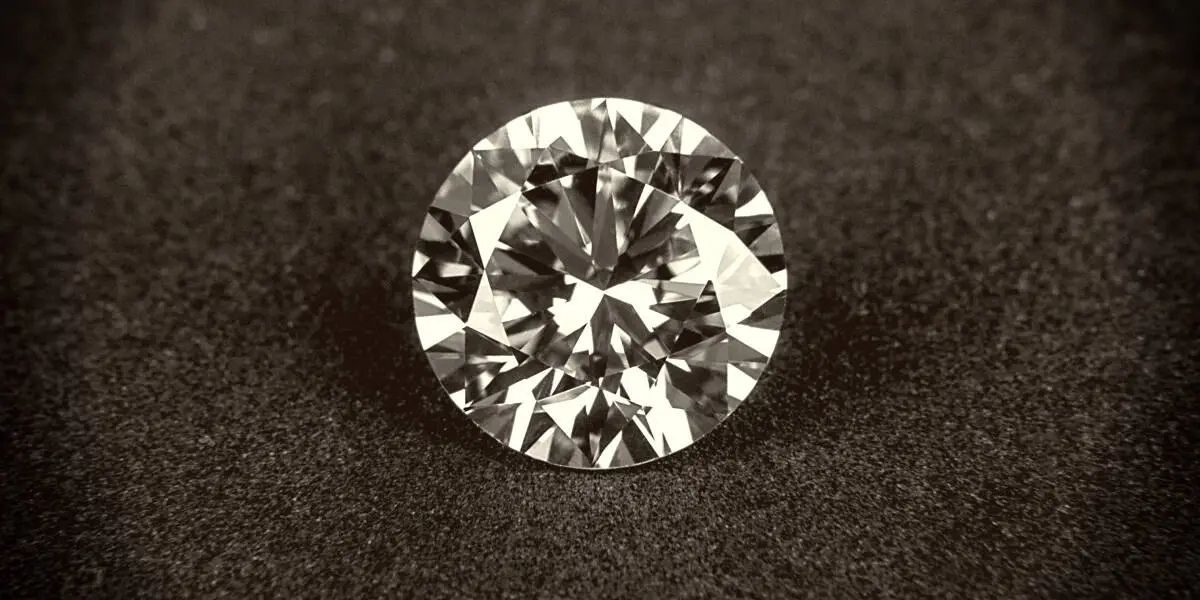
You’re not alone if you’ve ever entered a jewelry store in Islamabad, Karachi, or Lahore and wondered why the diamond ring you liked last month is now more expensive. Diamond prices are not set in a vacuum. Every shining stone in a display case is the result of a complex web of international trade decisions, currency fluctuations, and world events that directly affect your price. You may save money and make better purchasing selections if you understand how the global diamond market operates. Together, let’s explore the entire image.
The Global Diamond Pipeline Starts Far From Pakistan
Before diamonds are purchased by Pakistani consumers, they must travel a considerable distance. Russia, Botswana, Canada, and Australia are among the nations that mine the majority of the world’s rough diamonds. After that, they are transported to important centers for cutting and polishing; a significant amount of the world’s diamond cutting is done in India. Diamonds are shipped to trading hubs in Belgium, the US, Israel, and Dubai after being polished. A diamond has gone through several hands on several continents by the time it gets to a jeweler in Pakistan.
Due to the worldwide nature of the supply chain, any disruption at any stage—such as a delay in mining, trade restrictions, or even political unrest in a producing nation—will eventually affect the diamond rate in Pakistan. Local conditions are not the only factors that impact buyers here. Whether they are aware of it or not, they are part of a global system.
How Global Demand Makes the Standard
The demand from major consuming nations is a crucial factor in determining diamond prices globally. China, India, Japan, and the Gulf states are the next biggest consumers of diamonds after the United States. Global diamond prices typically increase when the American engagement season kicks off or when Chinese consumers are spending a lot of money on luxury products. These markets are not the only ones where this increase occurs. It flows downstream and has an equal impact on the diamond rate in Pakistan as it does elsewhere.
The converse occurs when global demand declines, such as during financial crises or slowdowns in the world economy. Prices start to decline. Sometimes, Pakistani consumers profit from these drops without fully understanding why the prices are reduced. In actuality, your neighborhood jeweler operates thousands of kilometers away inside a price framework established by market forces.
The Role of the Pakistani Rupee
Currency exchange is one of the most straightforward ways that foreign markets have an impact on the diamond rate in Pakistan. US dollars are used to determine the price of diamonds worldwide. When Pakistan buys diamonds or diamond jewelry, the price is first determined in dollars and then, using the current exchange rate, converted into Pakistani rupees.
This produces an extremely straightforward but potent dynamic. The same international diamond price naturally increases in local currency as the Pakistani rupee depreciates versus the dollar. A declining rupee means Pakistanis pay more, even if the price of diamonds remains unchanged globally. Because of this, you can see an increase in diamond prices during times of rupee devaluation, even in the absence of any information about changes in the supply or demand for diamonds worldwide.
This currency factor has significantly contributed to raising the diamond rate in Pakistan over the past several years, as the rupee has seen a severe devaluation. Any genuine Pakistani diamond buyer must be aware of this fact.
Government Policies and Import Duties
There isn’t much domestic diamond mining in Pakistan. Nearly all of the diamonds that are offered here are imported. This implies that government import regulations directly influence consumer prices. In addition to the worldwide pricing, there are additional costs associated with customs tariffs, regulatory fees, and documentation requirements.
The final consumer bears the price when the government raises import taxes on precious stones and diamonds. As a result, the diamond rate in Pakistan represents both the local tax layer on top of the worldwide price, plus currency translation. Local prices may occasionally rise significantly above what would be predicted by simply international calculations due to legislative changes.
Pakistan Is Also Affected by Supply Chain Disruptions
Global diamond supply chains have been under intense strain in recent years. Given that Russia is one of the world’s leading producers of diamonds, sanctions on Russian diamond exports after geopolitical crises significantly increased supply instability. Global supply becomes more constrained, and prices increase when a key provider is subject to constraints.
Pakistan is particularly affected by these constraints because it is an importer. Due to Pakistan’s complete reliance on the foreign market for diamond supplies, the diamond rate in Pakistan fluctuated in response to these changes in the worldwide supply chain. Events significantly influence the price a couple spends for a diamond ring in Lahore in central Africa or Europe.
The Four Cs Still Matter, But So Does the Market
Cut, clarity, color, and carat weight are the four Cs that most diamond researchers learn about. These criteria determine each stone’s base price and quality. Even a flawlessly graded diamond with outstanding ratings in all four Cs, however, can nevertheless experience price fluctuations depending on the state of the world market at the time.
The price of a one-carat, perfect, colorless diamond certified by a reputable international gemological organization may be at one level today and significantly higher or lower in six months due to changes in the global market and currency. For this reason, the diamond rate in Pakistan is never set in stone. It is constantly a shifting target connected to worldwide forces.
What This Means When You Are Buying
Understanding how foreign markets relate to local costs gives you a significant advantage if you are considering purchasing a diamond for a wedding, anniversary, or investment. Here are some things to consider.
Keep an eye on the currency rate between dollars and rupees. In general, purchasing diamonds in Pakistan is best done while the rupee is comparatively stronger. You can significantly alter the amount you pay by scheduling your purchase to coincide with currency fluctuations. Keep an eye on international news on the supply of diamonds. Within weeks or months, the diamond rate in Pakistan will probably be impacted by mining setbacks or new trade regulations that affect major producing nations.
Find out if your jeweler is using certified diamonds. Certified stones carry documentation that explains exactly what you are paying for from globally renowned labs. Uncertified stones are more difficult to appraise and could lose value over time.
The Greater Picture for Pakistani Purchasers
Local jewelers alone do not determine the diamond rate in Pakistan. African miners, Indian cutters, Belgian traders, American consumers, global currency markets, and Pakistani authorities’ import regulations all influence it.
Purchasing a diamond is not difficult if you are aware of these relationships. In fact, it makes things simpler. You can react more composedly and make wiser choices when you are aware that a price increase is caused by global supply constraints or the weakening of the rupee, rather than an opportunistic local jeweler.
