

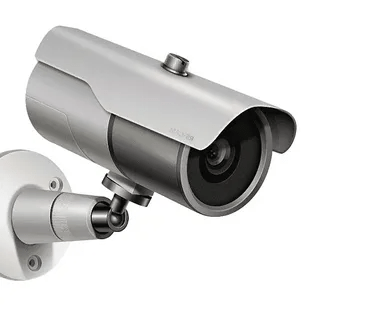
Perimeter security is a critical aspect of protecting properties, facilities, and sensitive areas from unauthorized access or potential threats. While traditional surveillance cameras play an essential role in this process, partnering with the Best Security Company ensures access to cutting-edge solutions like thermal cameras. These revolutionary devices offer unparalleled capabilities for perimeter protection. By detecting heat signatures rather than relying on visible light, thermal cameras provide unique advantages that significantly enhance security systems.
Understanding Thermal Cameras and Their Functionality
Thermal cameras operate on the principle of infrared radiation detection. Every object emits some level of infrared radiation or heat energy, which thermal cameras capture and translate into images. Unlike standard cameras, which depend on visible light to produce an image, thermal cameras can function effectively in complete darkness, adverse weather, or obscured environments.
This capability makes them particularly suitable for perimeter security, as they can monitor areas regardless of lighting conditions. The technology detects even the slightest temperature differences, making it possible to identify people, animals, or vehicles attempting to breach a perimeter.
Advantages of Thermal Cameras for Perimeter Security
The key benefit of thermal cameras lies in their ability to detect heat signatures, offering a significant advantage over conventional cameras in various scenarios. This capability ensures reliable performance in areas where traditional surveillance might fail.
Thermal cameras excel in detecting intrusions over long distances. For expansive perimeters, such as those surrounding industrial plants, military bases, or airports, these cameras can monitor effectively without requiring a dense network of devices. Additionally, thermal imaging reduces false alarms by distinguishing between actual threats and harmless movements, such as swaying trees or shadows.
Effective Detection in Challenging Environments
Perimeter security often involves monitoring areas with challenging environmental conditions. Thermal cameras are particularly adept at maintaining performance in these scenarios. For instance, they are not hindered by low visibility due to fog, smoke, or rain, which might obscure the view of conventional cameras.
These cameras also excel in areas with significant foliage or other natural obstructions. While standard cameras might struggle to capture clear footage in such conditions, thermal imaging penetrates these barriers by detecting heat differences. This ensures comprehensive coverage and reduces the likelihood of blind spots in surveillance systems.
Enhancing Nighttime Surveillance
Nighttime poses unique challenges for perimeter security. Darkness significantly reduces the effectiveness of traditional cameras, even those equipped with night vision capabilities. Thermal cameras, however, are not dependent on ambient light, making them the ideal solution for nighttime surveillance.
By detecting heat signatures, thermal cameras create detailed images of individuals or objects attempting to breach a perimeter under the cover of darkness. This makes them invaluable for applications such as monitoring borders, securing high-value facilities, or protecting remote properties.
Integration with Advanced Analytics
Thermal cameras are often integrated with advanced analytics and software to provide a more sophisticated security solution. For instance, they can be paired with motion detection algorithms to identify unusual activities along a perimeter. These analytics further enhance the efficiency of thermal cameras by automating threat detection and reducing the need for constant human monitoring.
In addition, thermal cameras can be part of a larger security ecosystem, working in tandem with other technologies such as access control systems, alarms, and video management platforms. This integration ensures a comprehensive approach to perimeter security, where each component complements the others for maximum protection.
Applications of Thermal Cameras in Perimeter Security
Thermal CCTV cameras are used in a wide range of applications, particularly where perimeter security is critical. Industrial facilities with expansive boundaries benefit from their long-range detection capabilities. Airports and seaports, which require continuous monitoring to ensure safety, rely on thermal imaging to identify potential threats.
Border security is another prominent application. Thermal cameras are deployed to detect and monitor unauthorized crossings, even in the most remote or challenging terrains. They are also used in critical infrastructure protection, such as power plants or water treatment facilities, where maintaining a secure perimeter is paramount.
Cost Considerations and Long-Term Benefits
One of the common concerns regarding thermal cameras is their initial cost, which tends to be higher than that of conventional cameras. However, the long-term benefits often outweigh this initial investment. Thermal cameras require fewer installations to cover large perimeters, reducing infrastructure and maintenance costs.
Additionally, their ability to minimize false alarms saves resources by avoiding unnecessary responses from security personnel. The durability and reliability of thermal cameras in harsh conditions also contribute to their cost-effectiveness over time.
Future of Thermal Cameras in Perimeter Security
The future of thermal cameras in perimeter security is promising, with ongoing advancements in technology driving their capabilities even further. Innovations such as higher-resolution imaging, enhanced analytics, and artificial intelligence are making thermal cameras more efficient and accessible.
As security needs evolve, thermal cameras will continue to play a vital role in providing reliable and comprehensive protection. Their ability to adapt to various environments and integrate with modern security systems ensures their relevance in addressing emerging threats.
Conclusion
Thermal cameras represent a significant advancement in perimeter security, offering unparalleled capabilities for detecting and monitoring potential threats. Their ability to operate in challenging conditions, distinguish heat signatures, and integrate with advanced analytics makes them a crucial component of modern security systems.
For properties and facilities requiring reliable and robust perimeter protection, thermal cameras provide a solution that ensures safety and peace of mind. As technology continues to advance, their role in enhancing security will only grow, solidifying their position as a cornerstone of effective perimeter surveillance.
