

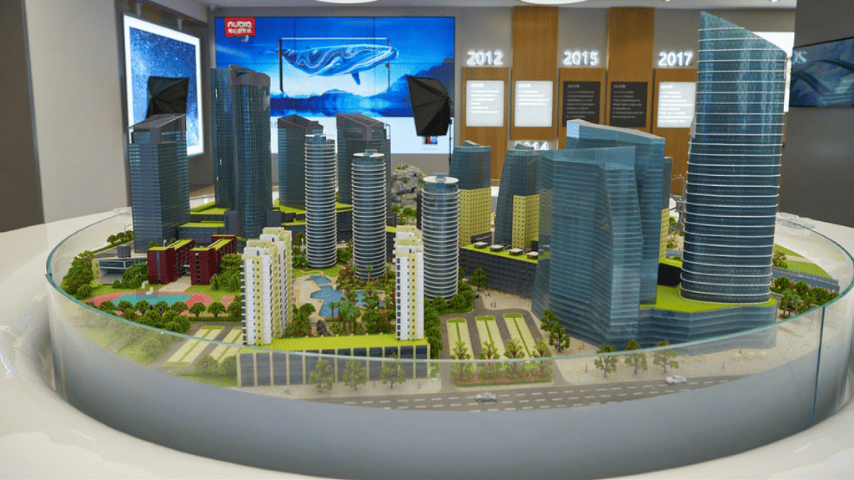
City skylines are visual identities shaped over decades. In high-density cities, even a single new tower can alter the balance of scale, rhythm, and hierarchy. Evaluating this impact is not simple when relying only on drawings or digital views.
High-rise models provide a tangible way to assess how a proposed building contributes to or disrupts the skyline. By viewing the structure in relation to its surroundings, planners and designers can make informed judgments about visual harmony.
Providing a Realistic Sense of Height and Mass
Height is one of the most influential factors in skyline evaluation. Numerical data and elevations do not fully convey how tall a building feels when placed among others. Physical models allow viewers to compare relative heights instantly.
Architectural scale models make it clear whether a tower dominates its neighbors, aligns with an existing height gradient, or introduces an intentional landmark presence. This realistic perception supports balanced skyline decisions.
Visualizing Building Clusters and Urban Rhythm
Skylines are rarely defined by individual towers alone. They are shaped by clusters of buildings that create rhythm and flow. High-rise models help visualize how a new structure fits within these clusters. Spacing, alignment, and variation in height become easier to read. This clarity helps planners evaluate whether the skyline appears cohesive or fragmented when the new building is introduced.
Assessing Landmark Potential and Visual Hierarchy
Some high-rise projects are designed to become landmarks, while others are meant to support an existing visual hierarchy. Physical models allow stakeholders to assess this intention clearly. By comparing scale, form, and placement, it becomes easier to see whether a building naturally stands out or competes unnecessarily with established icons. Architectural scale models Dubai help confirm whether landmark ambitions are justified within the broader skyline context.
Evaluating View Corridors and Sightlines
View corridors toward landmarks, waterfronts, or natural features are often protected in urban planning. High-rise models support skyline impact evaluation by showing how a proposed tower affects these sightlines. Observers can study views from multiple angles and distances. This makes it easier to identify potential obstructions early and adjust designs before approval stages.
Understanding Form and Silhouette Contribution
A skyline is defined not only by height but also by silhouette. Tapered forms, stepped profiles, and sculpted tops all influence how a building reads against the sky. Physical models reveal how these forms interact visually when grouped with other towers. Architectural scale models allow designers to evaluate whether the silhouette adds elegance or visual noise to the skyline.
Supporting Authority and Planning Reviews
Urban authorities require clear evidence when assessing skyline impact. Physical models offer a shared reference during review sessions. Decision-makers can gather around a model and discuss concerns collaboratively. This approach reduces ambiguity and speeds up consensus. Architectural scale models help authorities understand long-term skyline implications rather than judging buildings in isolation.
Comparing Design Options Effectively
High-rise projects often go through multiple design iterations. Physical models make it easier to compare options side by side. Differences in height, massing, and placement are immediately visible. This comparison supports informed decisions about which option best respects the skyline. It also helps justify design choices to stakeholders and the public.
Demonstrating Relationship With Natural and Built Context
Skylines are influenced by more than buildings alone. Coastlines, deserts, and existing landmarks all play a role. High-rise models that include contextual elements show how a new tower interacts with both natural and built surroundings. Architectural scale models make it clear whether the building complements the broader environment or feels disconnected from it.
Enhancing Public and Stakeholder Communication
Skyline changes often attract public attention and scrutiny. Physical models are effective tools for public presentations and exhibitions. They help non-technical audiences understand proposed changes without relying on complex explanations. This transparency builds trust and reduces resistance by showing how skyline character is being respected.
Reducing Risk of Visual Overdevelopment
Unchecked vertical growth can lead to overcrowded skylines. High-rise models help identify when density becomes visually overwhelming. By studying spacing and layering, planners can ensure that growth remains controlled and intentional. Architectural scale models support responsible skyline development by making potential issues visible early.
Supporting Long-Term Urban Vision
Skyline evaluation is not only about a single project but about long-term city vision. Physical models allow planners to consider future phases and neighboring developments. This broader perspective helps ensure that today’s decisions align with tomorrow’s skyline goals. Architectural scale models become strategic tools rather than simple presentation aids.
Conclusion
High-rise models play a crucial role in skyline impact evaluation by translating abstract data into clear visual understanding. They support height comparison, form assessment, and contextual integration. By enabling collaborative review and informed decision-making, they help cities grow vertically while preserving visual identity and balance.
