

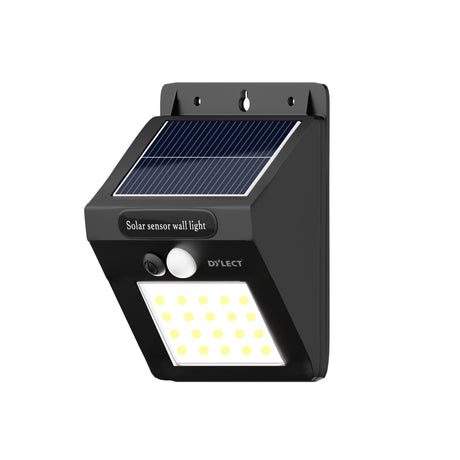
Outdoor solar lights have become a popular choice for homeowners looking to enhance security, save energy, and illuminate outdoor spaces efficiently. One of their most valuable features is the built-in motion sensor, which automatically turns the light on when movement is detected. But how accurate are these motion sensors, and can you rely on them for consistent performance?
In this guide, we’ll explore how motion sensors in solar lights work, what affects their accuracy, and how you can get the best results from them.
How Motion Sensors in Solar Lights Work
Most outdoor solar lights use Passive Infrared (PIR) sensors to detect motion. These sensors identify changes in heat within their detection range. When a warm object—like a person, animal, or vehicle—moves across the sensor’s field, the light is triggered.
Key components include:
- Solar panel (charges during the day)
- Battery (stores energy)
- LED light (provides illumination)
- Motion sensor (detects movement)
The combination of these components allows solar lights to operate automatically without wiring or electricity.
How Accurate Are Motion Sensors?
Motion sensors in solar lights are generally quite accurate, especially in modern models. However, their effectiveness depends on several factors such as placement, sensitivity, and environmental conditions.
Typical Accuracy Range
Most high-quality solar lights can detect motion within:
- 10 to 30 feet distance
- 120° to 180° detection angle
Within this range, they can reliably detect human movement. However, accuracy may vary depending on the situation.
Factors That Affect Motion Sensor Accuracy
While solar lights are designed to be reliable, several factors can influence how accurately they detect motion.
1. Placement and Height
Where you install your solar lights plays a major role in their performance.
Best practices:
- Mount lights 6–10 feet above the ground
- Avoid placing them too high, as it reduces sensitivity
- Position them where movement is most likely to occur
Incorrect placement can lead to missed detections or unnecessary triggers.
2. Detection Angle and Range
Different solar lights come with varying detection angles and ranges.
- Wider angles cover more area but may reduce precision
- Narrow angles provide more focused detection
Choosing the right type depends on your space, such as a driveway, garden, or entrance.
3. Environmental Conditions
Outdoor environments can impact the accuracy of motion sensors.
Common factors:
- Rain or fog may reduce detection efficiency
- Extreme temperatures can affect sensor performance
- Wind-blown objects like leaves or branches can trigger false alarms
Despite these challenges, most modern solar lights are designed to handle typical outdoor conditions.
4. Sensitivity Settings
Many solar lights allow you to adjust sensitivity levels.
- High sensitivity: Detects even small movements but may cause false triggers
- Low sensitivity: Reduces false alarms but may miss subtle motion
Finding the right balance is key to optimal performance.
5. Quality of the Solar Light
Not all solar lights are created equal. Higher-quality models typically offer better motion detection accuracy.
Premium features may include:
- Advanced PIR sensors
- Adjustable settings
- Better build quality
- Improved battery performance
Investing in good-quality solar lights ensures more reliable results.
Common Issues with Motion Sensors
Even though solar lights are generally accurate, you may encounter some common issues.
False Triggers
Lights may turn on due to:
- Small animals
- Moving shadows
- Passing vehicles
This is more common in highly sensitive settings.
Missed Detections
Sometimes the sensor may fail to detect motion due to:
- Poor placement
- Obstructions
- Low battery power
Regular maintenance and proper installation can minimize these issues.
Delayed Response
In some cases, there may be a slight delay between motion detection and light activation. This is usually minimal but can vary by product.
Tips to Improve Motion Sensor Accuracy
To get the best performance from your solar lights, follow these practical tips:
Install in the Right Location
Place your solar lights where they have a clear line of sight and minimal obstructions.
Avoid Direct Heat Sources
Keep sensors away from heat sources like air vents or reflective surfaces that may interfere with detection.
Adjust Sensitivity Settings
Experiment with different sensitivity levels to find what works best for your environment.
Keep Sensors Clean
Dust, dirt, or debris can block the sensor and reduce accuracy. Clean them regularly for optimal performance.
Ensure Proper Charging
Make sure the solar panel receives enough sunlight during the day. A fully charged battery ensures the sensor and light function effectively at night.
Are Motion Sensors in Solar Lights Reliable for Security?
Solar lights with motion sensors can enhance home security by:
- Deterring intruders with sudden illumination
- Improving visibility around entry points
- Alerting you to movement outside
However, they should not be your only security measure. Combining them with cameras or alarm systems provides better protection.
Advantages of Motion Sensor Solar Lights
Using solar lights with motion sensors offers several benefits:
- Energy efficiency: Lights activate only when needed
- Cost savings: No electricity bills
- Convenience: Automatic operation
- Eco-friendly: Powered by renewable energy
These advantages make them a practical choice for outdoor lighting.
Final Thoughts
So, how accurate are motion sensors in outdoor solar lights? In most cases, they are highly reliable and effective when installed and used correctly. While factors like placement, weather, and sensitivity settings can influence performance, modern solar lights are designed to deliver consistent and dependable motion detection.
By choosing high-quality solar lights, positioning them properly, and maintaining them regularly, you can ensure accurate motion sensing and long-lasting performance. Whether for security, convenience, or energy savings, solar lights with motion sensors are a smart addition to any outdoor space.
