

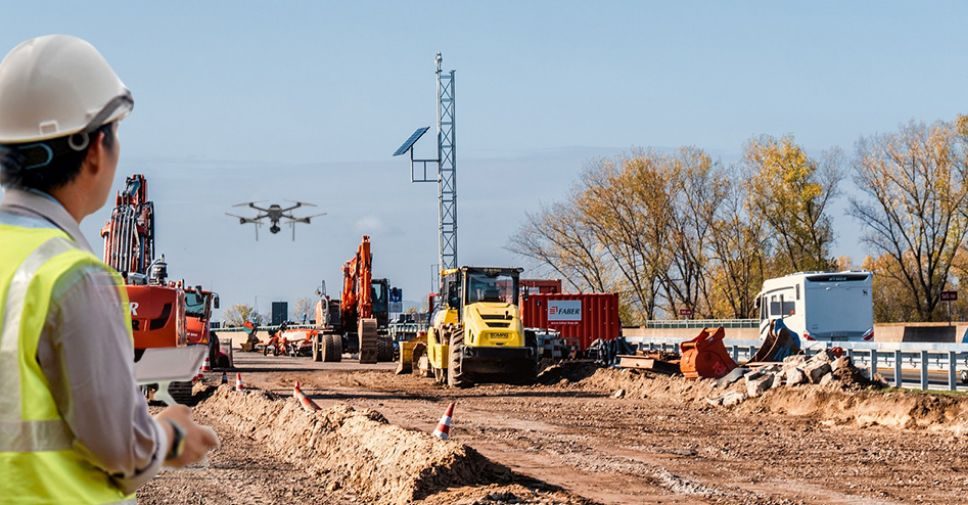
The construction industry has traditionally relied on manual labour, physical inspections, and time-consuming surveying methods to manage projects. However, with rapid advancements in technology, the industry is experiencing a major transformation. One of the most impactful innovations in recent years is the use of a construction site drone. These advanced aerial tools are helping construction companies improve efficiency, enhance safety, and gain better control over project management.
Modern infrastructure projects are becoming larger and more complex. Managing large sites, tracking progress, and ensuring accuracy can be challenging using traditional methods alone. This is why many companies are now adopting drones for construction management to streamline operations and improve decision-making processes. The ability of drones to capture high-quality aerial data is changing the way construction projects are planned, monitored, and executed.
Improving Site Surveying and Mapping
Before construction begins, detailed surveys and mapping are essential for understanding the terrain and planning the project layout. Traditionally, land surveying required large teams, heavy equipment, and significant time to complete. With the use of a construction site drone, this process has become faster and more accurate.
Drones can capture high-resolution aerial images and generate precise topographic maps within a short period of time. These images can then be processed using specialised software to create 3D models of the site. These models allow engineers and architects to analyse the terrain, measure distances, and plan construction activities more efficiently.
By using drones for construction management, companies can reduce surveying time from weeks to just a few hours. This not only speeds up the planning process but also helps reduce overall project costs.

Enhancing Project Monitoring and Progress Tracking
Keeping track of construction progress is essential to ensure that projects remain on schedule and within budget. Traditionally, supervisors had to physically inspect different areas of the site, which could be time-consuming and sometimes unsafe.
A construction site drone provides a much more efficient solution. Drones can fly over the site and capture real-time images and videos of ongoing work. These visuals allow project managers to monitor construction activities from multiple angles without being physically present at every location.
Using drones for construction management, companies can compare aerial images captured at different stages of the project. This allows them to identify delays, track progress accurately, and ensure that work is being carried out according to the project plan.
This level of monitoring helps construction managers make informed decisions quickly and avoid costly delays.
Improving Safety on Construction Sites
Safety is one of the most important concerns in the construction industry. Large construction sites often contain hazardous areas such as tall structures, deep excavations, and unstable surfaces. Conducting inspections in these areas can expose workers to potential risks.
A construction site drone allows companies to inspect difficult or dangerous locations without putting workers in harm’s way. Drones can easily reach elevated structures, rooftops, or confined areas that would otherwise require specialised equipment and safety measures.
With the support of drones for construction management, site supervisors can identify safety hazards early and take preventive measures before accidents occur. This proactive approach significantly improves workplace safety and reduces the likelihood of injuries.
Additionally, regular drone inspections help ensure that safety standards and regulations are being followed throughout the project.
Better Communication and Collaboration
Construction projects often involve multiple teams, including engineers, architects, contractors, and project managers. Effective communication among these stakeholders is essential for successful project completion.
A construction site drone plays an important role in improving communication by providing clear visual data. The aerial images and videos captured by drones can be shared with all project stakeholders. This ensures that everyone has a clear understanding of the current site conditions and project progress.
When companies use drones for construction management, project updates can be presented using visual reports and 3D models. These visual representations make it easier for teams to discuss challenges, plan next steps, and coordinate their efforts effectively.
Improved communication helps minimise misunderstandings and ensures that all teams work toward the same project goals.
Reducing Costs and Increasing Efficiency
One of the biggest advantages of using a construction site drone is the ability to reduce operational costs while improving efficiency. Traditional surveying, inspections, and monitoring processes often require large teams and expensive equipment.
Drones can perform many of these tasks quickly and with fewer resources. This reduces labour costs and allows construction companies to allocate their workforce to more critical activities.
By adopting drones for construction management, companies can also detect issues such as structural inconsistencies or design errors early in the project. Identifying problems at an early stage prevents expensive repairs and delays later in the construction process.
As a result, drones contribute to more efficient project management and better financial control.
Supporting Data-Driven Decision Making
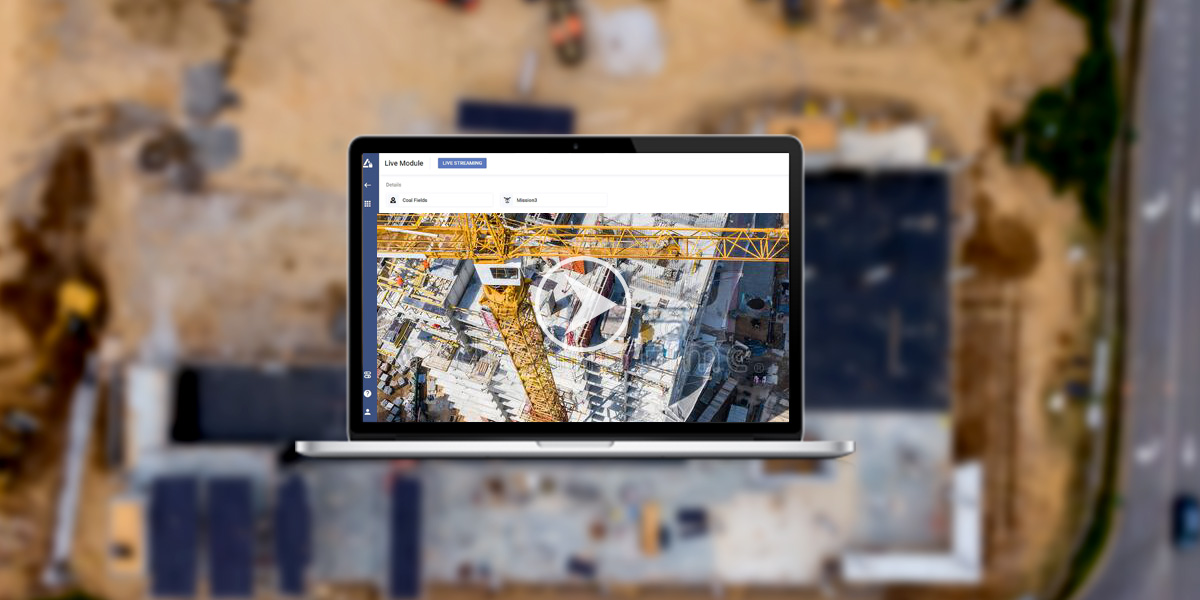
Modern construction projects rely heavily on accurate data to guide decision-making. A construction site drone collects valuable data through aerial imaging, mapping, and site monitoring. This data can be analysed to gain insights into site conditions, construction progress, and potential challenges.
When integrated with advanced software platforms, the information gathered through drones for construction management can be used to create detailed analytics and reports. These insights help project managers evaluate performance, identify inefficiencies, and implement improvements.
Data-driven decision-making ensures that projects are completed more efficiently and with greater accuracy.
The Future of Drone Technology in Construction
The use of drone technology in construction is expected to grow significantly in the coming years. As drone systems become more advanced, they will offer additional features such as artificial intelligence, automated inspections, and enhanced data analysis capabilities.
Future construction site drone solutions may include autonomous flight planning, real-time data processing, and seamless integration with building information modelling (BIM) systems. These advancements will further strengthen the role of drones for construction management in improving productivity and project performance.
As construction companies continue to adopt innovative technologies, drones will play an increasingly important role in shaping the future of the industry.
Conclusion
Technology is transforming the construction industry, and drones are at the forefront of this change. From faster site surveys and improved monitoring to enhanced safety and cost savings, the benefits of using a construction site drone are significant.
By integrating drones for construction management, construction companies can gain better control over their projects, improve communication among teams, and make more informed decisions. These advantages ultimately lead to higher efficiency, reduced risks, and successful project completion.
Organisations looking to adopt advanced drone solutions for construction projects can benefit from the expertise and innovative technologies offered by Asteria Aerospace, a leader in drone-based solutions for modern industries.
