

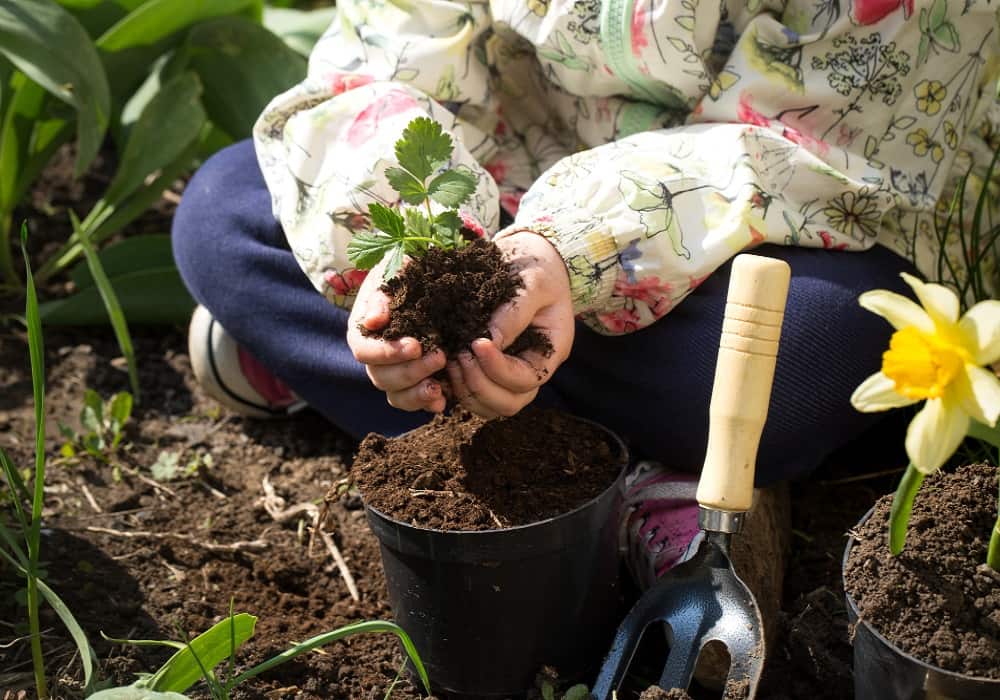
Gardening is one of the most rewarding hobbies you can start, and in India, it has become increasingly popular due to the joy it brings and the health benefits of growing your own food. If you are new to this green journey, this guide on gardening for beginners in India will walk you through everything you need to know – from choosing plants to maintaining a thriving garden at home.
Why Gardening Is Perfect for Beginners in India
Gardening offers multiple benefits for beginners in India:
-
Fresh and organic produce – Grow vegetables and fruits without harmful chemicals.
-
Mental well-being – Spending time with plants improves mood and lowers stress.
-
Sustainable lifestyle – Helps reduce waste and promotes eco-friendly living.
-
Space flexibility – You can start gardening in small balconies, terraces, or backyards.
Step-by-Step Guide to Gardening for Beginners in India
1. Choose the Right Location
The first step in gardening for beginners India is selecting a spot that gets at least 4–6 hours of sunlight daily. Balconies, windowsills, terraces, or even small corners in your kitchen can be transformed into mini gardens.
2. Select Beginner-Friendly Plants
For Indian beginners, it’s best to start with plants that are easy to grow and require minimal care. Some great options include:
-
Vegetables: Tomatoes, spinach, chilies, coriander
-
Herbs: Mint, basil, curry leaves
-
Flowers: Marigold, hibiscus, petunia
3. Choose the Right Pots and Soil
Use containers with drainage holes to avoid waterlogging. For soil, mix garden soil, compost, and cocopeat in equal parts. This ensures your plants get enough nutrients and retain moisture.
4. Watering Your Plants
Overwatering is a common mistake for beginners. Only water until the top soil layer seems completely dry. Morning watering is best as it keeps plants hydrated throughout the day.
5. Fertilizing for Growth
Organic compost, kitchen waste compost, or cow dung manure works best for Indian home gardens. For wholesome growth, feed your plants every two to three weeks.
6. Pest and Disease Control
For beginners in India, chemical pesticides are not recommended. Instead, try natural solutions like neem oil spray or a mixture of water and baking soda to prevent pests.
7. Regular Care and Pruning
Remove dried leaves and dead flowers to encourage new growth. Regular pruning helps maintain plant shape and promotes better flowering or fruiting.
Best Gardening Ideas for Beginners in India
-
Vertical Gardening: Great for small spaces like balconies.
-
Herb Kitchen Garden: Grow herbs in pots for fresh cooking ingredients.
-
Container Gardening: Ideal for urban homes with limited outdoor space.
-
Terrace Gardening: Utilize rooftops to grow vegetables and flowers.
Seasonal Gardening Tips for Beginners in India
-
Summer: Grow okra, cucumber, sunflower, and marigold.
-
Monsoon: Choose gourds, spinach, and hibiscus.
-
Winter: Perfect for carrots, cauliflower, cabbage, and roses.
Common Mistakes to Avoid
-
Overwatering plants
-
Growing plants that are not suitable for your climate
-
Ignoring pest control until damage is severe
-
Using poor-quality soil without compost
FAQs – Gardening for Beginners India
Q1. What is the easiest plant to grow for beginners in India?
A1. Mint, spinach, and coriander are some of the easiest plants to grow for beginners in India.
Q2. How often should I water my plants?
A2. Water your plants when the top layer of soil feels dry, usually every 1–3 days depending on the season.
Q3. Can I start gardening without a backyard?
A3. Yes! You can grow plants in pots, containers, or even bottles on a balcony, terrace, or windowsill.
Q4. Which season is best for starting a garden in India?
A4. The cooler months of October to February are ideal for starting most plants in India.
Q5. How can I keep pests away naturally?
A5. Use neem oil spray or plant marigolds to repel common pests naturally.
Final Thoughts
Starting your journey in gardening for beginners India is easier than you think. With the right plants, proper care, and a little patience, you can enjoy the beauty of greenery and the joy of harvesting your own produce. Whether you have a large backyard or a tiny balcony, gardening is a fulfilling hobby that brings you closer to nature and adds life to your home.
