

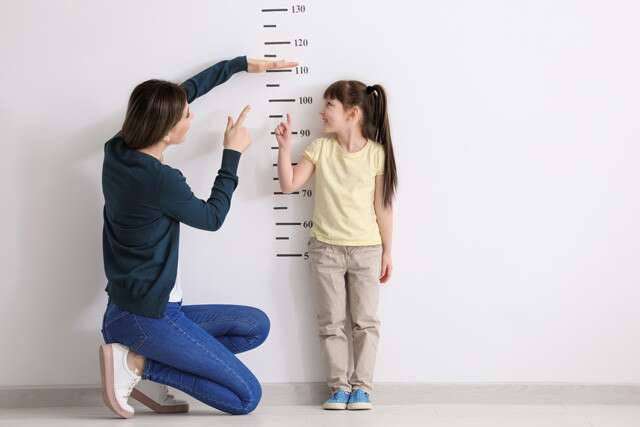
When people think about health, they often focus on how they look in the mirror or what the weighing scale shows. But true health is about balance—and one of the simplest ways to measure it is by using a height weight chart. For decades, this chart has been a go-to tool for doctors, but in 2025, it is being rediscovered by individuals who want to take control of their fitness and overall well-being.
What makes the height weight chart so powerful is its ability to provide quick insights into whether your weight is appropriate for your height. More than just a guide to body mass, it acts as an indicator of potential health risks such as obesity, malnutrition, or being underweight. When paired with modern tools like the BMI calculator women version, it becomes even more precise, offering a complete picture of body composition and long-term health.
What is a height weight chart?
A height weight chart maps out the healthy weight range for a person based on their height. By comparing where you fall on the chart, you can quickly determine whether you are underweight, within a healthy range, overweight, or obese.
For example, someone who is 5 feet 4 inches tall might find that a healthy weight range for them is between 50–65 kilograms. If they fall outside this range, it may indicate the need for lifestyle changes, whether through nutrition, exercise, or medical consultation.
The chart is widely used because it is simple, accessible, and does not require advanced technology.
Why it matters in 2025
Medical professionals are seeing rising cases of lifestyle-related conditions such as diabetes, hypertension, and heart disease at younger ages. Much of this is linked to unhealthy weight levels. The height weight chart provides an easy first step in identifying risks before they develop into chronic diseases.
At the same time, people are becoming more proactive about their health, using digital tools and calculators to monitor fitness. The height weight chart, once a paper-based reference, is now available in interactive formats online, making it easier to use than ever.
How the chart works with BMI
The height weight chart gives a broad overview, but pairing it with a BMI calculator women (or men, depending on the user) makes the assessment more detailed.
BMI, or Body Mass Index, measures body fat based on height and weight. For women, BMI calculators also take into account differences in body composition compared to men. Together, the height weight chart and BMI calculator provide both a general and specific perspective on health.
For example, two women may weigh the same and have the same height, but their BMI may differ depending on muscle mass versus fat percentage. This layered approach gives a clearer picture than relying on weight alone.
Hidden health insights from a height weight chart
Many people are surprised to learn how much information can be revealed from this simple tool:
It shows whether weight levels fall within the healthy range, reducing the guesswork often associated with fitness goals. It highlights risks of being underweight, such as nutrient deficiencies and weakened immunity. It flags overweight or obesity, which are linked to higher chances of diabetes, cardiovascular disease, and certain cancers. It provides a baseline for setting realistic weight-loss or muscle-gain targets. It encourages preventive health action rather than waiting for medical issues to arise.
Why women are using BMI calculators more
In recent years, the BMI calculator women version has become increasingly popular. Women face unique health challenges, including hormonal changes, pregnancy-related weight fluctuations, and higher risks of conditions like osteoporosis. Using BMI calculators tailored for women provides more personalised insights, ensuring fitness goals are realistic and safe.
For women in particular, the combination of the height weight chart and BMI tools is helping them manage weight more effectively while keeping long-term health in mind.
Limitations to be aware of
While the height weight chart is a useful guide, it does not account for every factor. For example, athletes with higher muscle mass may appear overweight on the chart even though they are fit. Similarly, body composition differences such as fat distribution are not visible on the chart alone.
That is why pairing the chart with BMI calculators, body fat percentage measures, and waist-to-hip ratios gives a more comprehensive understanding.
Practical ways to use the chart
Families can use a height weight chart as a simple check for all members, from children to senior citizens. Schools and fitness centres often use it as a screening tool to identify potential health issues early. Individuals can use it to track progress during weight management programmes. Health insurers and employers may also rely on charts and BMI calculators to assess risk factors.
By incorporating the chart into regular health assessments, people can set achievable goals and avoid extremes of underweight or obesity.
The future of simple health tools
In an age of smartwatches and digital health apps, it is easy to assume that simple tools like the height weight chart are outdated. But their continued relevance lies in their simplicity and accessibility. Paired with the growing popularity of BMI calculators, especially those designed for women, these charts are evolving into powerful, modern resources.
By combining old and new methods, individuals can create a holistic approach to health—balancing body weight with overall fitness, diet, and lifestyle.
Conclusion
The height weight chart remains one of the most effective tools for assessing whether your weight aligns with your height. While it may seem basic, it reveals critical insights into your health that even advanced tests sometimes overlook. When used alongside the BMI calculator women version, it provides a more personalised picture, guiding fitness and nutrition choices.
In 2025, as lifestyle diseases continue to rise, families and individuals alike are rediscovering the value of these simple yet powerful tools. Far from being outdated, the height weight chart is proving that sometimes the most effective solutions are also the simplest.
By using it as part of regular health tracking, you can take proactive steps toward better fitness, prevent long-term illnesses, and maintain a healthier, more balanced life.
