

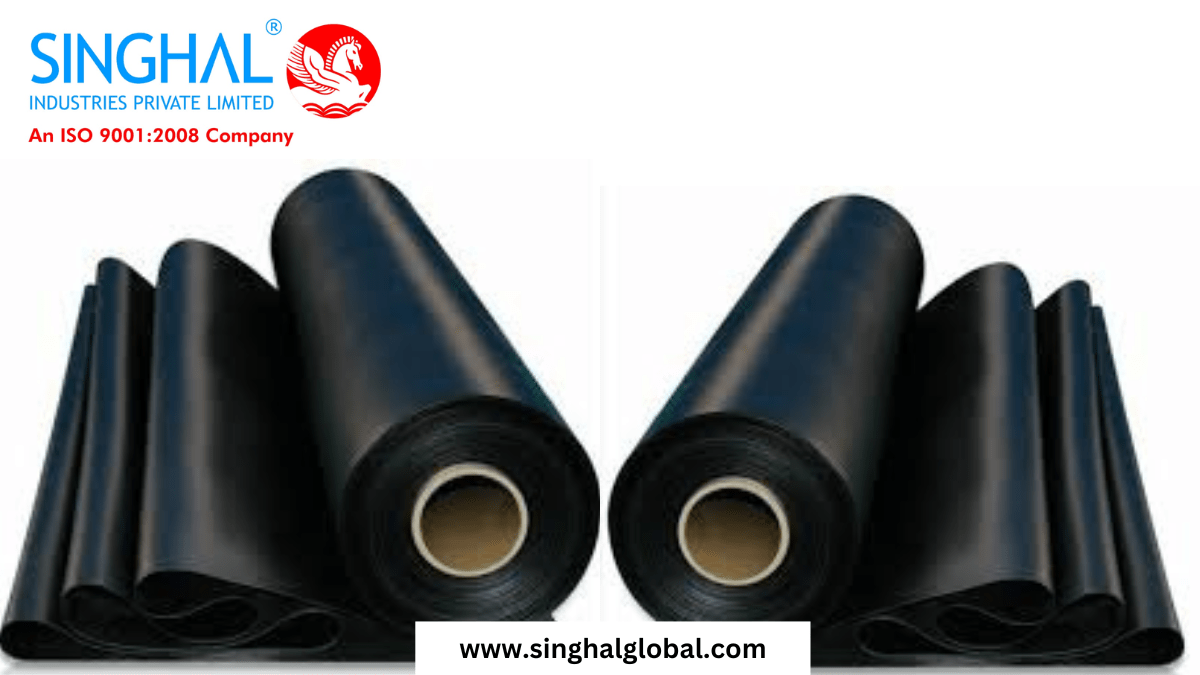
HDPE pond liners are a popular and reliable solution for the construction and maintenance of ponds, reservoirs, and water bodies. Made from High-Density Polyethylene (HDPE), these liners are designed to provide an effective barrier that prevents water from seeping into the surrounding soil, ensuring proper water retention. Widely used in various applications such as agricultural ponds, fish farms, landscape water features, and wastewater treatment facilities, HDPE pond liners have become a preferred choice for water containment solutions.
In India, particularly in Gujarat and Ahmedabad, pond liner manufacturers are playing a key role in supplying high-quality HDPE pond liners to meet the growing demand. With their superior durability and resistance to environmental factors, HDPE pond liners are revolutionizing the way water containment projects are executed.
In this article, we will delve into the benefits, applications, and manufacturing process of HDPE pond liners. We will also highlight the role of Pond liner exporters in Gujarat and pond liner manufacturers in Ahmedabad in ensuring the availability of these essential products in the global market.
What Are HDPE Pond Liners?
HDPE (High-Density Polyethylene) pond liners are strong, flexible sheets made from a synthetic polymer material, offering exceptional strength and resistance to chemicals, UV rays, and various environmental stresses. These liners are designed to line the bottom and sides of ponds and other water bodies to prevent water leakage, minimize soil erosion, and maintain the integrity of the water environment.
The key feature of HDPE pond liners is their ability to withstand high-pressure conditions and extreme weather conditions. HDPE is known for its ability to perform well in both hot and cold temperatures, making it a reliable material for long-term use.
Benefits of HDPE Pond Liners
-
Durability: HDPE pond liners are known for their superior durability. They can last for many years without significant degradation, even when exposed to harsh environmental conditions, such as UV radiation, extreme temperatures, and fluctuating water levels.
-
Waterproofing: One of the primary reasons for using HDPE pond liners is their ability to provide an impermeable barrier. This ensures that water does not seep into the soil, preserving the pond’s water levels and preventing unnecessary water loss.
-
UV and Chemical Resistance: HDPE is highly resistant to ultraviolet (UV) radiation, which means the liner won’t degrade or lose its strength when exposed to the sun. Additionally, HDPE pond liners are resistant to various chemicals, making them ideal for applications involving chemical storage, wastewater treatment, or fish farming.
-
Flexibility and Customization: HDPE pond liners are available in various thicknesses, lengths, and widths, and can be customized to suit specific project requirements. Whether it’s a small decorative pond or a large industrial water containment project, pond liner manufacturers in Ahmedabad and Gujarat can provide liners in a variety of sizes and configurations.
-
Cost-Effective: While HDPE pond liners may come with an initial investment, their durability and long lifespan make them a cost-effective solution in the long run. They require minimal maintenance and provide reliable performance over time, reducing the need for frequent replacements.
-
Environmentally Friendly: HDPE is a recyclable material, making HDPE pond liners an eco-friendly option for water containment. Once the liner reaches the end of its useful life, it can be recycled, reducing environmental impact.
-
Ease of Installation: HDPE pond liners are relatively easy to install, and many manufacturers provide detailed instructions or professional installation services. This makes it easy for contractors or property owners to set up ponds and water features quickly and efficiently.
Applications of HDPE Pond Liners
-
Agricultural Ponds: HDPE pond liners are commonly used in agricultural settings to create ponds that store water for irrigation purposes. These ponds help farmers conserve water by preventing water loss due to seepage and evaporation.
-
Fish Farming: HDPE pond liners are crucial in fish farming or aquaculture. They help create a controlled environment for fish by preventing contamination from soil or groundwater and maintaining proper water quality. The liners also provide a secure, stable base for fish farming tanks or ponds.
-
Landscaping and Water Features: For landscaping projects, HDPE pond liners are used to create decorative ponds, fountains, and water gardens. They are ideal for maintaining clear, clean water in ornamental ponds and ensuring that the water feature is both visually appealing and functional.
-
Wastewater Treatment: HDPE pond liners are extensively used in wastewater treatment plants for holding and storing treated water or wastewater. They are often used in holding tanks, lagoons, or bioreactors, where water containment is essential for preventing contamination of the surrounding environment.
-
Stormwater Management: In urban settings, HDPE pond liners are used in stormwater management systems to contain runoff water. These liners help prevent erosion and manage water flow, particularly in large urban areas prone to heavy rains and flooding.
Manufacturing Process of HDPE Pond Liners
The manufacturing process of HDPE pond liners involves several key steps:
-
Polymerization: The process begins with the polymerization of ethylene monomers to create high-density polyethylene (HDPE). This involves the use of catalysts and specific temperature conditions to produce the desired polymer.
-
Extrusion: The HDPE resin is melted and then extruded into thin sheets using specialized machinery. The extrusion process helps form the flexible, durable sheets that are used as pond liners.
-
Texturing (Optional): Some HDPE pond liners may undergo a texturing process to enhance their slip resistance or to improve their ability to bond with soil or other materials. Textured surfaces can also help improve the liner’s strength and stability when placed in a pond.
-
Cutting and Shaping: Once the sheet has been extruded, it is cut into desired lengths and widths according to the project’s specifications. The sheets can be rolled up for shipping or ready for immediate installation.
-
Quality Control: Rigorous quality control procedures are followed to ensure that the final product meets the required strength, flexibility, and impermeability standards. This includes testing the HDPE pond liner for UV resistance, chemical resistance, and puncture resistance.
-
Packaging and Shipping: Once the HDPE pond liners pass quality control, they are packaged and shipped to distributors, contractors, and end-users. Manufacturers, such as Pond liner manufacturers in Ahmedabad, typically supply these liners in bulk to meet the demands of large-scale projects.
The Role of Pond Liner Manufacturers in Gujarat and Ahmedabad
Pond liner manufacturers in Ahmedabad and Pond liner manufacturers in Gujarat play a significant role in the global supply chain for HDPE pond liners. These manufacturers are known for their expertise in producing high-quality liners that meet international standards.
Pond liner exporters in Gujarat also contribute to the growing global market for HDPE pond liners. The state of Gujarat has a robust manufacturing infrastructure, skilled workforce, and strategic location, making it an ideal hub for producing and exporting pond liners to various parts of the world. The proximity to major ports also facilitates the efficient transportation of products to international markets.
Frequently Asked Questions (FAQs)
Q1: Why are HDPE pond liners preferred over other types of liners?
A1: HDPE pond liners are preferred due to their durability, UV resistance, waterproofing capabilities, and flexibility. They provide long-lasting performance in various environmental conditions, making them a reliable choice for water containment projects.
Q2: How long do HDPE pond liners last?
A2: HDPE pond liners can last for decades when properly installed and maintained. Their resistance to UV radiation, chemicals, and physical stress ensures that they remain functional for many years without significant degradation.
Q3: Can HDPE pond liners be used for both small and large-scale projects?
A3: Yes, HDPE pond liners can be customized to suit both small and large-scale projects. Manufacturers can provide liners in various thicknesses and sizes, making them suitable for everything from small decorative ponds to large agricultural or industrial water containment systems.
