

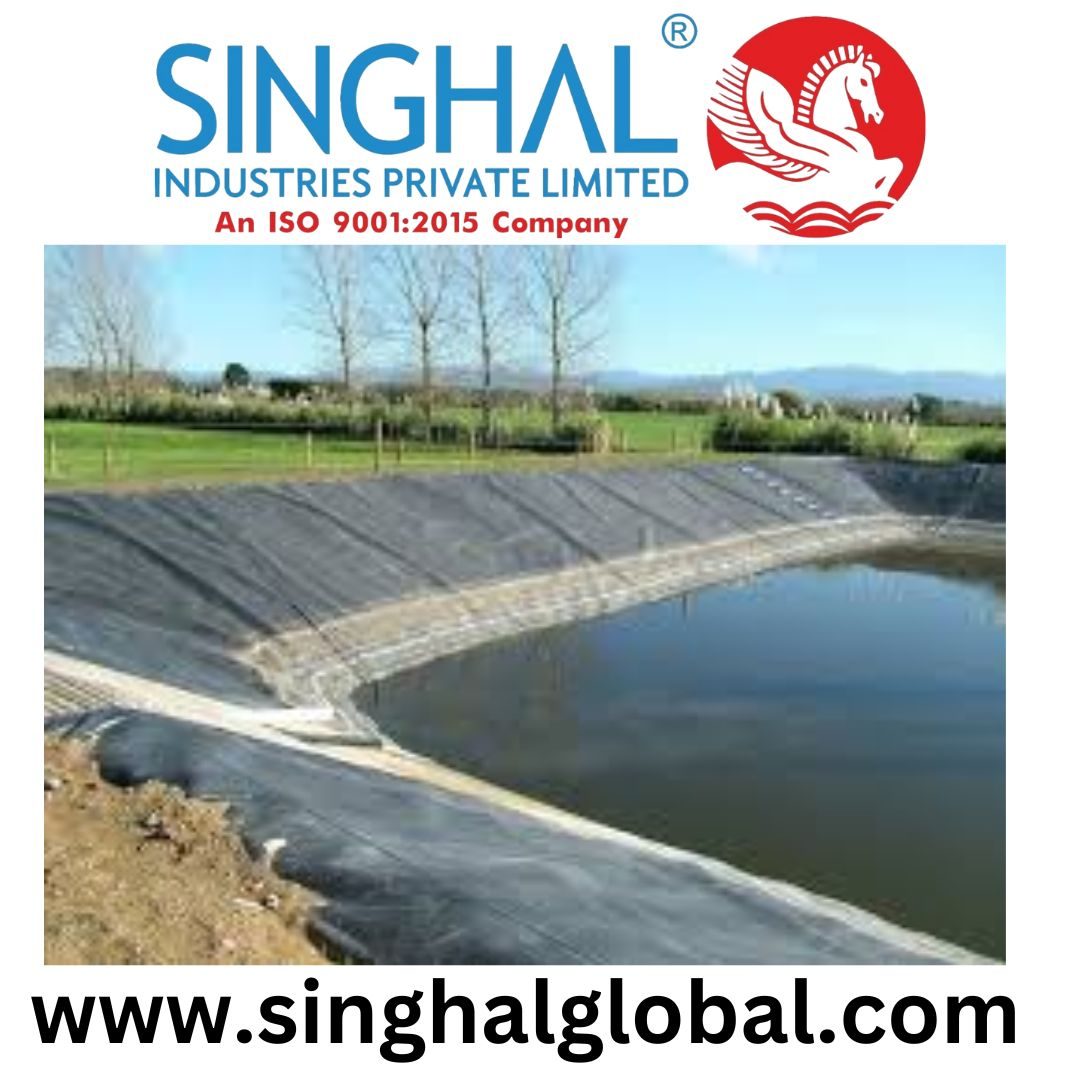
A Comprehensive Guide to Durable Pond Solutions
One of the most important things to consider when building your pond for aesthetic or purpose is what material to use as the linings. A good liner will maintain water retention and will stop leaks while keeping its integrity and lasting through various environmental challenges. One of the most common materials used for liners is HDPE (High-Density Polyethylene). It is versatile, durable, and cost-effective as a productive liner; many professional pond builders have and are using it to achieve the best results for their pond owners today. In this article, we will touch on all the aspects of an HDPE pond liner including, installation, benefits, and usages for both fish and non-fish ponds.
What Is an HDPE Pond Liner
HDPE pond liners are specifically designed to hold water for a long time; these liners would be a great option for making ponds. HDPE material is resistant to UV light, chemical corrosion, and mechanical wear so it works effectively for a long time – flexibility of HDPE allows it to take shapes, so any shape, size, or design pond would work with this type of pond liner.
Benefits of HDPE Pond Liners
There are many reasons that have contributed to HDPE pond liners becoming the first choice when constructing ponds. Unlike traditional pond liners, such as rubber and PVC, HDPE liners will last for decades without breaking down. Depending on the original construction, it is extremely important for ponds that will be holding aquatic life to have liners that won’t deteriorate, causing contamination of the water, or leaking if there is water for aquatic life to access.
HDPE Pond Liner Installation Process
Installing a HDPE pond liner is an easy task, but takes care and preparation. When digging the pond remember to smooth the edges of the pond, and remove any sharp rocks or other debris that could puncture the liner. After digging the pond, sand or material is usually put on the bottom and sides of the pond to create a carpeting layer for the liner to rest on.
If the pond has numerous curves or other irregular shapes to it, the liner may need to be custom cut to fit. You will want to stretch the liner out over the pond making sure that the pond liner is taut, and the whole area is covered with enough liner to come over the edge of the pond. Once you have the liner stretched out in the pond, you will want to secure around the edges of the pond, using rocks, gravel, or other material.
Choosing the Right HDPE Pond Liner Manufacturer
Choosing an HDPE pond liner should include a HDPE Pond Liner Manufacturer that has a good reputation. A good manufacturer will provide durable liners and liners that withstand environmental factors, such as UV, chemicals, and temperature. Also, look for a reputable manufacturer with experience producing liners for pond applications.
Material quality is key! Why? Because some manufacturers sell poor material that can degrade much quicker than other liners (which will lead to leaks and replacement sooner than expected!). The best manufacturers guarantee that their liner meets international technical standards and can provide a liner based on charts and information that they used to verify durability and performance. Also, the best manufacturers should have different thicknesses and selected sizes so that customers can select what’s best for their pond building project.
Applications of HDPE Fish Pond Liners
One primary use of HDPE pond liners is to create fish ponds. Keeping a stable and safe aquatic environment is essential for fish to survive, an HDPE Fish Pond Liner can help to keep the water quality stable with its leak-proof membrane, and lessen the chances of polluted water getting through the liner while keeping a consistent level of water in the fish pond. Fish ponds need to maintain a level in the water, once that level is interrupted by leaking, it can create unstable and erratic water levels, which the fish and water species will experience, potentially causing stress to the aquatic life.
With an HDPE liner, there is no risk of any toxic chemicals, or pollutants seeping from the soil surface to the pond. This is important if the pond is located in a location where soil contamination is possible. Another example of HDPE superiority over most plastic liners is the UV resistant liner protects the pond from exposure to direct sunlight, which can lead to algae growth and other contamination issues within the water.
Environmental Impact of HDPE Pond Liners
When compared to other pond liner materials, HDPE pond liners are a more sustainable choice. That is to say, compared to PVC, rubber, or other man-made materials, there are environmental advantages to using HDPE. One such environmental advantage is that HDPE is recyclable. Through repurposing HDPE, the environmental impact of construction is lessened because the materials do not contribute to the pollution or adverse climate changes that many materials do when manufactured. HDPE also lasts longer than other traditional liner materials. Because of their longevity, fewer HDPE liners need to be disposed of and subsequently no waste will go in landfills.
Additionally, HDPE liners are not absorbent to harmful chemicals making them safer for the surrounding landscape and environment since pollutants have little risk of leaching into the soil or groundwater. So, for pond owners, an HDPE liner is a good choice when making decisions that may correlate when it comes to preserving and supporting the environment, while gaining a reliable and effective water feature.
Conclusion
HDPE pond liners are great for anyone who is looking to build a strong and durable pond HDPE Pond Liner Installation are made with outstanding strength, flexibility, and resistance to UV rays, chemicals, and punctures, making them the best choice for decorative ponds and functional ponds (such as fish ponds). If installed properly, HDPE liners can provide safe and secure fixes on maintaining appropriate water quality and stability for aquatic life. Whether you are creating a tranquil garden pond or a lively fish pond, HDPE pond liners offers a long-lasting environmentally-friendly option to create your pond.
Frequently Asked Questions (FAQs)
Who is the largest manufacturers of HDPE POND LINER?
Singhal Industries Private Limited is market leaders across the globe, and companies often will have a focus on HDPE with enhanced characteristics to ensure performance in various pond applications using the same liner product.
Who is the largest supplier of HDPE POND LINER?
Singhal Industries Private Limited is largest supplier of HDPE POND LINER . HDPE pond liners are overall much more longer lasting, they aren’t as susceptible to UV rays, chemicals, and punctures as PVC liners. HDPE liners are also much less harmful to the environment because they can be recycled, and they still hold a good lifespan compared to PVC.
How long will HDPE pond liners last?
When installed and maintained properly, HDPE pond liners can last for 30 years or longer, making them an excellent long-term investment for pond owners.
Are HDPE liners for fish ponds safe?
Yes, HDPE liners for fish ponds are safe for aquatic life. They are non-toxic, and there are no leaching harmful chemicals that could endanger fish, making them ideal for fish ponds.
Can HDPE pond liners be installed without having to hire a pro?
Technically it is possible for rain DIY types to install, but ideally for larger ponds and seam welds, you would want to pay a builder.
What is the process for fixing an HDPE pond liner?
Fixes can be done by patching small holes with HDPE patches, and if it’s a larger hole, either tape it with adhesive or weld it.
Is HDPE a sustainable product?
Yes, HDPE is recyclable, and does not create a significant waste contribution over it’s lifetime due to it’s longevity.
Who is the largest exporter of HDPE POND LINER?
Singhal Industries Private Limited is the largest exporter of HDPE POND LINER The HDPE liner is based on the size, thickness, and exporter HDPE liners are typically more expensive than PVC and rubber liners.
Are HDPE pond liners suitable for larger ponds?
Absolutely! HDPE liners work well in both small and large ponds. In fact, HDPE liners can be custom made to accommodate any size or shape of pond!
Do HDPE pond liners limit algae growth?
HDPE liners are not directly responsible for algae control. They are useful for keeping water quality suitable, by limiting the water leaks that can affect the water mix. However, you must have proper maintenance practices in uplifting the algae population.
