

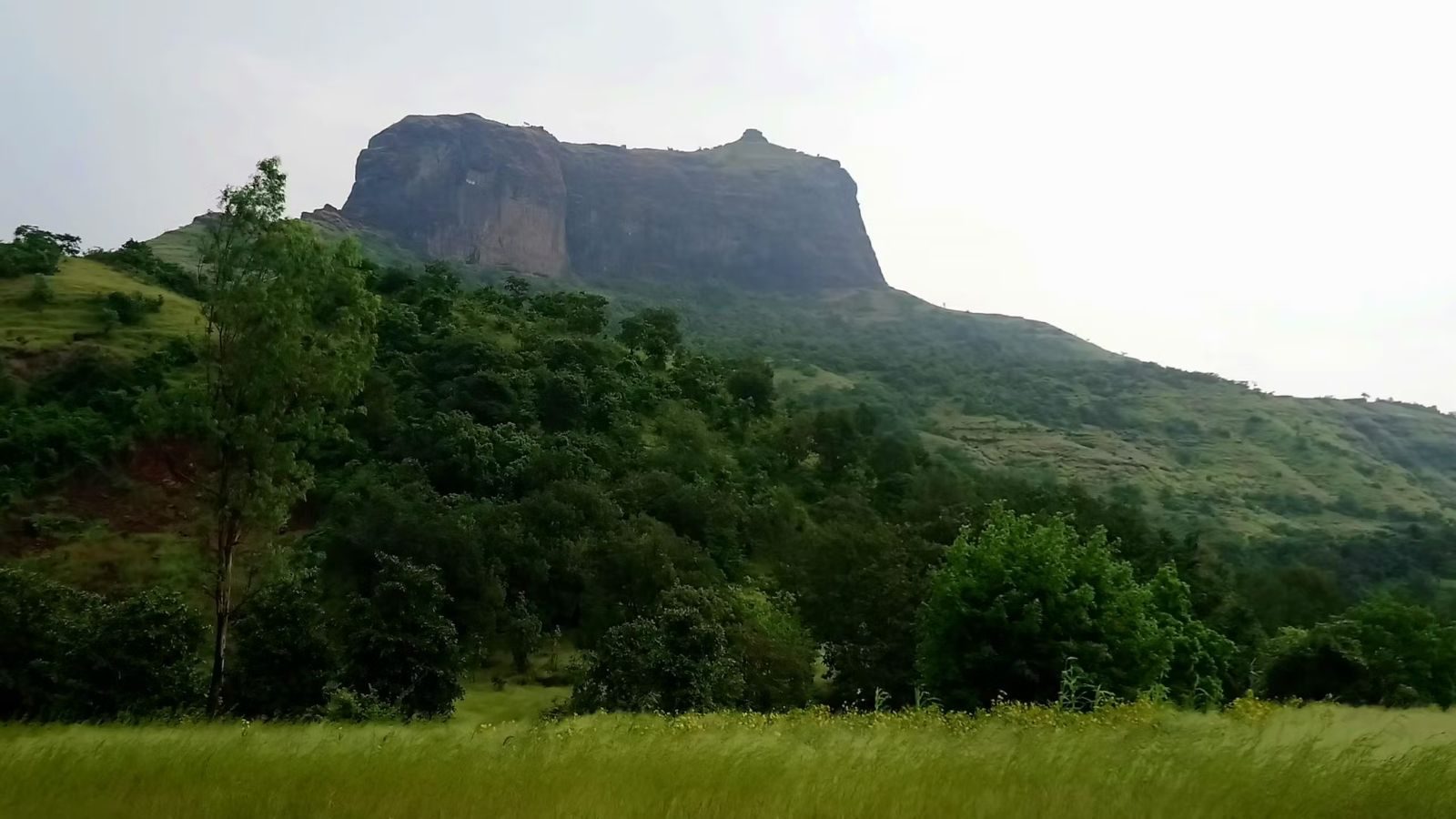
Located in the Nashik district of Maharashtra, Harihar Fort is one of the most iconic and challenging trekking destinations in the Western Ghats. Known for its impressive architectural features and historical significance, this fort offers not only a glimpse into the region’s rich past but also breathtaking views of the surrounding landscape.
Also referred to as Harihar Fort Nashik, it is famous for its unique vertical rock-cut steps and the sense of adventure it offers to trekkers. Perched at an altitude of about 1,100 meters above sea level, Harihar Fort is a must-visit for history buffs, adventure enthusiasts, and nature lovers alike.
Historical Significance of Harihar Fort
Harihar Fort has an interesting and ancient history that dates back to the 14th century. It is believed to have been built by the Khilji dynasty, later being taken over by the Mughal Empire and eventually coming under Maratha rule. The fort was used as a strategic military outpost due to its elevated position and strong defensive structures. It served as a vantage point for guarding the surrounding region and controlling access to important trade routes.
Historically, Harihar Fort has seen several battles and power changes. In the 17th century, the Marathas, under the leadership of Chhatrapati Shivaji Maharaj, took control of the fort. During this time, the fort played a crucial role in the Maratha Empire’s military operations, protecting the area from invaders. The fort’s proximity to other important forts in the Sahyadri range, like Trimbak Fort and Ankai Fort, further emphasizes its strategic importance.
Architecture and Features of Harihar Fort
The Harihar Fort is renowned for its distinctive vertical rock-cut steps leading up to the top, making it one of the more difficult treks in Maharashtra. The path to the summit is narrow and steep, requiring trekkers to climb rock-cut steps that are carved directly into the mountain. The final steps to the top are the most challenging, with the ascent resembling a vertical climb that requires careful navigation. It is this daring ascent that makes Harihar Fort a thrilling adventure for those seeking a physical and mental challenge.
At the top of the fort, there are remnants of old buildings, including a small temple dedicated to Lord Vishnu, which adds to the spiritual aura of the place. The fort also has large bastions and several water cisterns, evidence of its historical use as a military stronghold. The surrounding fortifications and walls, though weathered by time, are still impressive in their design.
The most notable feature at the summit is the view. The top of Harihar Fort offers panoramic vistas of the surrounding hills, valleys, and rivers, including the Vaitarna River. On clear days, trekkers can see distant forts and hills, which highlight the fort’s strategic position in the Sahyadri range.
Trekking to Harihar Fort: A Challenge for Adventure Seekers
Trekking to Harihar Fort Nashik is a rewarding experience for adventure seekers, especially those interested in exploring the rugged terrain of the Western Ghats. The trek is about 2-3 hours long, depending on the pace of the trekker. The trail is moderately difficult, with steep climbs and narrow paths that require careful footing.
The trek begins at the base village, Nirgudpada, which is around 18 kilometers from Nashik city. The initial part of the trek is relatively easy, passing through forested areas with plenty of shade. As you ascend, the climb becomes more strenuous, leading to the famous vertical steps. These rock-cut steps are narrow and steep, requiring trekkers to use both hands and feet to ascend safely.
The summit of Harihar Fort offers a well-deserved break with its cool breeze, scenic views, and historical significance. It’s also a great spot for photography, as the surrounding landscape provides a stunning backdrop of the Sahyadri mountain range. On reaching the top, trekkers can explore the remnants of the fort, including its water tanks, temples, and the fortification walls.
For those planning to trek Harihar Fort, it is essential to wear proper trekking shoes, carry enough water, and be prepared for the steep climb. While the trek is challenging, it is also very rewarding, offering both physical exhilaration and a connection with history.
Best Time to Visit Harihar Fort
The best time to visit Harihar Fort is during the monsoon (June to September) and winter months (October to February). The lush greenery that envelops the fort during the monsoon makes for a scenic trek, though trekkers should be cautious as the path can be slippery. The winter months, when the weather is cooler and the skies are clear, also offer a comfortable trekking experience.
It is advisable to avoid visiting during the summer months (March to May) due to the intense heat and dryness, which can make the trek challenging, especially since the trail lacks much shade in some parts.
Harihar Fort: A Must-Visit in Nashik
Harihar Fort, often overshadowed by its more famous counterparts like Torna Fort or Sinhagad Fort, remains an underrated gem in Maharashtra’s rich historical landscape. Fort Harihar, with its challenging climb, historical relevance, and stunning views, offers a unique and rewarding experience to those who venture to the top. Whether you are a history enthusiast wanting to explore the legacy of the Maratha Empire, an adventure lover seeking a thrilling climb, or simply someone who enjoys the beauty of nature, Harihar Fort has something to offer.
For those planning a trip to Nashik, a visit to Harihar Fort should definitely be on the itinerary. With its blend of history, adventure, and natural beauty, Harihar Fort offers a truly memorable experience. After conquering the steep steps, standing at the top and gazing at the sweeping views of the Western Ghats is an achievement that stays with you long after the journey is over.
