

Rainwater management is one of the most important aspects of protecting a building. While roofs are designed to keep water out, gutters play a crucial role in directing rainwater away from the structure. Without a proper gutter system, water can damage walls, foundations, landscaping, and even the roof itself. Over the years, technology has improved how gutters are produced and installed, and one of the most important innovations in this field is the gutter machine.
Gutter machines have changed the way contractors and manufacturers produce gutters. Instead of relying on pre-cut gutter sections that must be joined, these machines enable professionals to create seamless gutters quickly and efficiently. As a result, modern gutter systems are stronger, more reliable, and better suited for long-term performance.
Understanding Gutter Machines
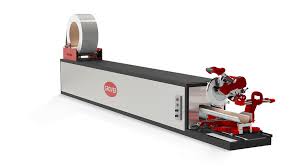
A gutter machine is specialized equipment used to produce seamless gutters from metal coils. The machine works by feeding a coil of metal—usually aluminum, steel, copper, or another durable material—through a series of rollers that gradually shape it into a gutter profile.
Once the metal passes through the forming rollers, the machine produces a continuous gutter that can be cut to the exact length needed for a building. This process eliminates the need for multiple gutter sections and joints, which are common weak points in traditional gutter systems.
Seamless gutters produced by these machines are not only stronger but also more visually appealing because they have fewer seams and connections.
Why Seamless Gutters Are Important
Traditional gutters are often made in sections that are connected during installation. Each joint between sections can become a potential location for leaks, corrosion, or structural failure over time.
Seamless gutters solve this problem by creating a continuous piece of gutter that runs along the entire roof edge. With fewer joints, there is less chance for water to escape or debris to collect.
Gutter machines enable this seamless design by producing gutters on demand, customized to the building’s exact dimensions.
Benefits of Using Gutter Machines
Gutter machines provide several advantages that make them valuable tools for contractors, roofing professionals, and manufacturers.
Improved Efficiency
One of the biggest advantages of gutter machines is the speed at which they produce gutters. Traditional methods require cutting, measuring, and connecting multiple sections, which can take a significant amount of time.
With a gutter machine, contractors can produce a full-length gutter in minutes. This increases productivity and allows professionals to complete projects faster.
Precision and Customization
Every building has different dimensions and architectural features. Gutter machines allow contractors to create gutters that are custom-made for each structure.
By producing gutters in exact lengths, installers can ensure a perfect fit along the roofline. This level of precision improves the overall appearance of the gutter system and ensures proper water flow.
Reduced Material Waste
Producing gutters on-site also reduces material waste. Because gutters are created to exact specifications, there is less leftover material compared to traditional sectional systems.
This not only saves money but also supports more efficient use of building materials.
Enhanced Durability
Seamless gutters produced by machines are generally stronger than sectional systems. With fewer joints and connections, the system is less likely to leak or weaken over time.
Many gutter machines can form gutters from high-quality metals that are resistant to rust, corrosion, and harsh weather conditions.
Types of Gutter Machines
Gutter machines come in several designs depending on the production needs of the contractor or manufacturer.
Portable Gutter Machines
Portable gutter machines are compact units designed for job-site use. Contractors often mount these machines on trailers or trucks so they can produce gutters directly at the installation location.
This allows installers to measure the roof and produce gutters immediately without waiting for factory-made pieces.
Portable machines are especially useful for residential projects and small commercial buildings.
Industrial Gutter Machines
Industrial gutter machines are larger systems typically used in manufacturing facilities. These machines are designed for high-volume production and can create large quantities of gutters for distribution.
They are often used by companies that supply gutters to roofing contractors or construction companies.
Multi-Profile Gutter Machines
Some modern machines are capable of producing multiple gutter styles. These machines can be adjusted to create different gutter profiles, such as K-style or half-round gutters.
This flexibility allows contractors to meet a variety of customer preferences and architectural styles.
Materials Used in Gutter Production
Gutter machines can work with several types of metals depending on the needs of the project.
Aluminum is one of the most common materials because it is lightweight, corrosion-resistant, and easy to shape. Steel is another durable option often used for stronger gutter systems.
Copper gutters are also popular in high-end construction because of their distinctive appearance and long lifespan. Over time, copper develops a natural patina that many property owners find attractive.
Each material offers unique benefits, and gutter machines allow manufacturers to produce gutters from these metals efficiently.
Maintenance and Care of Gutter Machines
Like any piece of equipment, gutter machines require regular maintenance to perform reliably. Operators should keep rollers clean and ensure that metal coils feed smoothly through the machine.
Lubricating moving parts and checking alignment are also important for preventing mechanical issues. Proper maintenance not only extends the life of the machine but also ensures consistent gutter quality.
Businesses that invest in routine care for their machines often experience fewer breakdowns and improved production efficiency.
The Future of Gutter Production
As construction technology continues to evolve, gutter machines are becoming more advanced. Modern systems may include digital controls, automated cutting features, and improved roller designs that increase speed and precision.
These innovations allow contractors to produce gutters more efficiently while maintaining high-quality standards. As demand for seamless gutter systems grows, gutter machines will continue to play a vital role in modern construction and roofing industries.
Conclusion
Gutter machines have transformed the way seamless gutter systems are produced and installed. By allowing contractors to fabricate custom gutters quickly and accurately, these machines improve efficiency, reduce material waste, and enhance the durability of gutter systems.
