

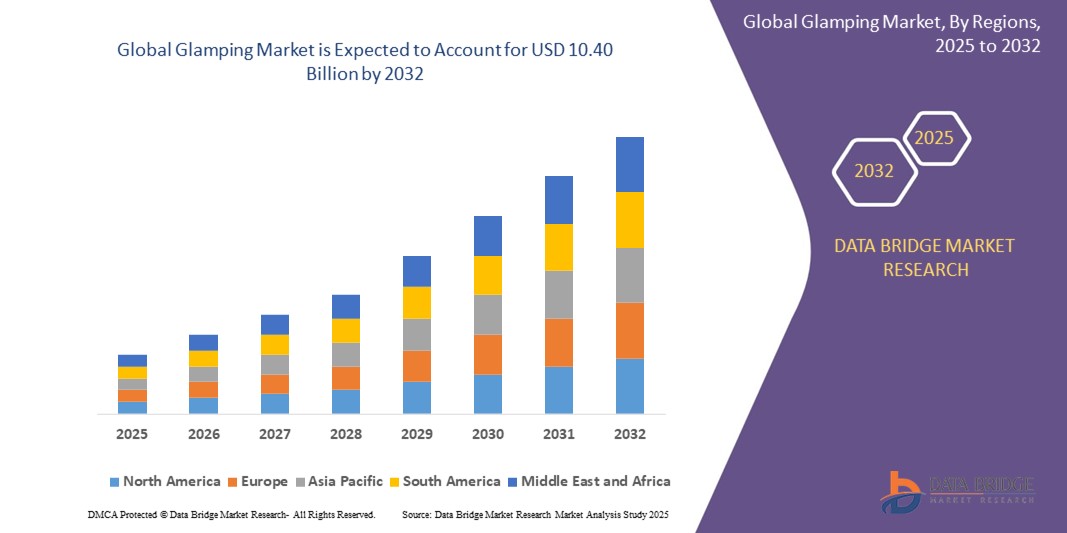
The glamping market has emerged as a modern evolution of outdoor accommodation, combining the appeal of nature with the comfort of premium hospitality. Unlike traditional camping, glamping offers well-equipped lodging options such as luxury tents, cabins, treehouses, and eco-lodges. These accommodations provide modern amenities while preserving a close connection to natural surroundings. As travel preferences continue to shift toward experiential and sustainable tourism, the glamping market is gaining strong global momentum.
Travelers today seek unique stays that deliver relaxation, authenticity, and comfort. This demand has positioned the glamping market as a preferred option among leisure travelers, families, and adventure enthusiasts. The concept appeals to both first-time outdoor visitors and experienced travelers looking for upgraded experiences.
Market Overview
The glamping market operates at the intersection of hospitality, tourism, and outdoor recreation. It caters to consumers who want immersive nature-based stays without sacrificing convenience or quality. Glamping properties are typically located in scenic areas such as forests, deserts, mountains, coastal regions, and countryside destinations.
The market includes a wide range of accommodation types. These include safari tents, yurts, domes, pods, treehouses, and luxury cabins. Operators focus on comfort, design, and privacy to differentiate offerings. Many glamping sites also integrate wellness, local culture, and curated experiences into their services.
The global glamping market continues to expand as travelers prioritize meaningful experiences over conventional hotel stays. Increased interest in slow travel and sustainable tourism further strengthens market growth.
Key Growth Drivers
One of the primary drivers of the glamping market is the rising demand for experiential travel. Consumers increasingly value stays that create memorable experiences rather than standardized lodging. Glamping meets this demand by offering unique environments combined with comfort.
Growing awareness of sustainable tourism also supports market expansion. Many glamping operators use eco-friendly materials, renewable energy, and low-impact construction methods. These practices align with the preferences of environmentally conscious travelers.
The rise of domestic tourism has accelerated glamping adoption. Travelers seeking nearby getaways often choose glamping destinations for short breaks. This trend became particularly strong as people looked for open, less crowded spaces.
Social media influence further fuels market growth. Visually appealing glamping sites attract attention and inspire travel decisions. User-generated content plays a significant role in promoting destinations and boosting occupancy rates.
Market Segmentation
The glamping market can be segmented by accommodation type, age group, and booking channel.
By accommodation type, the market includes luxury tents, cabins, yurts, treehouses, pods, and other structures. Luxury tents and cabins represent a major share due to their balance of comfort and natural appeal. Treehouses and domes are gaining popularity for their novelty and aesthetic value.
By age group, the market serves millennials, families, couples, and older travelers. Millennials represent a significant consumer segment due to their interest in experiences, nature, and social sharing. Families choose glamping for safety, convenience, and space, while couples prefer private and romantic settings.
By booking channel, the market includes online platforms and direct bookings. Online bookings dominate due to ease of access, transparency, and comparison options. Direct bookings are increasing as operators strengthen their digital presence.
Regional Analysis
North America holds a substantial share of the glamping market. The region benefits from diverse landscapes, established tourism infrastructure, and strong interest in outdoor recreation. The United States and Canada feature a wide range of glamping sites across national parks and scenic regions.
Europe represents a mature and steadily growing market. Countries such as the United Kingdom, France, and Italy show strong demand for countryside and eco-friendly stays. Regulatory support for sustainable tourism also supports market development.
Asia-Pacific is one of the fastest-growing regions in the glamping market. Rising disposable income, expanding middle-class populations, and increasing interest in domestic travel drive growth. Destinations offering coastal and forest-based glamping experiences attract both local and international travelers.
Latin America shows emerging potential due to rich natural landscapes and growing tourism investment. Market players focus on integrating local culture and nature-based experiences to attract visitors.
The Middle East and Africa region is gradually adopting glamping concepts, particularly in desert and safari locations. Luxury-focused offerings cater to high-end travelers seeking unique experiences.
Competitive Landscape
The glamping market features a mix of independent operators and organized hospitality brands. Competition centers on location, design, comfort, and service quality. Operators differentiate offerings through themed stays, wellness programs, and curated activities.
Strategic partnerships with tourism boards, travel agencies, and local communities enhance market reach. Collaboration helps operators attract diverse audiences and improve destination visibility.
Investment in branding and digital marketing strengthens competitive positioning. Operators increasingly focus on storytelling to communicate the uniqueness of their sites and experiences.
Trends Shaping the Glamping Market
Sustainability remains a key trend within the glamping market. Eco-conscious construction, waste reduction, and local sourcing are becoming standard practices. Travelers value transparency and responsible operations.
Wellness-focused glamping is gaining traction. Many sites now offer yoga, meditation, spa services, and healthy dining options. This trend aligns with the growing emphasis on mental and physical well-being.
Technology integration is also shaping the market. Online booking systems, digital check-ins, and smart amenities improve operational efficiency and guest satisfaction.
Customization is another important trend. Guests increasingly expect personalized experiences, from meal preferences to activity planning. Operators that adapt services to individual needs achieve higher loyalty rates.
Consumer Behavior Insights
Consumers choosing glamping prioritize comfort, privacy, and scenic surroundings. Cleanliness and safety remain essential decision factors. Travelers also seek authenticity and cultural connection through local experiences.
Flexibility influences booking decisions. Clear cancellation policies and transparent pricing improve consumer confidence. Seasonal promotions and bundled experiences also attract bookings.
Repeat visits are common among satisfied guests. Positive experiences encourage word-of-mouth recommendations, which play a strong role in market growth.
Challenges in the Glamping Market
Despite strong growth, the glamping market faces several challenges. High initial investment costs can limit entry for small operators. Land acquisition, construction, and compliance with local regulations require significant capital.
Seasonality affects occupancy rates in certain regions. Weather conditions and peak travel seasons influence revenue consistency. Operators must adopt flexible pricing strategies to manage demand fluctuations.
Maintaining sustainability standards while scaling operations presents another challenge. Balancing growth with environmental responsibility requires careful planning and ongoing investment.
Competition is increasing as new entrants enter the market. Differentiation and service quality are essential for maintaining market position.
Future Outlook
The future of the glamping market appears promising. Continued interest in outdoor experiences and sustainable travel will support long-term growth. As consumers seek meaningful escapes from urban lifestyles, glamping offers an attractive solution.
Emerging destinations will contribute to market expansion. Operators that adapt to regional preferences and invest in local partnerships will gain competitive advantages.
Innovation in design and services will further enhance guest experiences. Modular structures, eco-friendly materials, and digital tools will improve efficiency and comfort.
Overall, the glamping market is expected to maintain steady growth, driven by evolving travel preferences and the desire for unique, nature-based stays.
Source: https://www.databridgemarketresearch.com/reports/global-glamping-market
Conclusion
The glamping market represents a dynamic and evolving segment of the global tourism industry. By blending luxury with nature, it meets the needs of modern travelers seeking comfort, authenticity, and sustainability. Strong demand for experiential travel, supported by digital visibility and environmental awareness, continues to drive market growth.
As competition increases, success in the glamping market will depend on innovation, responsible practices, and exceptional guest experiences. With the right balance of comfort and conservation, the market is well-positioned for continued expansion in the years ahead.
