

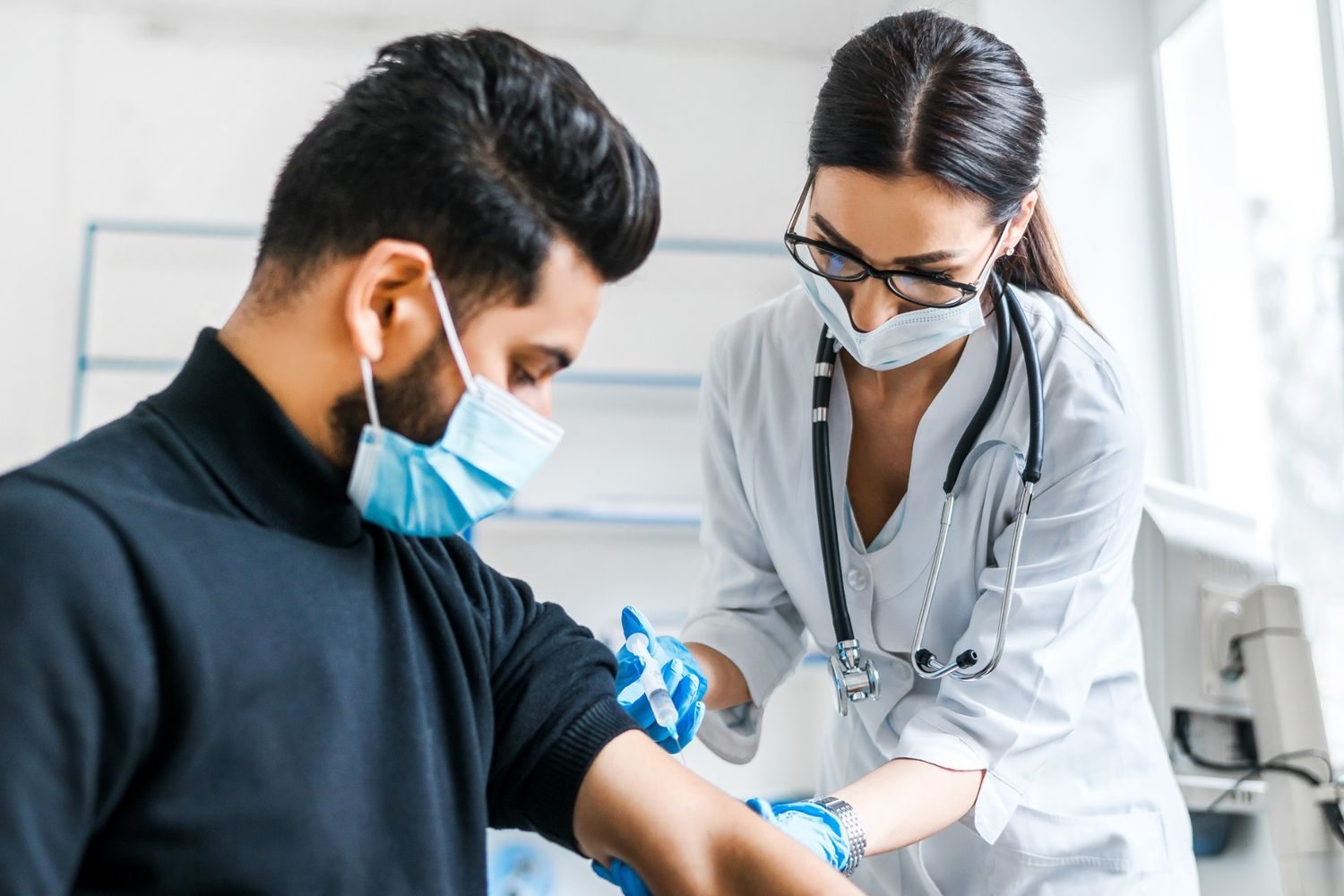
In today’s fast-paced world, many families are turning to home health care services in Bangalore to ensure their loved ones receive quality medical support without leaving the comfort of their homes. Whether it’s post-surgical wound care, managing chronic illnesses, or administering injections, home-based nursing is changing how people access healthcare. These services not only offer medical support but also provide peace of mind by bringing professional care directly to your doorstep.
Why Home Nursing Matters More Than Ever
Home nursing has emerged as a vital part of the healthcare system. With increasing traffic, busy hospital schedules, and the vulnerability of patients—especially the elderly or those recovering from surgeries—receiving care at home has become more convenient and efficient.
Patients often find hospitals overwhelming, noisy, or even unsafe due to the risk of infections. By contrast, care at home offers a familiar, relaxed, and hygienic environment where recovery feels more natural. It also saves time and energy spent traveling to and from medical facilities for routine treatments like wound cleaning or injections.
Personalized Wound Care in a Safe Environment
Wound care is one of the most common services provided by home nurses. Whether a patient has undergone surgery, experienced an injury, or is dealing with chronic ulcers or bedsores, proper wound management is essential. If not treated with care, wounds can become infected, delay healing, or lead to serious complications.
Skilled home nurses are trained to clean, dress, and monitor wounds professionally. They follow strict hygiene practices, use sterile materials, and observe healing progress with attention to detail. In some cases, they also help manage pain and educate family members on how to maintain wound cleanliness between visits.
Receiving wound care at home can greatly speed up the healing process. Patients don’t have to move around unnecessarily, which is especially beneficial for those with mobility issues or pain. Moreover, being treated in a comfortable setting boosts mental well-being, which plays a big role in physical recovery.
Support for Post-Surgical Recovery
Post-operative care doesn’t end when a patient leaves the hospital. In fact, many complications can arise during the recovery period if care is not continued properly. Home-based nursing ensures that surgical wounds are cleaned regularly, stitches or staples are removed safely, and any signs of infection are spotted early.
Nurses also assist with daily activities such as bathing, dressing, and mobility, depending on the patient’s condition. These services are essential, especially in the first few weeks after surgery when patients are weak and dependent.
Doctors often recommend specific medications or injections during this time. Home nurses help with medication reminders, vital sign monitoring, and ensuring the patient follows the recovery plan as instructed.
Chronic Illness Management at Home
Patients living with chronic conditions like diabetes, arthritis, or heart disease need consistent medical attention. Home nurses offer ongoing care that includes routine health checks, lifestyle guidance, and symptom monitoring. This not only helps patients manage their health better but also reduces hospital visits and readmissions.
For diabetic patients in particular, regular foot care, blood sugar monitoring, and insulin injections are crucial. With a nurse available at home, these tasks are managed efficiently and on time, allowing patients to live healthier lives while staying in a familiar environment.
Elderly Care with Compassion
Home-based nursing is especially beneficial for elderly individuals who may be frail or have memory issues. They often need help with medications, physical movement, or basic hygiene. A trained nurse provides gentle, respectful care that supports their dignity and independence.
Besides physical care, the emotional support that nurses provide cannot be understated. Having a regular nurse visit creates trust and companionship, which can significantly reduce loneliness and anxiety in older adults.
Building a Relationship of Trust
One of the lesser-known benefits of home nursing is the bond that often forms between patients and caregivers. Unlike in hospitals, where nurses change frequently, home-based nurses tend to stay consistent. This allows them to understand the patient’s unique needs, preferences, and medical history better.
Such consistency leads to better outcomes because the nurse can observe changes in the patient’s condition and act quickly if something seems off. It also makes the patient feel safer, knowing that someone who understands their situation is looking out for them.
Convenience That Matches Today’s Lifestyle
Today’s families are busy. With work, school, and other commitments, it’s not always possible for family members to take a patient to the hospital for every small treatment. Home nursing fills this gap by ensuring the patient is cared for even when loved ones are unavailable.
Services can be scheduled at convenient times, and many home healthcare providers offer flexible plans. This means families can focus on providing emotional support, while trained professionals handle the medical aspects.
Final Thoughts
The growing popularity of home-based nursing care shows how much people value comfort, safety, and personal attention in healthcare. From cleaning surgical wounds to administering medication, these services allow patients to heal faster, live more independently, and avoid unnecessary hospital visits. With the increasing demand for such services, more families are now opting for professional injection services at home—a practical and reliable solution for managing health with ease.
