

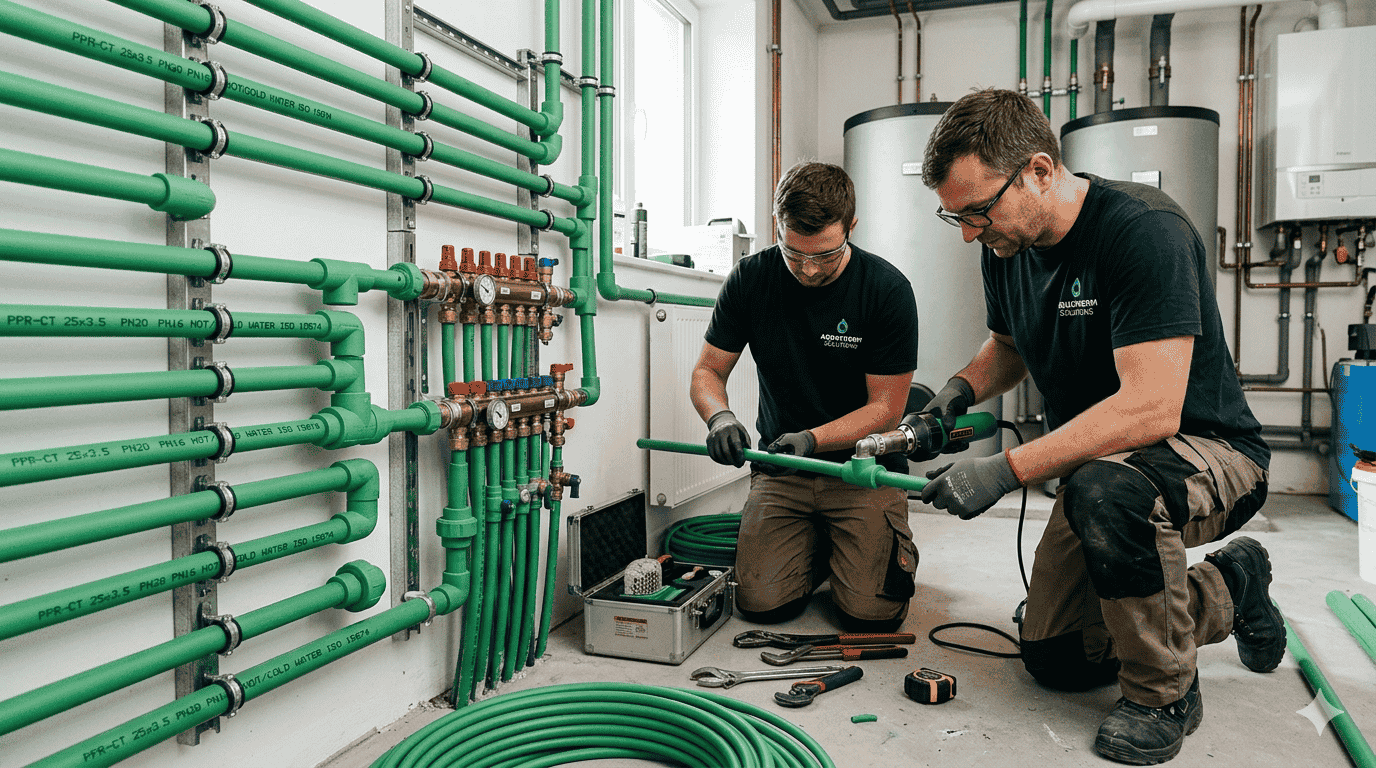
In today’s rapidly evolving construction and infrastructure landscape, pipes and fittings play a crucial role in ensuring efficiency, durability, and safety. Whether it’s residential buildings, commercial complexes, or industrial setups, the right piping system forms the backbone of a reliable water supply and drainage network. With technological advancements and increasing demand for sustainable solutions, choosing the right materials has become more important than ever.
KPT Pipes, known for its commitment to quality and innovation, offers a wide range of advanced piping solutions designed to meet modern needs. This blog explores everything you need to know about pipes and fittings, their types, benefits, and why selecting the right combination can make a significant difference in long-term performance.
What Are Pipes and Fittings?
Pipes are hollow cylindrical structures used to transport liquids, gases, or even solids from one place to another. Fittings, on the other hand, are components used to connect pipes, change direction, control flow, or adapt to different pipe sizes. Together, they create a complete and functional piping system.
From water supply systems to industrial fluid transportation, pipes and fittings ensure smooth operations and structural efficiency. Their role extends beyond simple connectivity—they directly impact durability, maintenance costs, and overall system performance.
Types of Pipes Used in Modern Plumbing
The market today offers a wide variety of pipes, each designed for specific applications. Traditional materials like metal pipes have gradually been replaced by advanced polymer-based options due to their superior performance.
Plastic pipes, especially PPR-based systems, have gained immense popularity because of their resistance to corrosion, lightweight structure, and long lifespan. For instance, ppr c pipes are widely used in hot and cold water systems due to their multi-layer strength and thermal stability. These pipes are engineered to withstand high pressure and temperature variations, making them ideal for both residential and commercial applications.
Similarly, pprc pipes are known for their eco-friendly nature and excellent chemical resistance. Their smooth inner surface prevents scaling and ensures consistent water flow over time.
The Importance of High-Quality Fittings
While pipes carry the flow, fittings ensure that the system works seamlessly. Poor-quality fittings can lead to leakage, pressure loss, and frequent maintenance issues. That’s why investing in high-quality fittings is just as important as selecting the right pipes.
Modern fittings are designed with precision to provide leak-proof connections and easy installation. They come in various forms such as elbows, tees, couplers, reducers, and valves, each serving a specific purpose in the system. High-performance fittings also enhance the overall efficiency of the piping network by maintaining consistent pressure and minimizing disruptions.
Why Choosing the Right Pipes and Fittings Matters
Selecting the appropriate pipes and fittings is not just a technical decision—it directly impacts the longevity and reliability of the entire system. Inferior materials can lead to corrosion, leakage, and structural damage, resulting in costly repairs.
High-quality piping systems offer several advantages. They are resistant to environmental factors, require minimal maintenance, and provide long-term cost savings. Moreover, modern materials like PPR ensure better hygiene, making them suitable for potable water applications.
Another key factor is installation efficiency. Advanced piping systems are designed for easy handling and quick installation, reducing labor costs and project timelines. This makes them an ideal choice for large-scale construction projects where time and precision are critical.
Applications of Pipes and Fittings
Pipes and fittings are used across a wide range of industries and applications. In residential buildings, they are essential for water supply, drainage, and heating systems. In commercial spaces, they support HVAC systems and fire safety installations.
Industrial applications require specialized piping solutions capable of handling high pressure, chemicals, and extreme temperatures. PPR-based systems are particularly suitable for such environments due to their durability and resistance properties.
Agricultural irrigation is another major area where pipes and fittings play a vital role. Efficient water distribution systems help improve crop yield and conserve water resources, making modern piping solutions indispensable in farming practices.
Innovations in Piping Technology
The piping industry has witnessed significant advancements in recent years. Manufacturers like KPT Pipes are continuously innovating to develop products that meet evolving industry standards and environmental requirements.
Multi-layer piping systems, improved jointing techniques, and enhanced material compositions have revolutionized the way piping systems are designed and installed. These innovations not only improve performance but also contribute to sustainability by reducing water wastage and energy consumption.
Smart piping solutions are also emerging, integrating technology to monitor flow, detect leaks, and optimize system efficiency. Such advancements are setting new benchmarks in the construction and infrastructure sectors.
Sustainability and Environmental Benefits
Modern pipes and fittings are designed with sustainability in mind. Materials like PPR are recyclable and have a lower environmental impact compared to traditional metal pipes. Their long lifespan reduces the need for frequent replacements, thereby minimizing waste.
Energy efficiency is another significant advantage. PPR pipes have excellent insulation properties, which help maintain water temperature and reduce energy consumption in heating systems. This makes them an eco-friendly choice for both residential and commercial projects.
Water conservation is also enhanced through leak-proof designs and efficient flow management. By preventing water loss, advanced piping systems contribute to sustainable resource management.
Why Choose KPT Pipes?
KPT Pipes has established itself as a trusted name in the piping industry by delivering high-quality products that meet international standards. Their commitment to innovation, durability, and customer satisfaction sets them apart in a competitive market.
The company offers a comprehensive range of pipes and fittings designed for various applications. From residential plumbing to industrial systems, KPT Pipes ensures reliable performance and long-term value.
Their focus on quality control, advanced manufacturing processes, and continuous research ensures that every product meets the highest standards of excellence. Choosing KPT Pipes means investing in a solution that combines performance, reliability, and sustainability.
Conclusion
Pipes and fittings are more than just components of a plumbing system—they are the foundation of efficient and durable infrastructure. With the growing demand for high-performance and sustainable solutions, modern piping systems have become an essential part of construction projects.
By choosing advanced materials like PPR and investing in high-quality fittings, you can ensure long-lasting performance and minimal maintenance. KPT Pipes continues to lead the way in providing innovative solutions that meet the needs of today’s dynamic environment.
Whether you are planning a residential project or managing a large-scale industrial setup, selecting the right pipes and fittings will make all the difference in achieving efficiency, reliability, and long-term success.
