

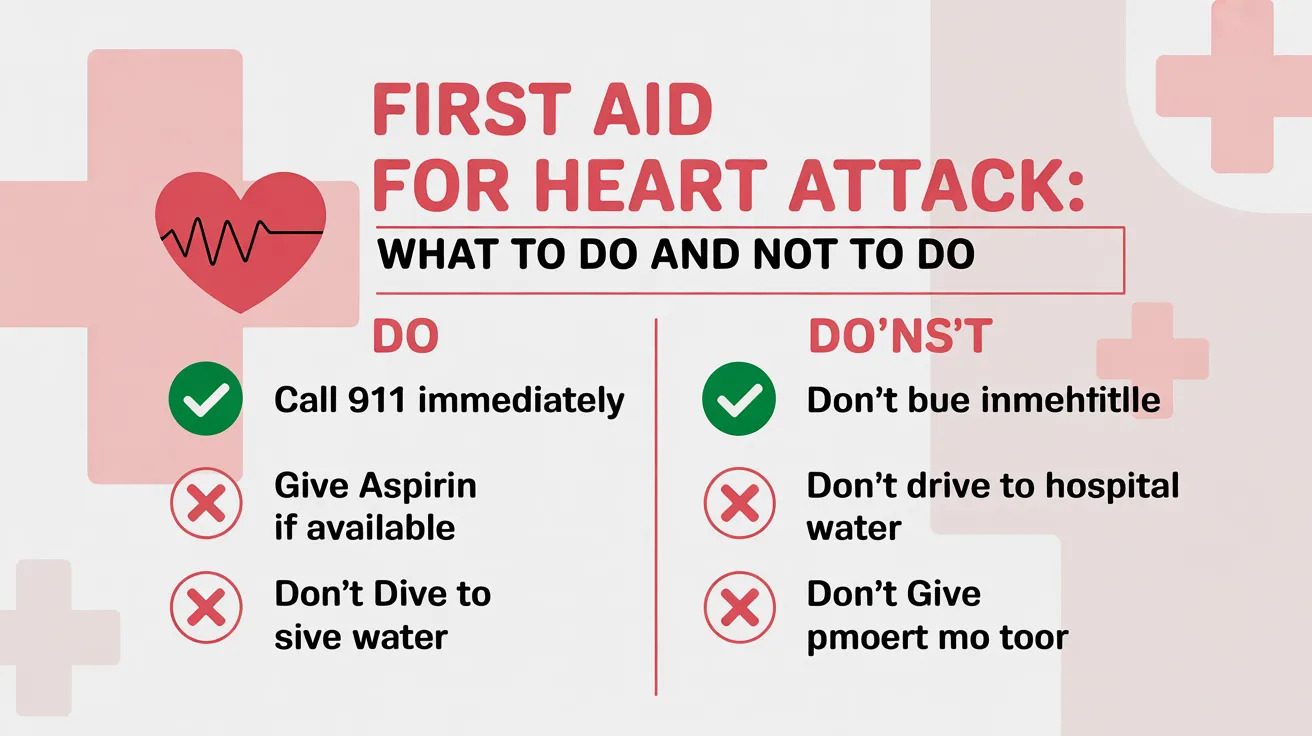
Many people feel scared or unsure when someone has chest pain or heart attack symptoms. Heart attacks require prompt first aid, and a swift emergency response can save lives. This blog will guide readers on first aid for a heart attack, what to do, and what to avoid.
Learn how a heart attack specialist in Hyderabad or a skilled cardiologist in Hyderabad and cardiologist in india can help in these moments.
First Aid for Heart Attack
First aid for a heart attack can save lives. Quick actions make a significant difference in the outcome for the affected person.
Call for emergency medical assistance
Act quickly and call for emergency medical assistance if someone shows signs of a heart attack. Symptoms often include chest pain, shortness of breath, or discomfort in the arms, back, jaw, or stomach.
Speed is crucial during this time. The faster emergency response teams arrive, the better the chance of survival.
While waiting for help to arrive, keep an eye on the person’s condition. Staying calm can make a difference. If prescribed medication like aspirin or nitroglycerin is available and the person is conscious, assist them with it as directed by their healthcare provider.
Emergency services will provide necessary medical assistance upon arrival; every second counts in these situations.
Monitor the person’s condition
Monitoring the person’s condition during a heart attack is crucial. Watch for any changes in symptoms. Look for chest pain, shortness of breath, or sweating. These signs can indicate worsening conditions.
Keep talking to the person to assess their alertness and comfort level.
Stay calm and reassure them while waiting for emergency medical help. Encourage deep breaths if they are feeling anxious or panicky. If the individual takes prescribed medication, assist them as needed.
Your attentive observation provides vital information for medical responders when they arrive on scene.
Help the person take medication if prescribed
After monitoring the person’s condition, assist them with any prescribed medication. Some heart attack victims may need to take aspirin quickly. Aspirin helps thin the blood and can improve blood flow.
If they have a prescribed medication like nitroglycerin or other heart drugs, help them follow their doctor’s instructions.
Ensure that the person takes only their own medications. Do not give them anything not approved by a medical professional. Offering unapproved substances could worsen their situation.
Getting medical assistance remains crucial during this time. Always prioritize calling emergency services while you manage their care.
What Not to Do During a Heart Attack
During a heart attack, the person should not wait to get help. They must avoid eating or drinking anything until medical professionals arrive.
Do not delay seeking help
Time is critical during a heart attack. Calling for emergency medical assistance should happen immediately. Delays can worsen the situation and increase risks. The sooner help arrives, the better chances of survival become.
Do not wait to see if symptoms improve on their own. Chest pain or discomfort often signals a serious issue. Medical professionals can provide necessary treatment quickly, which may include CPR or using a defibrillator.
Taking action without delay saves lives during cardiac arrest situations.
Do not give the person anything to eat or drink
During a heart attack, do not give the person anything to eat or drink. Food and beverages can complicate medical treatment. They may cause choking if the person loses consciousness.
Offering these items could also interfere with necessary procedures performed by emergency responders.
Focus on providing comfort while waiting for help. Monitor their condition closely and take note of any changes in symptoms. Avoid distractions that might delay getting them medical assistance.
Stay calm, as your presence can be reassuring during this critical time.
You can also read this:- Heart attack in young patients: 7 Major Reasons
Do not perform CPR unless you are trained and authorized to do so
Performing CPR requires proper training and authorization. This skill can save a life, but doing it incorrectly can cause harm. The American Heart Association advises only those trained in CPR to act during an emergency.
Without that training, the person might not deliver effective compressions or breaths.
In a heart attack situation, waiting for emergency medical help is crucial. Help often arrives quickly and brings trained professionals with the necessary equipment. Using an Automated External Defibrillator (AED) may be important if available.
Untrained bystanders should focus on calling 911 and monitoring symptoms until help arrives.
