

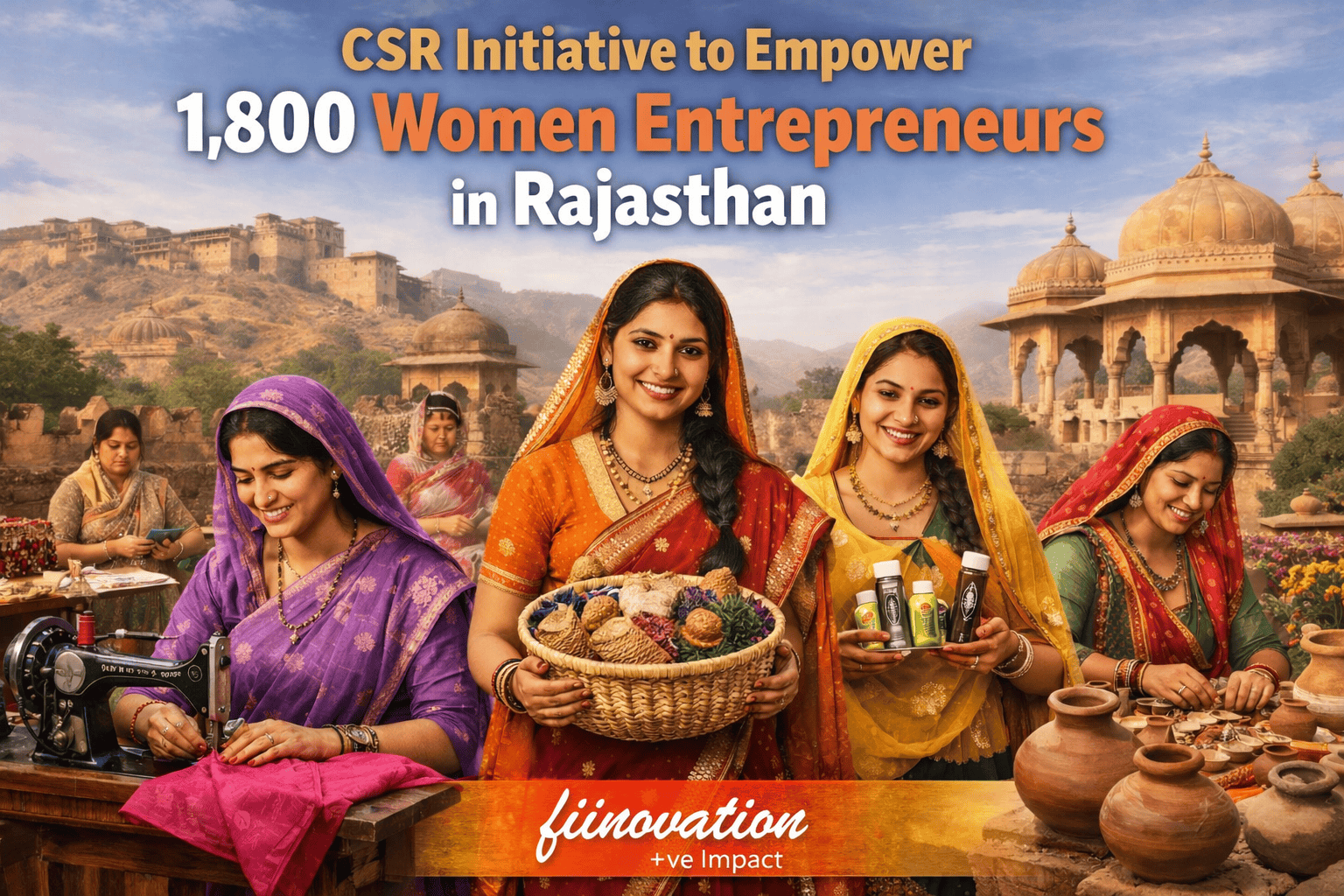
In a significant step toward promoting inclusive growth and women-led development, Vedanta Limited has launched a Corporate Social Responsibility (CSR) initiative aimed at empowering 1,800 women entrepreneurs in Rajasthan. As highlighted in Fiinovation CSR News , this program reflects a growing emphasis on gender equality, economic independence, and sustainable livelihoods through targeted CSR interventions.
Women entrepreneurship has emerged as a powerful driver of socio-economic transformation in India. However, many women, especially in rural and semi-urban regions, continue to face barriers such as limited access to finance, lack of skills, and restricted market opportunities. Recognizing these challenges, Vedanta’s CSR initiative seeks to provide comprehensive support to women entrepreneurs by focusing on capacity building, financial inclusion, and market linkage development.
The program aligns with the broader framework established under the Companies Act, 2013, which mandates companies to allocate a portion of their profits toward CSR activities. Over the years, this regulation has encouraged corporates to invest in initiatives that create long-term social impact. Vedanta’s focus on women entrepreneurship demonstrates how CSR can be leveraged to address critical development challenges while fostering inclusive growth.
At the core of this initiative is skill development. The program aims to equip women with practical skills in areas such as handicrafts, agriculture-based enterprises, small-scale manufacturing, and service-oriented businesses. By providing training tailored to local needs and resources, the initiative ensures that women can build sustainable enterprises that generate steady income.
In addition to skill development, access to finance is a key component of the program. Many aspiring women entrepreneurs struggle to secure funding due to lack of collateral or financial literacy. Vedanta’s initiative addresses this gap by facilitating access to microfinance, self-help groups (SHGs), and other financial support mechanisms. This enables women to start or expand their businesses with greater confidence and stability.
Market linkage is another critical aspect of the program. Creating a product is only one part of the entrepreneurial journey; accessing markets and customers is equally important. The initiative aims to connect women entrepreneurs with local and national markets, helping them showcase and sell their products more effectively. This not only increases their income potential but also enhances their visibility and credibility.
Organizations like Fiinovation have consistently emphasized the importance of structured CSR strategies that focus on measurable impact and sustainability. Vedanta’s initiative reflects these principles by incorporating monitoring and evaluation mechanisms to track progress and outcomes. This ensures that the program delivers tangible benefits and contributes to long-term development goals.
The initiative also promotes the formation and strengthening of community-based institutions such as self-help groups and cooperatives. These collective structures provide a support system for women entrepreneurs, enabling them to share resources, knowledge, and experiences. They also enhance bargaining power and create opportunities for collaborative growth.
From a broader perspective, empowering women entrepreneurs has far-reaching benefits for society. Increased income levels contribute to improved living standards, better education for children, and enhanced healthcare access. Moreover, women-led businesses often reinvest in their communities, creating a multiplier effect that drives local development.
The program is particularly relevant for Rajasthan, where many rural communities depend on traditional livelihoods and face economic uncertainties. By introducing entrepreneurial opportunities and modern business practices, the initiative can help diversify income sources and reduce dependency on seasonal or low-paying work.
Another important dimension of the initiative is its alignment with global sustainability goals, including gender equality and economic empowerment. Corporates are increasingly integrating Environmental, Social, and Governance (ESG) principles into their CSR strategies , and programs like this contribute directly to these objectives. By supporting women entrepreneurs, Vedanta is not only fulfilling its CSR obligations but also strengthening its commitment to responsible business practices.
Technology integration is expected to play a role in enhancing the effectiveness of the program. Digital tools for training, financial transactions, and marketing can help women entrepreneurs overcome geographical barriers and access wider opportunities. Digital literacy initiatives can further empower participants to leverage online platforms for business growth.
However, the success of such initiatives depends on continuous support and stakeholder collaboration. Partnerships with local NGOs, government agencies, and community leaders are essential to ensure effective implementation and outreach. Capacity building efforts must be sustained to help women adapt to changing market dynamics and scale their businesses.
Fiinovation CSR News highlights that initiatives like Vedanta’s are crucial in addressing the gender gap in entrepreneurship. By providing holistic support—from skill development to market access—such programs create an enabling environment where women can thrive as entrepreneurs and leaders.
In conclusion, Vedanta’s CSR initiative targeting 1,800 women entrepreneurs in Rajasthan represents a significant step toward inclusive and sustainable development. As emphasized in Fiinovation CSR News , the program not only empowers women economically but also contributes to broader social transformation. By fostering entrepreneurship, enhancing skills, and creating market opportunities, the initiative has the potential to uplift communities and drive long-term impact. With continued commitment and collaboration, such efforts can play a vital role in building a more equitable and resilient society.
