

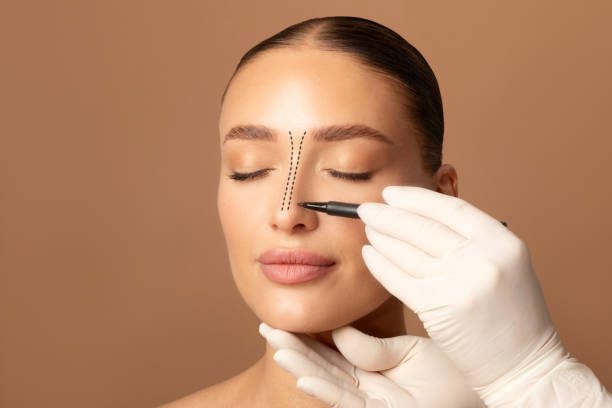
Undergoing Rhinoplasty Surgery in Riyadh (عملية تجميل الأنف في الرياض)is a significant step toward enhancing your facial appearance and improving nasal functionality. However, the journey does not end with the surgery itself. Proper postoperative care is crucial for a smooth recovery and achieving optimal results. This blog will guide you through the essential aspects of care after rhinoplasty, helping you understand what to expect and how to take care of yourself during the healing process.
Understanding the Importance of Postoperative Care
After rhinoplasty, your nose undergoes physical changes that require time to heal. Proper postoperative care minimizes complications, reduces discomfort, and ensures the surgical improvements settle correctly. Neglecting this phase can lead to issues such as swelling, bruising, infection, or even unsatisfactory aesthetic outcomes. Recognizing the importance of this phase is the first step toward a successful recovery.
Managing Swelling and Bruising Effectively
Swelling and bruising are natural responses after any surgery, especially rhinoplasty, due to tissue manipulation around the nose. Applying cold compresses gently around the eyes and nose during the initial 48 hours can significantly reduce swelling and discomfort. Elevating the head while resting or sleeping also helps promote drainage and minimizes puffiness. Avoiding strenuous activities during this period is vital to avoid aggravating swelling.
Nasal Care and Hygiene Practices
Keeping your nose clean without disturbing the surgical site is essential. Typically, patients are advised to avoid blowing their noses for at least a week to prevent pressure on healing tissues. Instead, saline sprays can be used to keep the nasal passages moist and clear of debris. Carefully following your surgeon’s instructions regarding nasal cleaning helps prevent infections and supports smooth healing.
Protecting the Nose from Trauma and Sun Exposure
Your nose will be delicate after surgery, making it vulnerable to accidental bumps or pressure. Avoid wearing glasses or sunglasses that rest on the bridge of the nose until your doctor advises otherwise. Additionally, sun protection is vital because the skin around the nose may be sensitive and prone to discoloration during healing. Use a broad-spectrum sunscreen and limit direct sun exposure to promote even skin tone and avoid scars becoming noticeable.
Following Dietary and Hydration Recommendations
Good nutrition plays a supporting role in tissue repair and overall recovery. Staying hydrated helps decrease swelling and flush out toxins from the body. Consuming a balanced diet rich in vitamins, minerals, and proteins accelerates healing. It’s advisable to avoid foods that may induce inflammation or cause discomfort, such as excessively salty or spicy meals.
Monitoring for Signs of Complications
Being vigilant about potential complications can save you from prolonged recovery or additional interventions. Common symptoms to watch for include excessive bleeding, severe pain not relieved by medications, unusual discharge, or signs of infection like redness and fever. Promptly consulting your healthcare provider if such issues arise ensures timely management.
Adapting to Lifestyle Changes During Recovery
Adjusting daily habits after Rhinoplasty Surgery in Riyadh is necessary to protect your healing nose. Avoid heavy lifting, bending over, or vigorous exercise for a few weeks to prevent increased blood pressure in the nasal area. Sleep with your head elevated on two or more pillows to reduce swelling. Resisting the urge to touch or rub your nose will decrease the risk of injury.
When to Resume Normal Activities and Makeup Use
Most patients can gradually return to light activities after the first two weeks, but it varies based on individual healing pace. Makeup application around the nose should be avoided until the skin is fully healed to prevent irritation or infection. Your surgeon will guide you on specific timelines to resume normal skincare routines and outdoor activities safely.
The Role of Follow-Up Visits in Successful Healing
Scheduled follow-up appointments allow your surgeon to monitor your progress, remove splints or stitches if necessary, and address any concerns. These visits are critical for ensuring that the nose is healing as expected and to intervene early if any abnormalities occur. Maintaining open communication with your healthcare provider contributes to a more comfortable recovery experience.
Emotional and Psychological Considerations Post Surgery
It is common to experience heightened emotions or impatience during recovery. Swelling may temporarily distort the final results, which can cause anxiety. Understanding that healing takes time helps manage expectations. Support from friends, family, or counselors can also be beneficial for maintaining a positive mindset throughout the process.
Frequently Asked Questions
1. How long does swelling typically last after rhinoplasty?
Swelling can last several weeks and sometimes up to a year for minor residual puffiness. However, most noticeable swelling subsides within the first two to three weeks.
2. Can I sleep on my side after rhinoplasty surgery?
It’s best to sleep on your back with your head elevated to avoid pressure on the nose, especially during the initial weeks of recovery.
3. When is it safe to wear glasses again after rhinoplasty?
Generally, patients should avoid wearing glasses resting on the nose for at least 4 to 6 weeks, but your surgeon will provide specific advice based on your healing.
4. What activities should I avoid during recovery?
Heavy lifting, rigorous exercise, bending over, and any activity that may risk trauma to the nose should be avoided until your surgeon confirms it’s safe.
5. How can I control pain after rhinoplasty surgery?
Pain is typically mild and managed with prescribed medications. Cold compresses and rest also help alleviate discomfort.
6. Is it normal to feel emotional or anxious post-surgery?
Yes, emotional fluctuations are common due to physical changes and healing duration. Patience and support can ease this adjustment period.
