

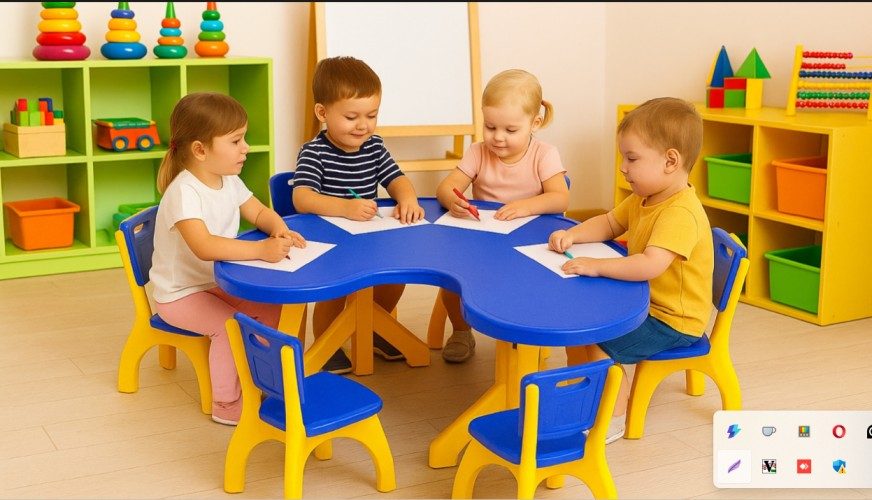
In a classroom, children spend hours sitting, writing, reading, and engaging in activities that require focus. While teaching methods and curriculum are often prioritized, one crucial factor is sometimes overlooked, play school furniture. Specifically, the height of desks and chairs plays a major role in shaping a child’s posture, comfort, and overall well-being.
Ergonomic school furniture is not just about design; it is about creating a learning environment that supports healthy physical development. The correct desk height can significantly impact how children sit, learn, and grow.
What Is Ergonomic School Furniture?
Ergonomic school furniture is designed to match the natural posture and body proportions of children. It ensures that desks and chairs are comfortable, supportive, and suitable for different age groups.
Unlike standard furniture, ergonomic designs consider:
- Proper sitting posture
- Height alignment between desk and chair
- Comfort during long study hours
- Reduced strain on the body
When children use well-designed school furniture, they are less likely to experience discomfort or fatigue during classroom activities.
Why Desk Height Matters for Children
Desk height might seem like a small detail, but it directly affects how a child sits and writes. If the desk is too high or too low, children are forced into awkward positions that can harm their posture over time.
When the Desk Is Too High:
- Shoulders may lift unnaturally
- Arms remain raised, causing strain
- Neck bends forward excessively
When the Desk Is Too Low:
- Children hunch over the desk
- Back curves improperly
- Increased pressure on the spine
Over time, these habits can lead to poor posture, discomfort, and even long-term health issues.
The Ideal Sitting Position for Students
Correct desk height supports a natural and healthy sitting posture. Ideally, when seated:
- Feet should rest flat on the floor
- Knees should form a 90-degree angle
- Back should remain straight and supported
- Elbows should align comfortably with the desk surface
This alignment allows children to write, read, and participate in activities without straining their muscles.
Good ergonomic school furniture helps maintain this posture effortlessly, reducing the need for constant adjustments.
Impact on Posture and Spinal Health
Children are still growing, which makes posture especially important during their early years. Incorrect seating can lead to habits that affect spinal alignment.
Using properly sized desks and chairs helps:
- Maintain a natural spine curve
- Prevent slouching and hunching
- Reduce back and neck pain
- Support healthy growth
When children consistently use the right school furniture, they develop better posture habits that can last a lifetime.
Improving Focus and Classroom Performance
Comfort plays a big role in learning. When children are uncomfortable, they tend to shift positions frequently, lose focus, and become distracted.
Correct desk height contributes to:
- Better concentration
- Reduced physical discomfort
- Improved handwriting and task performance
- Longer attention span
Ergonomic school furniture creates a stable and comfortable learning environment where children can focus on their tasks without unnecessary interruptions.
Supporting Different Age Groups
One common mistake in classrooms is using the same furniture for all age groups. Children grow quickly, and their furniture should grow with them.
For example:
- Preschool children need smaller, lower desks
- Primary school students require medium-height furniture
- Older students need larger and more supportive setups
Adjustable or age-specific school furniture ensures that every child gets the right support according to their size and needs.
Role of Chairs Along with Desk Height
While desk height is important, it works hand in hand with chair design. A well-designed chair supports the back and aligns properly with the desk.
Key features to look for:
- Proper seat height
- Backrest support
- Stable and sturdy base
- Lightweight yet durable design
Together, desks and chairs create a complete ergonomic setup that promotes healthy posture.
Long-Term Benefits of Ergonomic Furniture
Investing in ergonomic school furniture offers benefits beyond immediate comfort. It contributes to long-term health and development.
Some key advantages include:
- Reduced risk of posture-related issues
- Improved physical comfort during study hours
- Better classroom engagement
- Enhanced overall learning experience
Schools that prioritize ergonomic furniture show a commitment to student well-being and quality education.
Choosing the Right School Furniture
When selecting school furniture, schools and parents should focus on:
- Age-appropriate sizing
- Smooth edges and safe design
- Durable and easy-to-clean materials
- Lightweight and flexible structures
Reliable brands like OK Play India offer thoughtfully designed school furniture that supports comfort, safety, and long-term use in classrooms.
Conclusion
The importance of ergonomic school furniture goes far beyond appearance. The correct desk height plays a critical role in shaping children’s posture, comfort, and learning ability.
By choosing the right school furniture, schools can create an environment where children sit comfortably, focus better, and develop healthy posture habits from an early age.
A small adjustment in desk height can make a big difference in how children learn and grow—proving that the right furniture truly supports the foundation of education.
