

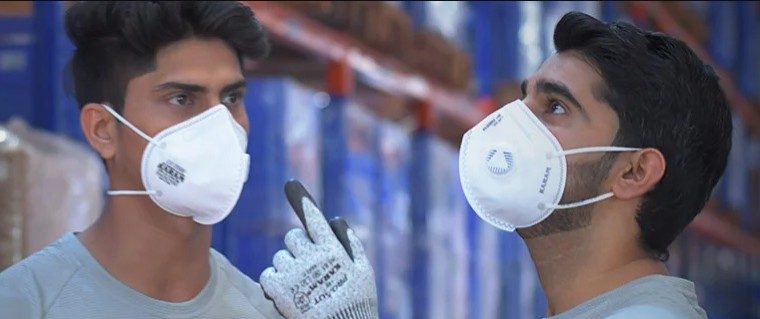
In the fast-paced realms of industry and construction, air quality often remains an overlooked hazard. From dust and chemical vapours to microscopic particulates, these unseen adversaries pose serious long-term risks. Enter the breathing respirator, a crucial ally in maintaining worker wellness and productivity. We will explore how to choose the right respirator, ensure proper usage, and unlock the full benefits of respiratory protection for a safer workplace.
Why a Breathing Respirator Matters More Than Ever?
In environments where airborne contaminants are prevalent, a breathing respirator does more than offer temporary comfort; it provides a frontline defence against respiratory illnesses and long-term damage. Whether you’re dealing with welding fumes, silica dust, or harsh chemical gases, the right respirator filters out harmful agents, preserving lung health, so essential for long-term performance and well-being.
Choosing the Proper Breathing Respirator for Your Needs
Selecting an effective breathing respirator isn’t one-size-fits-all. It depends on the nature of the contaminant and the desired level of protection:
- Disposable Filtering Facepiece Respirators (e.g., FFP1, FFP2, FFP3): Ideal for low- to moderate-risk particulates like sawdust and fine dust. Karam’s RFH02 disposable respirator ensures easy, safe breathing for extended periods, a great fit for general-use scenarios.
- Half-Mask and Full-Face Respirators: Equipped with replaceable cartridges, these offer protection against solvents, gases, and aerosols. The full-face variant adds eye protection, key in welding or chemical environments.
- Powered Air-Purifying Respirators (PAPRs): These battery-powered systems provide airflow into your respirator, reducing breathing resistance and offering additional comfort and protection during long shifts or unpleasant atmospheres.
Choosing a breathing respirator involves matching its protection level to hazards in your work environment, not just for safety, but for compliance and morale.
Ensuring Maximum Effectiveness: Fit, Maintenance & Training
Even the most advanced breathing respirator won’t deliver full protection unless properly fitted and maintained. Here’s how to guarantee effectiveness:
- Conduct Fit Testing: A proper seal between the respirator and face is essential. Inadequate fit undermines filtration and places workers at risk.
- Regular Inspection and Replacement: Check for wear, cartridge expiry, or broken parts. Clean reusable models per manufacturer guidelines and replace filters on schedule.
- Comprehensive Training: Users need to understand when and how to wear their breathing respirator, how to judge functional integrity, and how to handle emergencies, especially if visibility or mobility is affected.
Effective training and strict maintenance routines not only enhance safety but also increase trust and confidence among workers.
Enhancing Comfort and Compliance
Comfort is a critical factor in ensuring workers consistently wear a breathing respirator:
- Balance Protection & Comfort: PAPRs offer excellent protection with airflow assistance, but they can be bulky. Lightweight masks like Karam’s RFH02 are better for short-term or lower-risk tasks.
- Keep Things Manageable on Long Shifts: Periodic breaks to relax from wearing the respirator can reduce fatigue. Teams should select models that suit the duration and nature of the work.
- Invest in Ergonomic Design: Headgear, soft seals, adjustable straps, and low breathing resistance all contribute to long-term wearability and ultimately to worker adherence.
A breathing respirator is more than just safety equipment; it’s the gateway to preserving employee health, ensuring regulatory compliance, and bolstering workplace morale. When you select the right type, ensure a proper fit, maintain it diligently, and prioritise user comfort, you’re investing in both welfare and productivity. With reliable products and thoughtful implementation, Karam Online helps businesses safeguard their teams.
