

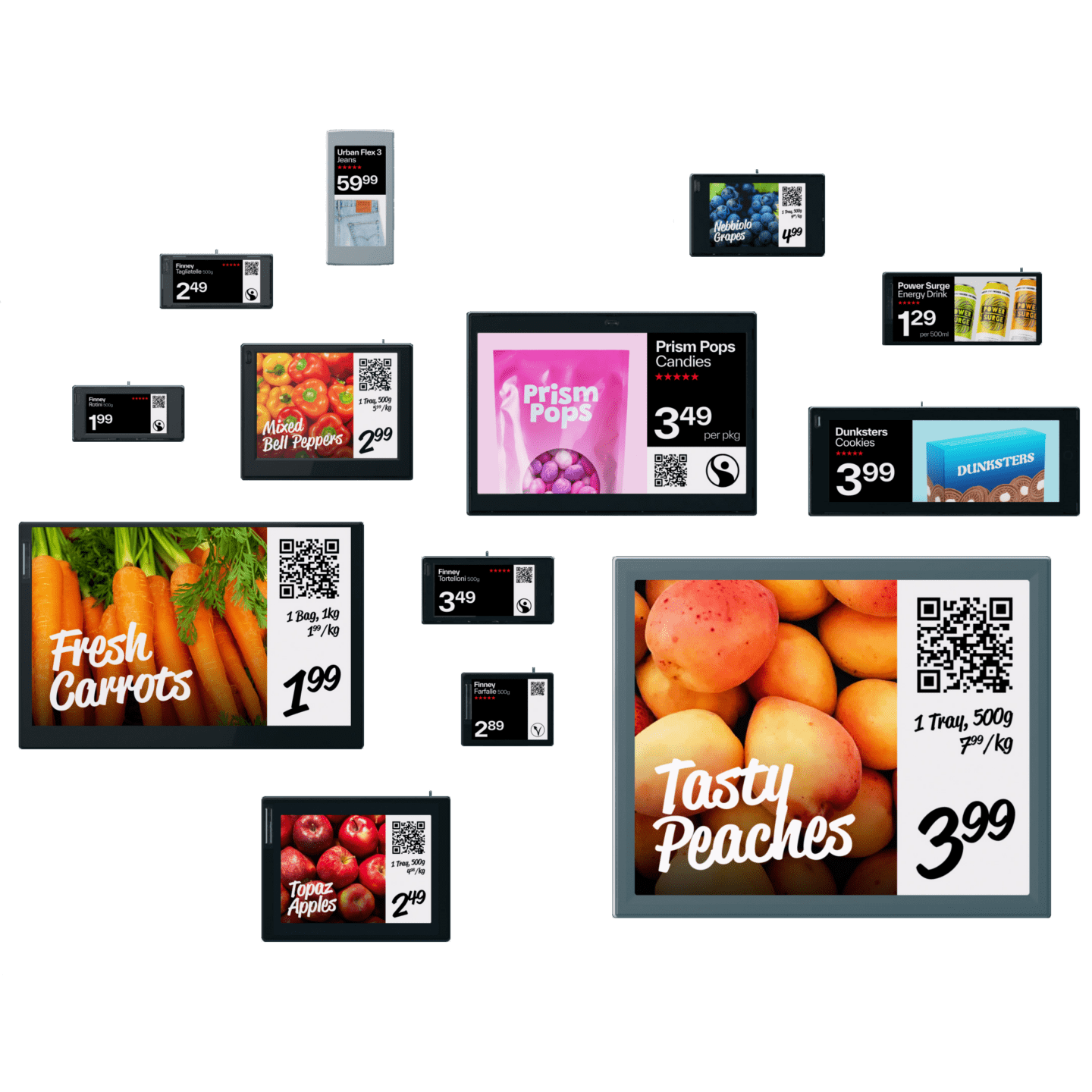
Understanding Electronic Shelf Tags
Retail stores are changing faster than ever before. Walk into a modern supermarket today, and you may notice small digital displays replacing traditional paper price tags. These digital displays are called Electronic Shelf Labels (ESLs) or electronic shelf tags. They are quietly transforming the way retailers manage prices, inventory, and customer experiences. While paper labels once dominated store aisles, retailers now prefer digital systems that update instantly and reduce manual work.
Electronic shelf tags use wireless communication technology to display product information in real time. Instead of employees manually replacing thousands of paper tags every week, store managers can update prices across multiple locations with a few clicks. That level of flexibility changes everything. Retailers can react to market trends, competitor pricing, stock levels, and customer demand almost instantly. It feels similar to how airlines and hotels adjust prices dynamically every day.
The growth of this technology is happening rapidly worldwide. According to market research, the global Electronic Shelf Label market was valued at more than USD 2 billion in 2025 and is projected to grow significantly during the next decade. Some reports estimate annual growth rates above 15%. Retailers are investing heavily because they see ESLs as a direct path toward automation, operational efficiency, and smarter pricing strategies.
Consumers are also becoming more comfortable with digital retail experiences. Online shopping already introduced shoppers to constantly changing prices. Now, physical stores are adopting similar flexibility. Electronic shelf tags bridge the gap between e-commerce convenience and traditional retail shopping. They bring speed, accuracy, and intelligence into physical stores without sacrificing customer engagement.
What Are Electronic Shelf Labels (ESLs)?
Electronic Shelf Labels are small digital displays attached to store shelves. They usually use e-paper or LCD technology to display prices, product descriptions, QR codes, and promotional information. These labels connect wirelessly to a central management system that controls updates throughout the store.
Unlike printed labels, ESLs can change instantly. A retailer can update thousands of prices across several branches within minutes. This capability eliminates human errors caused by manual pricing changes. It also ensures consistency between shelf prices and checkout systems.
Many ESL systems now support advanced features. Some displays show product reviews, nutritional information, or stock availability. Others integrate with mobile apps and loyalty programs. As retail technology evolves, electronic shelf tags are becoming interactive communication tools instead of simple price displays.
How ESL Technology Works in Retail Stores
Electronic shelf labels operate through wireless communication networks such as radio frequency (RF), infrared, or Bluetooth Low Energy. A central server sends pricing updates directly to the digital labels installed throughout the store.
The process is surprisingly simple. Retail managers use pricing software connected to inventory and sales systems. Once a price adjustment is approved, the information automatically syncs with the shelf labels. The update appears almost instantly without requiring staff to print or replace paper tags manually.
This automation saves countless working hours every week. Large supermarkets often manage tens of thousands of products. Updating paper labels manually takes enormous effort and increases the risk of mistakes. ESL systems remove that burden while improving operational efficiency.
The Rise of Dynamic Pricing in Modern Retail
Dynamic pricing is no longer limited to airlines, ride-sharing apps, or hotel bookings. Retail stores now use flexible pricing models to stay competitive in a fast-moving market. Electronic shelf tags make this possible by enabling real-time price adjustments inside physical stores.
Retail competition has become incredibly intense. Online marketplaces can change prices several times per day based on demand and competitor activity. Physical retailers face pressure to respond just as quickly. ESL systems provide the technological backbone needed for that responsiveness.
Recent industry reports show that nearly 48% of retail professionals worldwide plan to invest in electronic shelf labels as part of their retail modernization strategies. Major retailers such as Walmart, Kroger, and ASDA have already expanded ESL deployments across hundreds or thousands of stores.
Still, dynamic pricing creates debates among consumers and regulators. Some shoppers worry retailers may use digital labels to raise prices unfairly during high demand periods. Legislators in cities like New York and states such as Maryland have already proposed restrictions on certain types of algorithmic pricing. This conversation continues to shape how retailers deploy dynamic pricing technologies.
Why Retailers Are Moving Toward Real-Time Pricing
Retailers operate in an environment where prices change constantly. Supply chain disruptions, seasonal demand, competitor discounts, and inflation all influence pricing decisions daily. Electronic shelf tags allow stores to respond immediately instead of waiting days for manual updates.
Think about grocery stores during holiday seasons. Demand for certain products spikes suddenly. Retailers using ESLs can adjust promotions, discounts, or pricing strategies instantly. They can also reduce prices on perishable products approaching expiration dates, helping minimize food waste.
Real-time pricing also helps stores remain competitive against online giants. If a competitor lowers prices, retailers can react quickly without sending employees aisle by aisle replacing paper labels manually. Speed has become a critical advantage in modern retail.
Consumer Expectations in the Digital Shopping Era
Modern consumers expect convenience everywhere. They compare prices online while standing inside physical stores. They look for accurate product information and personalized promotions. Electronic shelf tags help retailers meet those expectations more effectively.
Shoppers also appreciate pricing transparency. Digital labels reduce mismatches between displayed prices and checkout totals. Nobody enjoys discovering unexpected pricing errors at the cash register. ESL systems help maintain consistency across the shopping experience.
Some advanced electronic shelf tags even display QR codes linking to product videos, reviews, and sustainability information. This interactive shopping experience blends digital convenience with physical retail browsing.
Key Benefits of Electronic Shelf Tags
Electronic shelf labels deliver benefits far beyond price updates. They improve efficiency, reduce costs, support sustainability, and create smarter retail environments. For large retailers managing thousands of SKUs, those advantages quickly translate into measurable financial gains.
One major benefit involves labor savings. Employees spend countless hours printing, organizing, and replacing paper labels. ESL systems automate that process almost entirely. Staff can focus on customer service, inventory management, and merchandising instead of repetitive administrative tasks.
Retailers also benefit from better pricing accuracy. Human mistakes happen frequently during manual updates. Incorrect labels lead to customer complaints, checkout delays, and compliance issues. Digital systems eliminate much of that risk through centralized automation.
Here’s a quick comparison between traditional labels and electronic shelf tags:
Electronic shelf labels offer several advantages compared to traditional paper pricing systems. Paper labels require manual updates, which consume time and increase the risk of human error. In contrast, electronic shelf tags update automatically through centralized software systems. They also support real-time pricing adjustments, helping retailers respond quickly to market changes and customer demand. Unlike paper labels, ESL systems reduce paper waste and support sustainability initiatives. Many electronic shelf labels also provide interactive features such as QR codes, promotional displays, and product information, creating a more engaging shopping experience for customers.
Retail chains often manage hundreds of locations simultaneously. Coordinating price changes manually across all stores becomes extremely difficult. ESL technology simplifies that process dramatically.
Managers can launch promotions nationwide within minutes. Seasonal discounts, flash sales, and inventory clearances become easier to execute. This speed creates agility that traditional systems simply cannot match.
Improved Pricing Accuracy and Reduced Errors
Pricing errors frustrate customers and damage trust. Electronic shelf tags synchronize directly with checkout databases, reducing inconsistencies between shelf and register prices.
Accurate pricing also improves regulatory compliance. Many regions require retailers to honor displayed prices, even if errors occur. ESL systems help businesses avoid costly disputes and penalties.
Lower Labor Costs and Better Staff Productivity
Labor shortages continue affecting retail businesses worldwide. Automation tools like ESLs help retailers operate efficiently with leaner teams.
Instead of replacing labels manually, employees can focus on customer engagement and store operations. That shift improves productivity while enhancing the shopping experience.
The Role of AI and IoT in ESL Systems
Artificial Intelligence and the Internet of Things are pushing ESL technology even further. Modern retail stores now function like interconnected ecosystems where pricing, inventory, and customer behavior communicate constantly.
AI-driven systems analyze sales trends, competitor pricing, weather patterns, and shopping behaviors to recommend pricing strategies. IoT-connected shelf labels update instantly based on those insights.
Some retailers now use ESLs alongside smart sensors and computer vision technology. Together, these systems monitor inventory levels automatically. If stock runs low, pricing strategies can adjust immediately to optimize sales and profitability.
Academic research also shows growing interest in AI-powered retail pricing systems. Advanced machine learning models are being developed to improve price optimization while maintaining stability and fairness.
Challenges and Concerns Around Electronic Shelf Tags
Despite their advantages, electronic shelf tags also raise concerns. Consumers worry about transparency and fairness in dynamic pricing. Some fear retailers could raise prices too frequently or unpredictably.
Interestingly, recent research examining grocery stores using ESLs found little evidence of widespread surge pricing. One study showed temporary price increases affected only a tiny fraction of products after ESL adoption. Still, skepticism remains strong among shoppers and lawmakers.
Retailers also face upfront investment costs. Installing ESL infrastructure across large stores requires significant spending on hardware, networking, and software integration. Small retailers may hesitate due to these initial expenses.
Cybersecurity is another growing concern. Connected retail systems must protect sensitive pricing and operational data from cyber threats. As smart stores become more connected, securing those systems becomes increasingly important.
The Future of Electronic Shelf Labels
The future of retail looks undeniably digital. Electronic shelf tags are becoming central to smart store strategies worldwide. Market forecasts suggest continued rapid growth as retailers prioritize automation, efficiency, and sustainability.
Sustainability plays a major role in this transition. Paper labels generate enormous waste every year. ESL systems reduce paper consumption significantly while lowering operational costs. Retailers seeking greener operations increasingly view ESL adoption as part of their environmental strategies.
Future electronic shelf tags may become even more interactive. Imagine walking through a grocery aisle where labels personalize promotions based on loyalty memberships or dietary preferences. Some stores already experiment with AI-driven recommendations and location-based offers.
Retail environments are evolving into intelligent ecosystems where shelves, pricing systems, inventory platforms, and customer apps work together seamlessly. Electronic shelf labels serve as one of the foundational technologies powering that transformation.
Conclusion
Electronic shelf tags are reshaping modern retail from the ground up. They bring speed, automation, accuracy, and flexibility into physical stores. Retailers can now respond to market conditions instantly while improving operational efficiency and reducing labor-intensive tasks.
Dynamic pricing remains a sensitive topic, yet electronic shelf labels offer undeniable advantages when implemented responsibly. They help retailers stay competitive, reduce waste, and create smarter shopping experiences for customers.
The retail industry continues moving toward connected, data-driven environments. Electronic shelf labels are no longer futuristic experiments. They are rapidly becoming standard tools for modern retail success.
FAQs
1. What are electronic shelf tags used for?
Electronic shelf tags display product prices and information digitally. Retailers use them for real-time pricing updates, promotions, and inventory management.
2. Do electronic shelf labels support dynamic pricing?
Yes, ESL systems allow retailers to adjust prices instantly based on demand, competition, inventory levels, or promotional strategies.
3. Are electronic shelf labels expensive to install?
Initial setup costs can be high, especially for large retail stores. However, many retailers recover costs through labor savings and operational efficiency.
4. Do electronic shelf tags reduce pricing errors?
Yes, ESL systems synchronize directly with checkout databases, reducing mismatches between shelf prices and register prices.
5. Which industries use electronic shelf labels the most?
Supermarkets, grocery stores, pharmacies, electronics retailers, and convenience stores are among the biggest adopters of ESL technology.
