

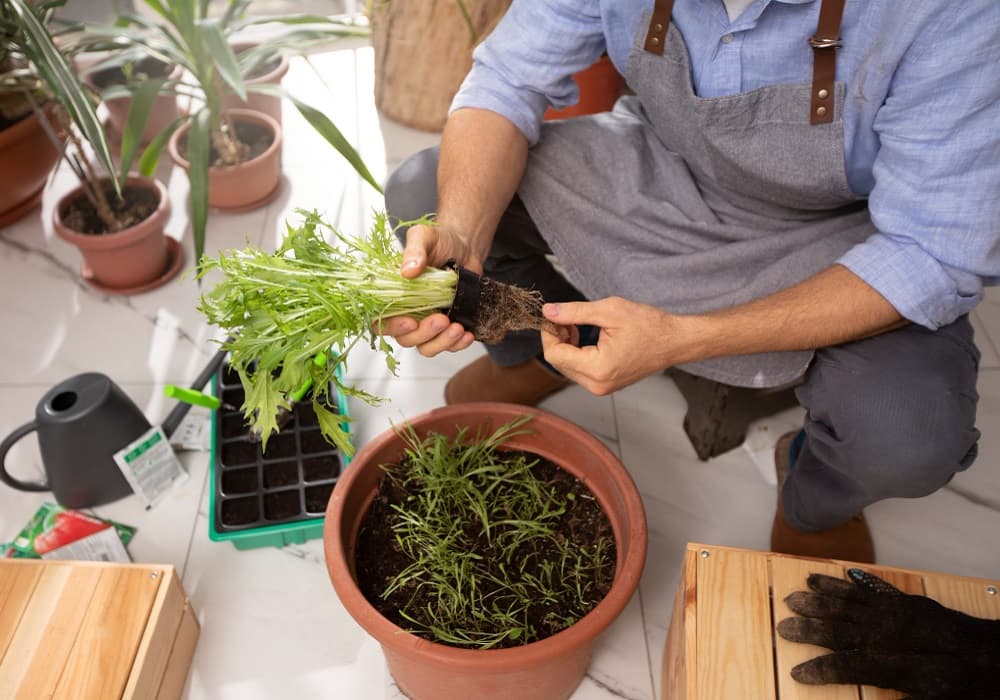
Gardening is a peaceful and rewarding activity that connects you with nature while adding beauty to your surroundings. Many people start gardening with enthusiasm but later struggle because plants do not grow as expected. The good news is that with the right gardening tips, anyone can grow plants faster and healthier, even in small spaces like balconies or terraces. Good plant growth depends on simple factors such as soil quality, water, sunlight, and regular care.
This blog shares practical and easy gardening tips that help home gardeners achieve better results without stress.
Choose the Right Soil for Strong Growth
Healthy soil is the foundation of any successful garden. Plants grow faster when the soil is rich in nutrients and drains well. Using garden soil mixed with compost or organic manure improves fertility and supports root development.
Avoid using hard or clay-heavy soil as it blocks water flow and air circulation. Loose and well-aerated soil allows roots to spread easily and absorb nutrients efficiently. One of the most important gardening tips is to check soil quality regularly and enrich it when needed.
Water Plants Correctly and Consistently
Watering plays a key role in plant health. Too much water can cause root rot, while too little water can dry out the plant. Understanding the water needs of each plant helps maintain balance.
To minimize evaporation, water plants either early in the morning or late at night. Always check the top layer of soil before watering. Proper watering is one of the most useful gardening tips for faster and healthier plant growth.
Give Plants the Right Amount of Sunlight
Sunlight helps plants make food through photosynthesis. Most flowering and vegetable plants need at least five to six hours of sunlight daily. Leafy plants can grow well with partial sunlight.
Observe where sunlight falls in your home or garden and place pots accordingly. Turning pots occasionally ensures even growth. Providing the right light is among the most effective gardening tips for strong and balanced plants.
Use Natural Fertilizers for Better Results
Fertilizers provide essential nutrients that plants need to grow faster. Organic options such as compost, vermicompost, cow dung manure, and kitchen waste compost are safe and improve soil health.
Avoid using too much fertilizer, as it can damage roots and leaves. Feeding plants once every two to three weeks is usually enough. Natural feeding is one of the best gardening tips for long-term plant health.
Prune and Maintain Plants Regularly
Pruning helps plants grow bushier and healthier. Removing dry leaves, dead branches, and weak stems allows plants to focus energy on new growth.
Regular maintenance also helps prevent pests and diseases. Cleaning pots, trimming excess growth, and checking leaves are simple gardening tips that greatly improve plant appearance and health.
Protect Plants From Pests Naturally
Pests can slow down plant growth and damage leaves. Instead of using harsh chemicals, choose natural pest control methods. Neem oil spray, soap water solution, and garlic spray are effective and safe.
Inspect plants regularly to catch problems early. Healthy plants are naturally more resistant to pests. Pest control is an important part of smart gardening tips.
Choose the Right Pots and Containers
The size and quality of pots affect plant growth. Root damage and waterlogging are avoided in pots with the right drainage holes. Choosing the correct pot size gives roots enough space to grow.
Clay pots allow better air circulation, while plastic pots retain moisture longer. Selecting the right container is one of the often ignored gardening tips that makes a big difference.
Follow Seasonal Planting Practices
Different plants grow best in different seasons. Sowing seeds at the right time improves germination and growth speed. Summer plants, winter vegetables, and monsoon flowers should be planted according to climate.
Understanding seasonal cycles is one of the most important gardening tips for growing healthy and strong plants throughout the year.
Conclusion
Gardening becomes simple and enjoyable when you follow the right practices. Healthy soil, proper watering, sufficient sunlight, and regular care are the basic secrets of plant success. By applying these gardening tips consistently, you can help plants grow faster, look healthier, and produce better results. Gardening is a learning process, and patience is key. With daily care and attention, any home garden can turn into a thriving green space filled with life and beauty.
FAQs
How often should I water my plants?
Watering depends on plant type and weather. Most plants need watering when the top soil feels dry.
Can gardening tips work for indoor plants?
Yes, these gardening tips work well for both indoor and outdoor plants with minor adjustments.
Is sunlight necessary for all plants?
Most plants need sunlight, but some indoor plants grow well in indirect light.
What is the best fertilizer for home gardening?
Organic fertilizers like compost and vermicompost are best for safe and healthy growth.
How can I make plants grow faster naturally?
Proper soil, regular watering, sunlight, and natural nutrients help plants grow faster without chemicals.
