

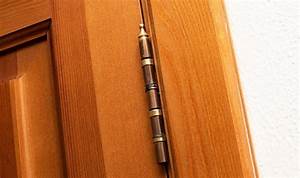
Wordplay is a delightful way to explore the intricacies of language. Among its many quirks, rhyming remains a favorite for poets, songwriters, and anyone who loves a good pun. One of the most famous language challenges is finding a rhyme for the word “orange.” Though many claim it has no perfect rhyme, creative thinkers have come up with playful near-rhymes, such as “door hinge,” inspiring a phrase like “Door Hinge For Orange Sort Of.”
This exploration opens the door (or hinge) to the fascinating world of quirky rhymes, clever wordplay, and how our love for language sparks endless creativity.
Why Does “Orange” Fascinate Us So Much?
The English language is rich in words and rhymes, but certain words like “orange,” “silver,” and “purple” stand out for their apparent lack of perfect rhyming pairs. This makes them particularly intriguing for writers and word enthusiasts.
The challenge of rhyming with “orange” has led to imaginative solutions. The phrase “door hinge for orange sort of” emerged as a playful workaround, cleverly illustrating how language can bend to our creativity. It’s a near-rhyme, relying on the rhythm and sound of “door hinge” to mimic the cadence of “orange.”
This kind of linguistic inventiveness highlights the ways we adapt language to suit our needs, whether for humor, poetry, or simply to solve a verbal puzzle.
The Fun of Near-Rhymes
What Are Near-Rhymes?
Near-rhymes, also known as slant rhymes or imperfect rhymes, occur when words have similar but not identical sounds. While they may not satisfy purists, they often evoke the same sense of harmony as perfect rhymes.
For example, “door hinge” and “orange” share a similar ending sound, though their vowels and stresses differ slightly. This near-rhyme is “sort of” close enough to fit the playful context.
Why Do We Love Them?
Near-rhymes add depth and creativity to writing. They’re especially useful in poetry and music, where strict rhymes can sometimes feel forced. By using near-rhymes, writers can maintain a natural flow while still engaging the listener or reader with clever word choices.
In the case of “door hinge for orange sort of,” the charm lies in its absurdity. It’s a playful nod to the impossibility of rhyming “orange,” showcasing the limitless potential of language.
The Role of Wordplay in Creativity
Sparking Imagination
Wordplay isn’t just a linguistic exercise; it’s a tool for sparking creativity. Phrases like “door hinge for orange sort of” encourage us to think outside the box, finding connections between seemingly unrelated ideas.
This kind of playful thinking is invaluable in creative fields. Whether you’re a writer, artist, or problem-solver, the ability to see relationships where others see none can lead to groundbreaking ideas.
Humor and Connection
Wordplay also brings people together. Puns, rhymes, and quirky phrases like “door hinge for orange sort of” are often shared in social settings, sparking laughter and camaraderie. They remind us that language isn’t just about communication—it’s also a source of joy and connection.
Exploring Rhymes Through Tarot: A Playful Analogy
While it may seem unrelated, the 7 of Pentacles as feelings offers an intriguing metaphor for wordplay and rhyming challenges. In tarot, the 7 of Pentacles represents patience, reflection, and effort. Similarly, finding rhymes—or bending language to create near-rhymes—requires time, thought, and creativity.
The 7 of Pentacles as Feelings in Wordplay
When we engage in wordplay, we invest emotional effort into the process, much like the figure in the 7 of Pentacles who contemplates the fruits of their labor. The satisfaction of finding a solution—whether it’s a perfect rhyme or a quirky workaround like “door hinge for orange sort of”—mirrors the emotional reward depicted in the card.
Wordplay enthusiasts might experience feelings of pride and delight as they solve linguistic puzzles. At the same time, there’s an element of patience and anticipation, as they wait for inspiration to strike.
Famous “Unrhymeable” Words and Creative Solutions
The challenge of rhyming “orange” is just one example of how language sparks ingenuity. Here are a few other “unrhymeable” words and the clever solutions writers have found:
- Silver: “Chilver” (an old English word for a female lamb) or playful phrases like “will shiver.”
- Purple: “Nurple” (from the slang “purple nurple”) or descriptive near-rhymes like “her pull.”
- Month: Often rhymed with phrases like “the nth of.”
These examples demonstrate how creativity and humor can overcome even the most rigid linguistic challenges.
How to Cultivate a Love for Wordplay
Practice Rhyming Games
Engage in rhyming games with friends or family to exercise your linguistic muscles. Challenge each other to find rhymes—or near-rhymes—for tricky words like “orange” or “purple.”
Explore Poetry and Songwriting
Poetry and songwriting are excellent ways to experiment with wordplay. Use near-rhymes like “door hinge for orange sort of” to add personality and charm to your creations.
Embrace Absurdity
Don’t be afraid to get silly! Language is a playground, and phrases like “door hinge for orange sort of” remind us that sometimes, the best solutions come from embracing the absurd.
Conclusion: The Joy of “Door Hinge for Orange Sort Of”
The phrase “door hinge for orange sort of” exemplifies the playful nature of language. It shows us that even the most rigid linguistic rules can be bent with creativity and humor.
Wordplay, whether through rhymes, puns, or quirky phrases, invites us to explore the limits of language and expand our imaginations. Just as the 7 of Pentacles as feelings encourages patience and reflection, the process of finding rhymes or crafting clever phrases teaches us to enjoy the journey of discovery.
Ultimately, the joy of wordplay lies in its ability to surprise and delight, turning even the simplest words into a source of endless fascination. So, the next time you hear someone claim that “orange” has no rhyme, remember: there’s always a “door hinge for orange sort of” solution waiting to be discovered. Visit Trending Hub24 to get more information.
