

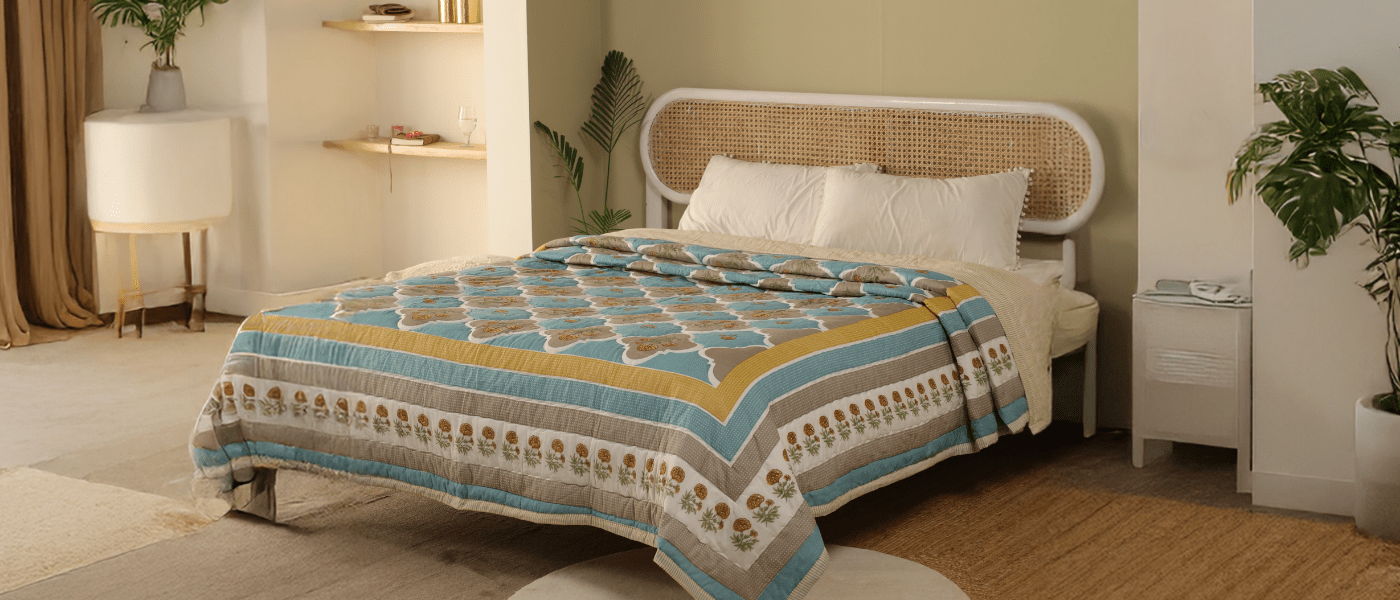
A comforter blanket is more than just a bedding accessory. It plays an important role in keeping you warm, comfortable, and relaxed throughout the night. Whether you are upgrading your bedroom, preparing for winter, or simply looking for a better sleeping experience, choosing the right comforter blanket can make a significant difference.
With so many options available in the market, finding the perfect comforter can feel overwhelming. Different materials, fillings, sizes, and warmth levels are designed to meet different needs. Understanding these options can help you make a smart and comfortable choice.
In this guide, we will explore the different types of comforter blankets and the factors you should consider when selecting the right one for your home.
What Is a Comforter Blanket?
A comforter blanket is a thick, quilted bedding layer filled with insulating materials such as cotton, microfiber, down, wool, or synthetic fibers. It is designed to provide warmth and comfort while enhancing the overall look of your bedroom.
Comforters are typically used as the top layer of bedding and are available in various designs, colors, and thickness levels to suit different seasons and personal preferences.
Different Types of Comforter Blankets
Cotton Comforter Blankets
Cotton comforters are among the most popular choices because they are soft, breathable, and comfortable throughout the year. They allow air to circulate everywhere, helping regulate body temperature while you sleep.
Cotton comforters are ideal for people who prefer natural materials and want a lightweight yet cozy bedding option. They are also easy to maintain and suitable for most climates.
Microfiber Comforter Blankets
Microfiber comforters are made from finely woven synthetic fibers. They are lightweight, durable, and often more affordable than natural alternatives.
These comforters provide excellent warmth without feeling too heavy. They are also resistant to wrinkles and require minimal maintenance, making them a practical choice for busy households.
Down Comforter Blankets
Down comforters are filled with the soft inner feathers of ducks or geese. They are known for their luxurious feel and exceptional insulation.
Despite being lightweight, down comforters provide impressive warmth, making them ideal for colder climates. Their fluffy texture creates a cloud-like sleeping experience that many people find highly comfortable.
Down Alternative Comforter Blankets
For individuals who are allergic to natural down or prefer without animal products, down alternative comforters are an excellent option.
These comforters use synthetic fibers that mimic the softness and warmth of down while being more affordable and easier to maintain. They offer comfort and warmth without triggering common feather-related allergies.
Wool Comforter Blankets
Wool comforters are naturally temperature-regulating and moisture-wicking. They help keep you warm during winter and cool during warmer months.
Wool is also naturally resistant to dust mites and mold, making it a great choice for allergy-sensitive sleepers. Its durability ensures long-lasting performance when properly cared for.
Silk Comforter Blankets
Silk comforters offer a luxurious sleeping experience. They are lightweight, smooth, and naturally breathable.
Silk helps maintain a comfortable sleeping temperature and is often preferred by people who want premium bedding. Although they tend to be more expensive, silk comforters provide excellent comfort and elegance.
All-Season Comforter Blankets
All-season comforters are designed to provide balanced warmth throughout the year. They are neither too thick nor too thin, making them suitable for most climates and seasons.
These comforters are a convenient option for households that want a single bedding solution without changing comforters throughout the year.
How to Choose the Right Comforter Blanket
Selecting the right comforter depends on several factors. Understanding your specific needs will help you make the best decision.
Consider Your Climate
The weather in your area should be one of the first factors to consider.
If you live in a colder region, a thicker comforter with high insulation, such as down or wool, may be ideal. For warmer climates, breathable options like cotton or lightweight microfiber comforters can provide comfort without excessive heat.
Think About Your Sleeping Preferences
Everyone sleeps differently. Some people naturally feel warm at night, while others prefer extra layers of warmth.
If you tend to overheat while sleeping, choose breathable materials such as cotton or silk. If you often feel cold, consider down or wool-filled comforters for additional insulation.
Check the Filling Material
The filling material directly affects the comfort, warmth, and maintenance requirements of a comforter.
Natural fillings such as down, wool, and silk often provide superior comfort and breathability. Synthetic fillings like microfiber and down alternatives are generally easier to care for and more budget-friendly.
Choose the Correct Size
A comforter should fit your bed properly while providing enough coverage on all sides.
Whether you have a single, double, queen, or king-size bed, selecting the correct comforter size ensures a neat appearance and comfortable sleeping experience.
Evaluate Maintenance Requirements
Some comforters require special cleaning methods, while others are machine washable.
If easy maintenance is important to you, microfiber and down alternative comforters are often the most convenient choices. Always check the care instructions before making a purchase.
Consider Allergies and Sensitivities
If you have allergies, hypoallergenic comforters can help create a healthier sleeping environment.
Synthetic fills, cotton, and certain wool comforters are often better choices for allergy sufferers compared to traditional feather-filled options.
Look at Durability and Quality
A comforter is an investment in your comfort and sleep quality. Choosing a high-quality product ensures better performance and longer lifespan.
Pay attention to stitching quality, fabric construction, and filling distribution to ensure the comforter remains comfortable and durable over time.
Benefits of Using a Quality Comforter Blanket
A well-chosen comforter offers more than just warmth. It can improve your overall sleep experience by providing consistent comfort throughout the night.
Quality comforters help regulate temperature, enhance bedroom aesthetics, and create a cozy sleeping environment. They can also reduce the need for multiple layers of bedding, making your bed easier to manage and maintain.
Investing in the right comforter can contribute to better sleep quality, which plays a vital role in overall health and well-being.
Conclusion
Comforter blankets come in a variety of materials, fillings, and designs, each offering unique benefits. From breathable cotton and practical microfiber to luxurious silk and warm down comforters, there is an option to suit every sleeping preference and lifestyle.
When choosing a comforter blanket, consider factors such as climate, comfort needs, filling material, maintenance requirements, and allergies. Taking the time to understand these aspects will help you find a comforter that provides the perfect balance of warmth, comfort, and durability.
A thoughtfully selected comforter blanket can transform your sleeping experience, helping you enjoy restful nights and wake up feeling refreshed every morning.
