

Introduction
Oral health plays a major role in overall health and quality of life. Missing teeth not only affect appearance but also interfere with chewing, speaking, and maintaining proper jaw structure. Dental implants have emerged as one of the most successful long-term solutions for tooth replacement. INVISIBLE BRACES DENTIST
Unlike traditional dentures or bridges, dental implants integrate with the jawbone and function similarly to natural teeth. This unique feature provides numerous oral health benefits while improving comfort and confidence.
This article explores how dental implants support long-term oral health, discusses maintenance strategies, and examines future innovations in implant dentistry.
The Relationship Between Tooth Loss and Oral Health
Tooth loss can create several oral complications.
Bone Deterioration
When teeth are missing, the jawbone no longer receives stimulation.
Shifting Teeth
Neighboring teeth may drift into empty spaces.
Bite Problems
Tooth loss can alter bite alignment.
Gum Disease Risk
Spaces created by missing teeth may trap bacteria.
How Dental Implants Improve Oral Health
Bone Preservation
Implants stimulate the jawbone during chewing.
Maintaining Facial Structure
Bone preservation supports facial appearance.
Preventing Tooth Movement
Implants stabilize the dental arch.
Restoring Proper Chewing
Efficient chewing supports nutrition and digestion.
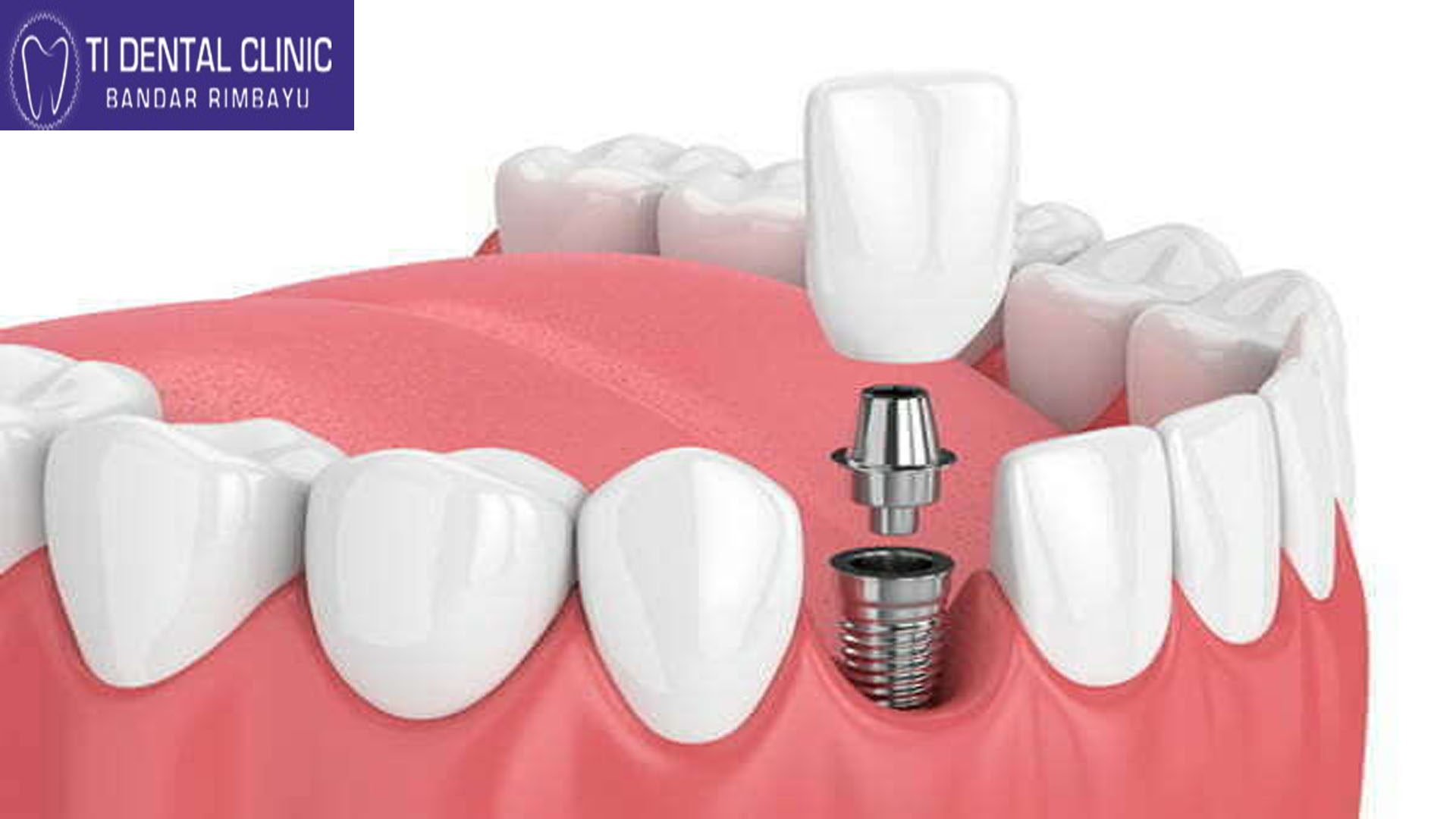
Components of a Dental Implant System
Implant Fixture
Inserted into the jawbone.
Abutment
Connects the implant to the crown.
Restoration
The visible replacement tooth.
Long-Term Benefits of Dental Implants
Durability
Implants can last decades with proper care.
Comfort
Implants feel more natural than removable dentures.
Improved Speech
Stable teeth help pronunciation.
Better Nutrition
Patients can enjoy a broader diet.
Psychological Benefits
Restored smiles improve confidence.
Caring for Dental Implants
Daily Brushing
Brush at least twice daily.
Flossing
Floss carefully around implants.
Mouthwash
Antibacterial rinses help reduce bacteria.
Professional Cleaning
Regular dental appointments are essential.
Common Implant Problems and Prevention
Peri-Implantitis
This inflammatory condition affects tissues around implants.
Implant Loosening
Excessive force may loosen components.
Gum Recession
Poor hygiene can affect gum appearance.
Lifestyle Habits Affecting Implant Health
Smoking
Smoking reduces healing and increases complications.
Diet
Balanced nutrition supports oral tissues.
Teeth Grinding
Night guards may protect implants.
The Role of Technology in Implant Dentistry
Digital Dentistry
Computer-guided systems improve accuracy.
3D Printing
3D printing creates customized restorations.
Artificial Intelligence
AI assists in treatment planning.
Advanced Materials
Researchers continue improving implant materials.
Immediate Load Implants
Some modern systems allow temporary teeth on the same day as surgery.
Benefits may include:
Faster results
Improved convenience
Better patient satisfaction
Full-Mouth Implant Solutions
Implant-Supported Dentures
These provide greater stability than traditional dentures. IMPLANT TEETH PRICE IN MALAYSIA
All-on-4 Technique
This supports an entire arch with fewer implants.
Dental Implants in Older Adults
Age alone is not a barrier to implants.
Many older adults benefit significantly from restored chewing function and confidence.
Myths About Dental Implants
Myth 1: Implants Are Extremely Painful
Most patients report manageable discomfort.
Myth 2: Implants Look Artificial
Modern restorations look highly natural.
Myth 3: Older Adults Cannot Get Implants
Many seniors are excellent candidates.
Financial Considerations
Although implants involve higher initial costs, they often provide better long-term value due to durability and reduced maintenance.
The Future of Dental Implant Dentistry
Researchers are exploring exciting developments.
Biomimetic Materials
These materials may improve integration.
Stem Cell Technology
Future treatments may regenerate tissues.
Faster Healing Techniques
New surface technologies accelerate osseointegration.
Smart Implants
Researchers are investigating implants capable of monitoring oral health.
Emotional and Social Transformation
Dental implants often transform patients’ lives.
Many people experience:
Improved self-esteem
Greater willingness to socialize
Better professional confidence
Enhanced quality of life
Conclusion
Dental implants represent one of the most significant advancements in restorative dentistry. They do more than replace missing teeth—they restore oral function, preserve jawbone health, improve facial appearance, and enhance emotional well-being.
With proper care and professional maintenance, dental implants can remain successful for decades. As technology continues to evolve, future implant treatments are expected to become faster, safer, and even more effective.
For patients seeking a reliable and long-lasting solution for tooth loss, dental implants continue to offer outstanding benefits for oral health and overall quality of life. CHILDREN BRACES
