

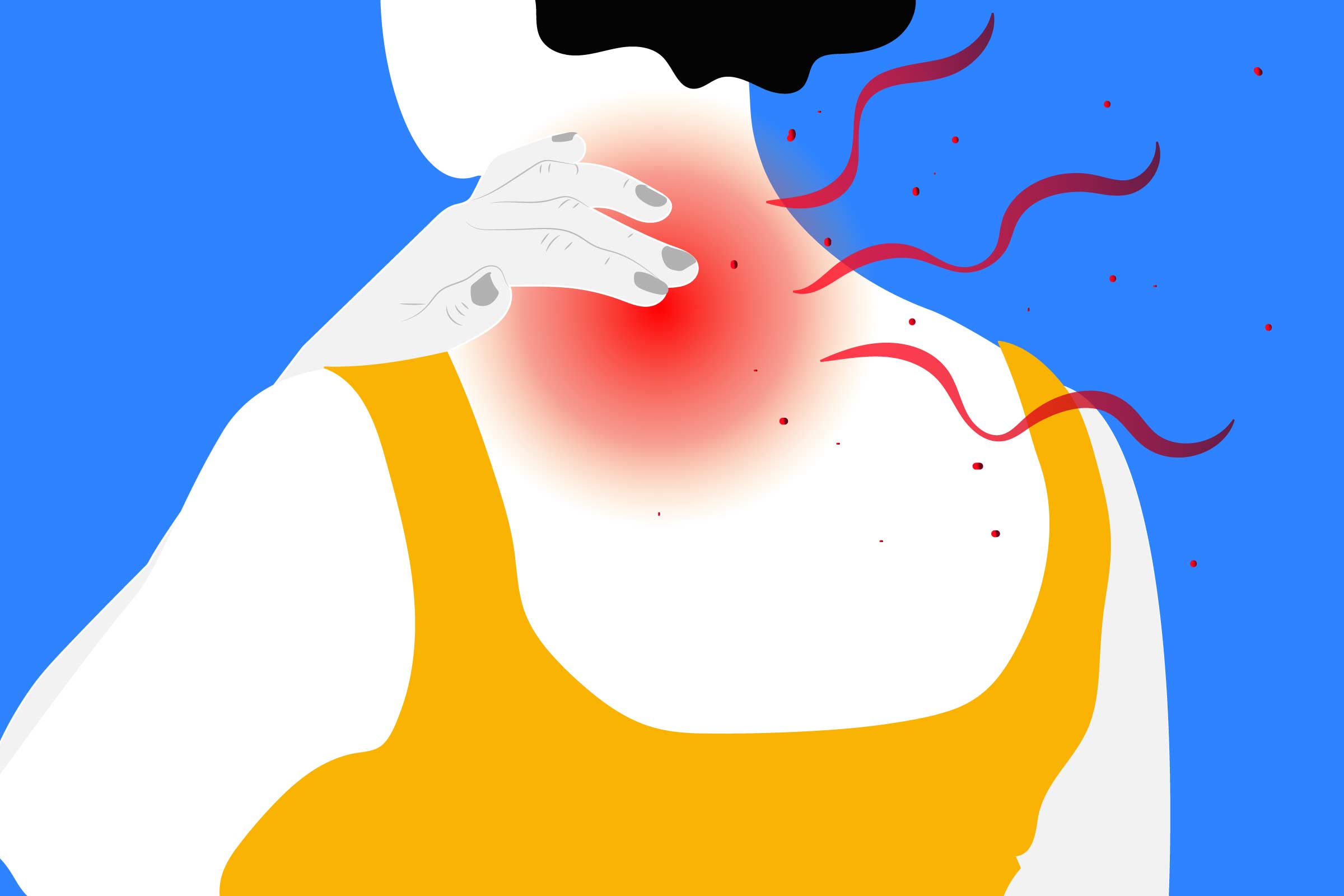
Neck pain is a common health concern, especially in today’s digital lifestyle, where people spend long hours using computers and smartphones. In some cases, neck problems can also lead to headaches. One such condition is cervicogenic headache, a type of headache that originates from the cervical spine (neck). At the Neurology and Pain Management Clinic (NPMC), Dr. Gautam Arora, an experienced neurologist and pain specialist, helps patients identify the root cause of cervical pain and provides effective treatments to restore comfort and mobility.
Understanding Cervical Pain
The cervical spine consists of seven vertebrae in the neck that support the head and allow movement such as turning, bending, and tilting. These bones are supported by muscles, ligaments, discs, and nerves. When any of these structures become irritated or damaged, cervical pain can develop.
Common causes of cervical pain include:
- Poor posture during prolonged computer or mobile use
- Cervical spondylosis (age-related degeneration of the spine)
- Herniated or bulging discs
- Muscle strain or ligament injury
- Nerve compression
- Trauma such as whiplash injuries
Cervical pain may range from mild stiffness to severe pain that affects daily activities.
What Is a Cervicogenic Headache?
A cervicogenic headache is a secondary headache, meaning an underlying neck issue causes it. Pain from the cervical spine travels through nerves to the head, producing headache symptoms.
Unlike migraines or tension headaches, cervicogenic headaches originate from structural problems in the neck, such as joint dysfunction, disc problems, or nerve irritation.
Symptoms of Cervicogenic Headache
Patients with cervicogenic headaches often experience symptoms such as:
- Pain starting in the neck and spreading to the head
- Headache on one side of the head
- Neck stiffness or reduced neck movement
- Pain around the eyes, temples, or forehead
- Headache triggered by neck movement or poor posture
- Shoulder or upper back pain
These headaches can become chronic if the underlying neck condition is not treated.
How Cervical Pain Leads to Headaches
The cervical spine contains several nerves that connect to the head and face. When these nerves become irritated or compressed due to disc problems, joint inflammation, or muscle tension, pain signals travel upward, resulting in a headache.
In particular, the upper cervical nerves (C1, C2, and C3) play a major role in cervicogenic headaches because they share pain pathways with the trigeminal nerve, which supplies the head and face.
Risk Factors
Several lifestyle and medical factors increase the risk of cervical pain and cervicogenic headaches:
- Long hours of desk work
- Poor sitting posture
- Excessive smartphone use (“text neck”)
- Lack of physical activity
- Previous neck injuries
- Age-related spinal degeneration
Addressing these risk factors is an important part of treatment and prevention.
Diagnosis at NPMC
Accurate diagnosis is essential to distinguish cervicogenic headaches from migraines or other headache disorders. At the Neurology and Pain Management Clinic, Dr. Gautam Arora performs a detailed evaluation that includes:
- Medical history and symptom assessment
- Physical and neurological examination
- Assessment of neck mobility and posture
- Imaging studies such as MRI or X-rays when needed
In some cases, diagnostic nerve blocks may be used to confirm the source of pain.
Treatment Options
Treatment for cervical pain and cervicogenic headaches focuses on addressing the underlying neck problem.
1. Medications
Medications may be prescribed to reduce inflammation, relieve muscle tension, and control pain.
2. Physiotherapy
Targeted physiotherapy helps strengthen neck muscles, improve posture, and restore normal movement patterns. Exercises may include stretching, strengthening, and posture correction.
3. Lifestyle and Ergonomic Changes
Patients are advised to:
- Maintain proper sitting posture
- Take regular breaks during desk work
- Adjust screen height and workstation setup
- Use supportive pillows during sleep
These changes significantly reduce strain on the cervical spine.
4. Injection-Based Treatments
For persistent pain, advanced pain management techniques such as nerve block injections or facet joint injections may be recommended. These procedures reduce inflammation and interrupt pain signals from the affected nerves.
5. Advanced Pain Management Techniques
At NPMC, specialized treatments may be used for chronic cases that do not respond to conservative therapy. These approaches focus on calming irritated nerves and improving long-term pain control.
Preventing Cervical Pain and Headaches
Dr. Gautam Arora advises several preventive measures:
- Maintain good posture during work and daily activities
- Perform regular neck stretching exercises
- Limit prolonged mobile phone use
- Use ergonomic workstations
- Stay physically active
- Manage stress levels
Early attention to neck discomfort can prevent headaches and chronic pain.
Why Choose NPMC?
At the Neurology and Pain Management Clinic, patients receive comprehensive care for cervical spine disorders and headache conditions. Under the leadership of Dr. Gautam Arora, the clinic offers:
- Expert neurological evaluation
- Advanced diagnostic tools
- Non-surgical pain management treatments
- Personalised rehabilitation plans
The focus is always on identifying the root cause of pain and providing long-term relief.
Conclusion
Cervical pain and cervicogenic headaches are closely connected and often overlooked. Recognizing the relationship between neck problems and headaches is the first step toward effective treatment. With proper diagnosis, targeted therapy, and lifestyle adjustments, most patients can achieve significant relief. At NPMC, Dr. Gautam Arora helps patients overcome cervical pain and cervicogenic headaches through expert neurological care and advanced pain management techniques.
