

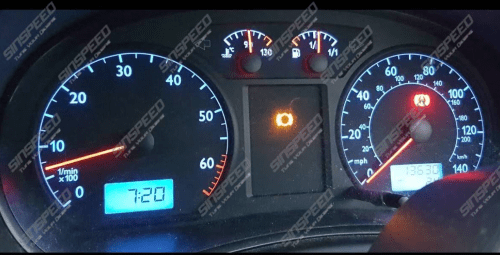
Classic and older cars carry more than just transportation value—they hold history, nostalgia, and in many cases, significant financial worth. For collectors, enthusiasts, and everyday owners of older vehicles, maintaining the functionality of every component is crucial. Among these, the instrument cluster stands out as a key feature.
The cluster, or dashboard display, provides vital information such as speed, mileage, fuel levels, and warning signals. In older vehicles, these instruments are often mechanical, analog, or early digital systems that require careful maintenance. Timely car cluster repair ensures these vehicles remain functional, safe, and valuable.
The Importance of the Instrument Cluster in Classic Cars
In classic and vintage vehicles, the cluster is more than a dashboard—it’s a central part of the car’s identity. Owners rely on it for:
- Speed monitoring – Even vintage cars require precise speed awareness to navigate modern roads safely.
- Mileage tracking – Accurate odometers maintain historical records and help determine restoration or resale value.
- Fuel levels – Proper monitoring prevents running out of fuel, especially in vehicles without modern efficiency indicators.
- Engine and system alerts – Warning lights or gauges, though sometimes analog, still provide essential guidance to prevent damage.
A well-maintained cluster ensures that classic cars remain both operational and true to their original design.
Common Cluster Issues in Older Vehicles
Older vehicles often experience cluster issues due to age, wear, or outdated technology. Common problems include:
- Mechanical wear – Speedometers, odometers, and needle-based gauges can become stiff, inaccurate, or stuck.
- Fading or dim displays – Older backlights and bulbs may fail, making readings hard to see.
- Electrical faults – Wiring degradation can cause gauges or warning lights to malfunction.
- Calibration issues – After years of use, readings may drift, reducing accuracy and reliability.
Addressing these issues through professional cluster repair preserves both functionality and historical authenticity.
Preserving Historical and Financial Value
Classic cars are often valued not only for their appearance but also for the integrity of their original components. A working cluster demonstrates careful ownership and maintenance, which can significantly impact resale value.
- Accurate odometers maintain the integrity of mileage history.
- Functional gauges show that the car is not just a showpiece but also operational.
- Original aesthetic – Repair or restoration can maintain the look and feel of the original dashboard, preserving authenticity.
In the collector market, attention to these details can make a notable difference in both appeal and price.
How Car Cluster Repair Supports Functionality
Repairing or restoring a classic car’s cluster ensures that daily operation and longer drives remain safe and predictable:
- Reliable speed readings – Prevents unintentional speeding and ensures compliance with modern traffic laws.
- Accurate fuel monitoring – Reduces the risk of running out of gas in areas where stations may be scarce.
- Early warning of mechanical issues – Gauges and indicators alert drivers to potential engine or brake problems.
- Consistent performance – Restored clusters operate smoothly, reducing driver frustration and stress.
For owners who drive their classic cars, cluster repair ensures reliability without compromising originality.
Modern Upgrades vs. Preservation
Some classic car enthusiasts choose to retrofit clusters with modern digital displays. While this can enhance readability and introduce new features, it may reduce historical authenticity.
Professional car cluster repair offers a balance:
- Restores original functionality and appearance.
- Ensures accurate readings for speed, fuel, and engine monitoring.
- Maintains the vehicle’s classic look while improving reliability.
This approach keeps the car roadworthy, preserves value, and satisfies purist standards.
Preventive Maintenance for Older Vehicles
Maintaining a classic car’s cluster involves regular inspection and care:
- Check gauge responsiveness – Ensure needles move smoothly and accurately.
- Inspect lighting – Replace bulbs or backlights to maintain visibility.
- Monitor electrical connections – Prevent shorts, corrosion, or loose wires.
- Address drift or calibration issues – Recalibrate mechanical gauges as needed to maintain accuracy.
These steps not only improve safety but also enhance the overall enjoyment of driving a classic car.
Long-Term Benefits
Maintaining a functional instrument cluster in older vehicles provides long-term benefits for owners:
- Operational reliability – Drivers can enjoy the car without unexpected failures.
- Preservation of historical value – Accurate gauges and original displays maintain authenticity.
- Enhanced resale potential – Vehicles with properly functioning clusters command higher prices.
- Peace of mind – Owners can drive confidently, knowing that the car communicates its condition clearly.
Proper care and repair transform the cluster from a simple dashboard into a guardian of both safety and heritage.
Seeking Professional Cluster Repair
Classic and older car clusters often require specialized expertise. Modern DIY methods may not account for the mechanical or electrical intricacies of vintage systems.
Always find a specialist near you who understands classic clusters. Professionals can restore functionality while preserving originality, ensuring that the car remains both safe and authentic.
Conclusion
For classic and older cars, the instrument cluster is more than a functional tool—it is a symbol of care, history, and value. Accurate speedometers, fuel gauges, and warning indicators keep the vehicle safe and roadworthy, while preserving originality enhances collector appeal.
Timely car cluster repair ensures reliability, prevents breakdowns, and maintains historical integrity. Whether for daily driving, weekend cruising, or resale, a properly functioning cluster is essential for every classic car owner.
By investing in cluster maintenance, owners protect both their car’s legacy and its performance, keeping the spirit of the vehicle alive for years to come.
