

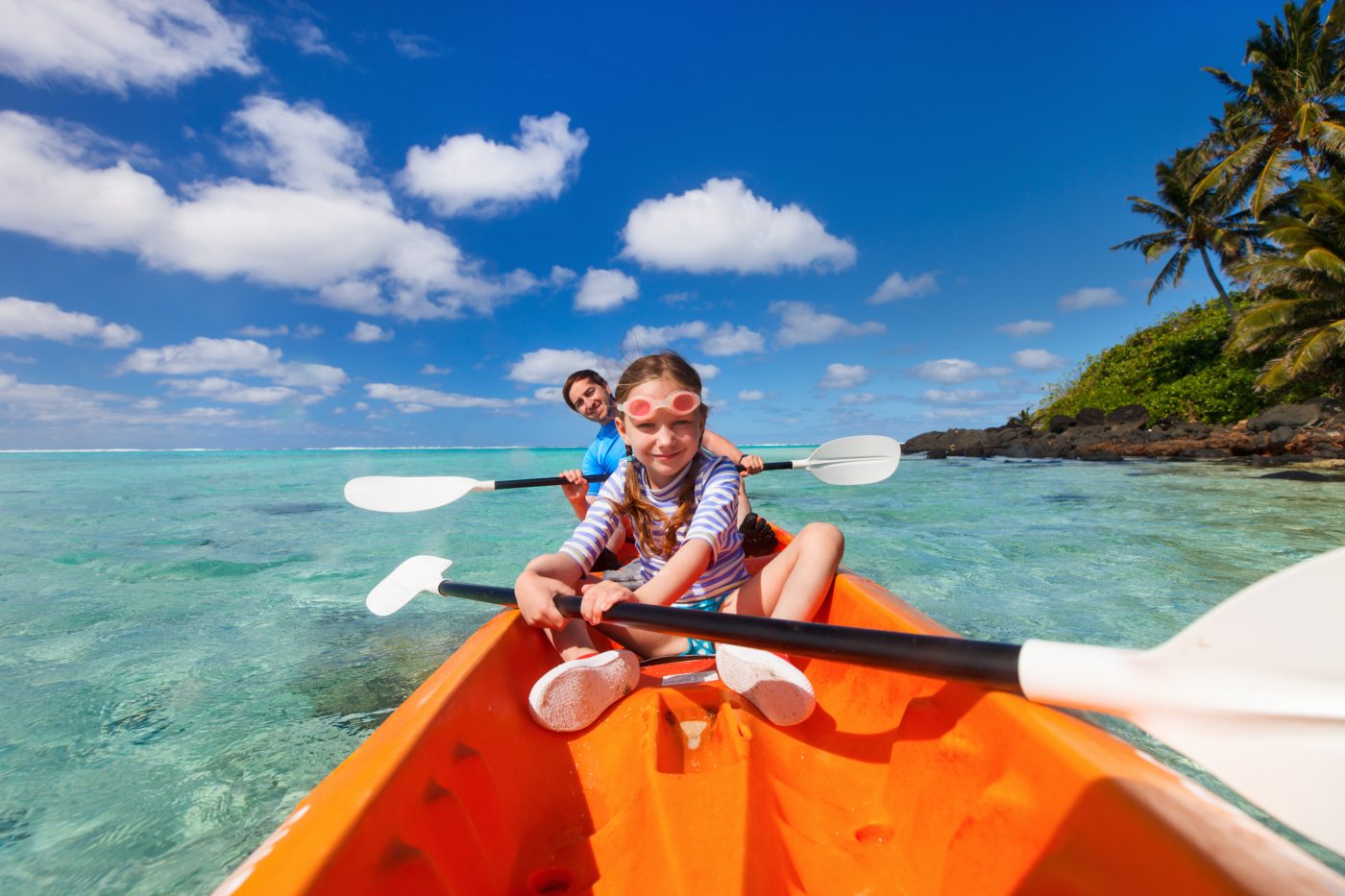
Yes, you absolutely can kayak with whales and turtles in Maui! The island’s warm, protected waters create perfect conditions for unforgettable encounters with Hawaiian green sea turtles (honu) year-round, while humpback whales grace these waters from December through April. Kayaking in Maui offers one of the most intimate, eco-friendly ways to experience these magnificent creatures in their natural habitat but timing, location, and responsible wildlife practices make all the difference between a magical experience and disappointment.
Why Maui Is a Kayaker’s Wildlife Paradise
Maui sits at the heart of the Hawaiian Islands Humpback Whale National Marine Sanctuary, making it one of the world’s premier destinations for marine wildlife encounters. The island’s unique geography creates sheltered bays, coral reefs, and shallow coastal waters that attract sea turtles daily and serve as critical breeding grounds for humpback whales each winter.
Unlike motorized boat tours, kayaking in Maui lets you approach these gentle giants quietly and respectfully. The silent glide of a kayak doesn’t disturb wildlife the way engine noise does, creating opportunities for closer, more authentic encounters while minimizing your environmental impact.
Understanding the Marine Life Calendar
Hawaiian Green Sea Turtles (Year-Round) Sea turtles inhabit Maui’s waters throughout the year, with particularly high concentrations in protected bays and near seagrass beds. Early morning paddle sessions offer the best visibility and turtle activity as these reptiles surface to breathe and bask in shallow waters.
Humpback Whales (December-April) Every winter, over 10,000 humpback whales migrate from Alaska to Hawaii’s warm waters to breed, calve, and nurse their young. Peak season runs from January through March, when whale sightings become almost guaranteed during Maui kayak tours. You’ll witness breaching, tail slaps, and hear the haunting songs of male whales echoing through the water.
Best Locations for Wildlife Kayaking in Maui
Makena Landing (South Maui)
This launch site tops the list for turtle encounters. The protected bay features calm morning conditions and extensive coral formations where sea turtles feed on algae. Launch before 8 AM to catch turtles in their most active state and avoid afternoon trade winds.
What to Expect: 80-90% chance of turtle sightings; moderate paddling difficulty; excellent for beginners
Maluaka Beach (Turtle Town)
Famous among snorkelers, this area delivers exceptional results for kayakers willing to paddle from nearby launch points. The underwater landscape features volcanic formations that attract dozens of turtles throughout the day.
Pro Tip: Combine kayaking with snorkeling here for dual perspectives of turtle behavior watching them glide beneath your kayak, then diving down to observe their underwater feeding.
Wailea Coastline
During whale season, launching from Wailea provides front-row seats to humpback activity. Mother whales often bring newborn calves into these protected waters, creating emotionally powerful viewing opportunities.
Safety Note: Maintain the legally required 100-yard distance from whales while kayaking. These guidelines protect both you and the animals.
Honolua Bay (North Shore – Advanced)
Experienced kayakers can access this marine preserve where both turtles and (seasonally) whales congregate. The bay’s deeper waters require stronger paddling skills but reward adventurers with pristine conditions and lower tourist traffic.
Guided Tours vs. Independent Kayaking: Which Should You Choose?
The Case for Maui Kayak Tours
Professional guides bring invaluable expertise to wildlife encounters. Reputable Maui kayak adventures employ naturalist guides who:
- Navigate to active wildlife zones based on real-time conditions and seasonal patterns
- Identify behaviors and share ecological context that transforms sightings into educational experiences
- Ensure legal compliance with federal marine mammal protection laws
- Provide safety oversight including equipment checks, weather monitoring, and emergency protocols
- Supply quality maui kayaks specifically designed for ocean conditions
First-time ocean kayakers should absolutely consider guided options. The investment typically ranges from $89-$159 per person and includes equipment, instruction, and often snorkel gear for combination experiences.
Independent Kayaking Considerations
Experienced paddlers with proper equipment can enjoy rewarding self-guided adventures. Rental maui kayaks are available at multiple locations starting around $50-$75 for half-day periods.
Essential Prerequisites:
- Strong ocean kayaking skills and comfort reading water conditions
- Knowledge of marine mammal approach regulations
- Understanding of local weather patterns and trade wind timing
- Self-rescue capabilities and safety equipment (whistle, flotation, communication device)
Legal Guidelines You Must Know
Federal and state regulations protect Hawaii’s marine life through strict approach distances:
Humpback Whales: 100 yards minimum distance (300 feet) Sea Turtles: 10 feet minimum distance (3 meters) Hawaiian Monk Seals: 50 feet minimum distance (if encountered)
These aren’t suggestions violations carry fines up to $50,000. The rules exist because human disturbance can:
- Separate mother whales from calves
- Interrupt feeding and mating behaviors
- Cause stress that impacts reproduction and survival
- Displace animals from critical habitat
The Right Approach: Never paddle directly toward wildlife. Position your kayak at the minimum legal distance and let animals approach you if they choose. Some curious turtles and whales will investigate kayaks on their own terms these are the most magical encounters.
What to Expect During Your Wildlife Kayaking Experience
Turtle Encounters
Sea turtles surface to breathe every 4-7 minutes during active periods. You’ll first spot them as dark shapes beneath the water’s surface before they emerge with a gentle exhalation. Their swimming speed about 1-2 mph when relaxed matches a leisurely kayaking pace perfectly.
Most encounters last 15-30 seconds as turtles surface, breathe, and submerge again. However, in feeding areas, you might observe the same individuals repeatedly over 30-60 minute periods. Watch for:
- Head bobbing: Turtles examining you or objects above water
- Basking behavior: Turtles floating motionless at the surface, warming their bodies
- Feeding dives: Turtles descending to coral or rocks to scrape algae
Whale Encounters
Whale experiences from kayaks range from distant observations to jaw-dropping close approaches (always whale-initiated). Common behaviors include:
- Blows (Spouts): The misty exhalation visible from miles away, occurring every 10-15 minutes.
- Pectoral Fin Slapping: Whales lying on their sides and slapping the water with their long fins.
- Tail Lobbing: Lifting flukes high and slapping the ocean surface
- Breaching: Full-body launches out of the water the ultimate whale watching moment
The underwater sounds prove equally mesmerizing. Male humpback songs complex vocalizations lasting up to 20 minutes often resonate through your kayak’s hull, creating full-body vibrations you’ll never forget.
Maximizing Your Success Rate
Timing Your Adventure
Best Time of Day: 6:30-9:30 AM Morning hours offer the calmest water conditions, best visibility, and most active wildlife. Afternoon trade winds typically build after 11 AM, creating choppier conditions that make wildlife spotting harder and paddling more strenuous.
Best Months for Whales: January through mid-March
Best Months for Turtles: Year-round, with slightly higher activity May-September
Weather and Ocean Conditions
Check marine forecasts before any ocean kayaking adventure:
- Wind Speed: Under 10 mph ideal; avoid 15+ mph conditions
- Swell Height: 2 feet or less preferred for beginners
- Kona Winds: Southerly winds create unusual conditions consult local guides
Preparation Checklist
Essential items for wildlife kayaking in Maui:
Safety Equipment
- Coast Guard-approved PFD (personal flotation device)
- Whistle or signaling device
- Waterproof communication (VHF radio or waterproof phone case)
- Sun protection: reef-safe sunscreen, hat, UV shirt
Observation Tools
- Waterproof camera or phone housing
- Polarized sunglasses (critical for seeing beneath surface)
- Dry bag for valuables
Comfort Items
- Water bottle (hydration is critical in tropical heat)
- Light snack
- Towel and change of clothes for after
Choosing the Right Maui Kayak Adventures Company
Quality varies significantly among tour operators. Look for companies that demonstrate:
Environmental Credentials
- Membership in sustainable tourism organizations
- Small group sizes (6-12 participants maximum)
- Naturalist guides with marine biology backgrounds
- Explicit commitment to wildlife protection regulations
Safety Standards
- US Coast Guard certified captains/guides
- Comprehensive safety briefings
- Quality equipment maintained to high standards
- Clear weather cancellation policies with full refunds
Customer Experience Indicators
- Detailed reviews mentioning actual wildlife sightings
- Transparent communication about seasonal variations
- Appropriate tour length (2.5-4 hours typically optimal)
- Inclusion of educational components
Top-rated companies typically book 2-4 weeks in advance during peak season (December-March), so plan accordingly.
Beyond Whales and Turtles: Maui’s Full Marine Ecosystem
While whales and turtles draw the most attention, kayaking in Maui reveals a complete ocean ecosystem:
Spinner Dolphins: Occasional sightings in deeper waters, particularly off West Maui Manta Rays: Graceful swimmers sometimes visible in clear, shallow bays Tropical Fish: Hundreds of species visible in areas with coral formations Seabirds: Tropicbirds, frigatebirds, and boobies often circle above kayakers Monk Seals: Rare but possible encounters with these critically endangered Hawaiian natives
Environmental Responsibility: Your Role in Conservation
Every kayaker becomes a temporary guardian of Maui’s marine environment. Your choices matter:
Reef Protection
- Use only reef-safe sunscreen (zinc oxide or titanium dioxide based)
- Never touch or stand on coral formations
- Avoid dragging kayaks across shallow areas
Wildlife Respect
- Observe approach distance regulations religiously
- Never attempt to touch or feed marine life
- Minimize noise and sudden movements
- If an animal appears disturbed (rapid directional changes, hasty diving), increase your distance immediately
Leave No Trace
- Pack out everything you bring
- Avoid single-use plastics
- Participate in beach cleanups when possible
Making Your Maui Kayaking Dream a Reality
Wildlife kayaking in Maui combines adventure, education, and conservation in ways few activities can match. Whether you choose guided Maui kayak tours or independent exploration, the island’s waters promise encounters that will stay with you for life.
The question isn’t whether you can kayak with whales and turtles in Maui you absolutely can. The real question is whether you’re ready to experience the ocean from a completely new perspective, one where you’re no longer an observer on shore but a quiet participant in one of Earth’s most magnificent marine ecosystems.
Start planning your adventure during whale season for the full experience, or choose summer months for calmer conditions perfect for turtle-focused paddles. Either way, those morning hours on glassy water, surrounded by ancient sea turtles and listening to whale songs echo through your kayak, will remind you why Maui remains one of the world’s truly special places.
Ready to experience Maui’s marine wildlife from the unique perspective of a kayak? Book your adventure during the optimal season, respect the ocean and its inhabitants, and prepare for moments of pure natural wonder that only kayaking in Maui can deliver.
