

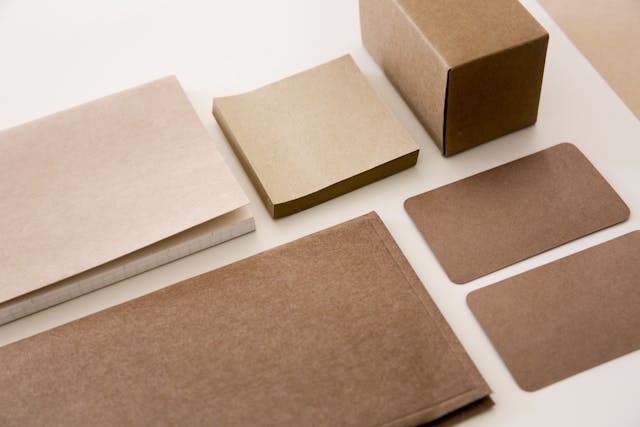
Brown kraft paper is one of the most widely used materials in modern packaging, printing, and industrial supply chains. Known for its strength, flexibility, and natural appearance, kraft paper is commonly used for bags, wrapping, protective packaging, and a wide range of consumable applications across healthcare, retail, food service, and manufacturing environments.
Its popularity continues to grow because it offers a practical balance between durability and sustainability. Businesses choose kraft paper not only for its performance but also for its environmentally responsible profile compared to many plastic-based packaging alternatives.
What Makes Brown Kraft Paper Different
Kraft paper is produced through a specialized pulping process that preserves long wood fibers, giving the material its characteristic strength and tear resistance. This process results in a tougher paper product compared to standard printing or packaging paper, making it suitable for demanding commercial use.
The natural brown color comes from minimal bleaching during production, which helps retain fiber strength and reduces chemical processing. This gives kraft paper its recognizable appearance and contributes to its reputation as a more eco-conscious packaging material.
Because of its structural integrity, kraft paper is widely used in applications where durability and reliability are essential.
The Role of Kraft Paper in Packaging Systems
Packaging plays a critical role in protecting goods, improving logistics efficiency, and enhancing customer experience. Brown kraft paper is commonly used as a flexible packaging material that can be adapted for wrapping, cushioning, bag production, and protective layering.
In retail environments, it is used for shopping bags, product wrapping, and custom branded packaging. In healthcare and pharmacy settings, it supports prescription bagging, document protection, and secure transport of medical supplies.
Industrial operations use kraft paper as protective wrapping for machinery parts, tools, and components that require surface protection during storage or shipping.
Applications in Healthcare and Pharmacy Environments
Healthcare and pharmacy organizations rely on kraft paper for a variety of consumable packaging needs. One of its most common uses is in prescription packaging, where medications and patient instructions are placed in paper bags for safe and organized distribution.
Kraft paper is also used for wrapping medical supplies and protecting sensitive documents during transport within hospitals and clinics. Its lightweight yet durable nature makes it suitable for high-volume environments where efficiency and reliability are important.
Because healthcare environments require clean and professional packaging, kraft paper provides a simple solution that supports both functionality and presentation.
Retail and Commercial Uses of Kraft Paper
Retail businesses frequently use kraft paper for packaging clothing, accessories, gifts, and general merchandise. Its neutral appearance allows businesses to customize packaging with stamps, logos, or printed designs while maintaining a natural and modern aesthetic.
Many retailers prefer kraft paper because it is easy to store, lightweight, and adaptable to different product sizes. It also helps reduce reliance on plastic packaging, which aligns with growing consumer demand for sustainable retail practices.
In addition to bags, kraft paper is often used as wrapping material for fragile or high-value items that require extra protection.
Food Service and Takeout Packaging
The food service industry has long relied on kraft paper for packaging baked goods, takeout meals, and grocery items. Its breathable nature makes it suitable for food products that need ventilation, helping maintain freshness and prevent excess moisture buildup.
Restaurants, bakeries, and cafes use kraft paper bags and wraps to package everything from sandwiches and pastries to dry goods and prepared meals. The material is also commonly used for grocery bags and carry-out packaging due to its strength and recyclability.
As food delivery and takeaway services continue to expand, kraft paper remains a dependable and widely used packaging solution.
Industrial and Logistics Applications
Beyond retail and food service, kraft paper is widely used in industrial and logistics environments. It is commonly used as protective wrapping for metal parts, machinery components, and fragile goods during storage or transportation.
Kraft paper helps prevent scratches, dust accumulation, and minor surface damage, making it an important part of packaging workflows in manufacturing and distribution facilities.
It is also used as void fill material in shipping boxes, helping secure products during transit and reduce movement that could lead to damage.
Strength, Weight, and Performance Characteristics
One of the key advantages of kraft paper is its high strength-to-weight ratio. Despite being lightweight, it can support significant weight and resist tearing under normal handling conditions. This makes it ideal for both packaging and protective applications.
Different grades of kraft paper are available depending on thickness and intended use. Heavier grades are used for industrial packaging and load-bearing bags, while lighter grades are used for wrapping and general retail use.
Its flexibility also allows it to be folded, cut, or shaped without losing structural integrity.
Sustainability and Environmental Impact
Kraft paper is widely recognized as a more environmentally friendly packaging material compared to many plastic alternatives. It is biodegradable, recyclable, and often produced using more sustainable manufacturing methods.
Because it is made from natural wood fibers, kraft paper can break down more easily in the environment, reducing long-term waste impact. Many businesses adopt kraft paper packaging as part of broader sustainability initiatives aimed at reducing plastic consumption.
Consumers also tend to associate kraft packaging with eco-conscious branding, which can positively influence purchasing decisions.
Limitations of Kraft Paper Packaging
Despite its advantages, kraft paper does have certain limitations. It is less resistant to moisture compared to plastic or coated packaging materials, which can affect durability in wet or humid environments.
It may also be less suitable for very heavy or sharp items unless reinforced or layered with additional materials. In some cases, businesses may need to apply coatings or laminations to improve water resistance and strength.
Proper selection of paper grade and packaging design is important to ensure optimal performance.
Branding and Customization Opportunities
Brown Kraft paper offers strong opportunities for branding and customization. Businesses can print logos, product information, promotional messages, or decorative designs directly onto paper bags and packaging materials.
This makes kraft paper a popular choice for companies looking to create a natural, minimalist, or eco-friendly brand identity. The texture and color of kraft paper also provide a distinct visual appeal that stands out compared to glossy or synthetic packaging.
In healthcare and retail environments, clear labeling and branding help improve recognition and operational organization.
Future of Kraft Paper in Packaging Industry
The demand for sustainable packaging continues to grow, and kraft paper is expected to remain a major material in global supply chains. Advances in manufacturing are improving its strength, water resistance, and print compatibility, expanding its range of applications.
As businesses continue to shift away from single-use plastics, kraft paper is positioned to play an even larger role in retail, healthcare, logistics, and food service packaging systems.
Its combination of affordability, sustainability, and versatility ensures long-term relevance across multiple industries.
Final Thoughts
Brown kraft paper remains one of the most practical and widely used packaging materials in modern commerce. Its strength, flexibility, and environmentally friendly properties make it suitable for a broad range of applications across healthcare, retail, food service, and industrial operations.
From protective wrapping and shopping bags to pharmacy packaging and logistics support, kraft paper continues to provide a reliable and sustainable solution for everyday packaging needs.
