

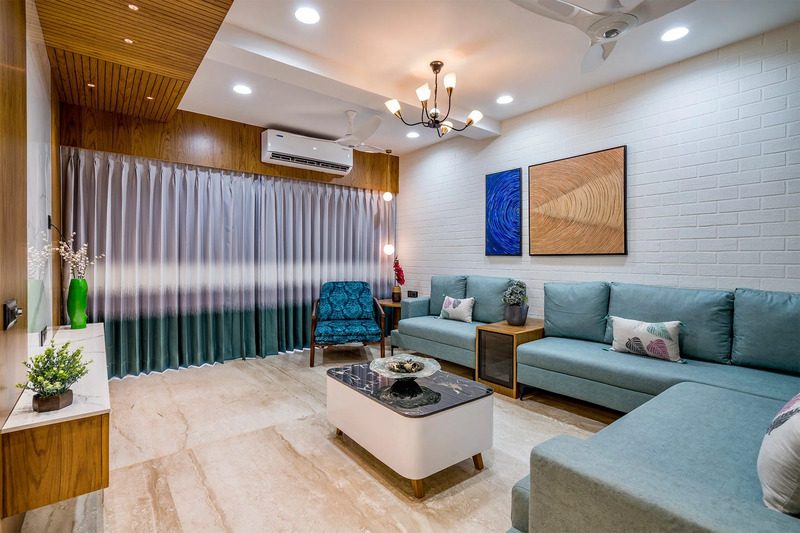
Modern homes are often designed with efficiency and aesthetics in mind, but they can unintentionally create environments that feel disconnected from nature. Spending long hours indoors surrounded by artificial lighting and electronic devices can leave us feeling stressed, fatigued, and uninspired. Biophilic design, however, offers a simple solution. By incorporating natural elements into interior spaces, you can improve both the look and the feel of your home. The great thing is that even small changes can make a significant impact, making your living spaces feel more vibrant, calming, and connected to the outdoors.
Why Biophilic Design Matters
Humans have an innate connection to nature, often referred to as “biophilia.” Research shows that exposure to natural elements—like sunlight, plants, water, and natural textures—reduces stress, improves mood, and enhances productivity. It also promotes better indoor air quality and helps regulate sleep cycles. By adopting biophilic design principles, you aren’t just decorating your home; you’re creating an environment that nurtures mental and physical well-being.
1. Surround Yourself with Greenery
One of the easiest and most effective ways to bring nature indoors is through plants. Houseplants not only purify the air but also add color, texture, and a sense of calm to any room. Large plants like fiddle leaf figs or monstera trees make striking statement pieces, while smaller plants like succulents, snake plants, or pothos are perfect for desks, shelves, and windowsills. For a modern twist, consider vertical gardens or hanging planters to maximize greenery in limited spaces. Even if maintaining plants feels challenging, faux plants or preserved greenery can offer a similar aesthetic with minimal upkeep.
2. Embrace Natural Light
Sunlight has an incredible effect on mood and health. Letting more natural light into your home can make spaces feel larger, warmer, and more welcoming. Maximize light by keeping windows clean, using sheer curtains, and arranging furniture to allow sunlight to penetrate deeper into rooms. Mirrors can amplify the effect by reflecting light into darker corners. If your home lacks adequate sunlight, skylights or strategically placed artificial lights with daylight tones can simulate the experience and keep spaces feeling natural and refreshing.
3. Incorporate Natural Materials
Materials like wood, stone, bamboo, rattan, and clay add warmth, texture, and authenticity to interiors. Wooden tables, stone countertops, and bamboo furniture provide a subtle yet powerful connection to the outdoors. Even smaller accents, like woven baskets, linen cushions, or ceramic vases, contribute to a tactile, nature-inspired atmosphere. Using these materials helps create a cohesive design that feels organic rather than artificial.
4. Use Nature-Inspired Colors
Colors that mimic the natural world can profoundly affect how we feel in a space. Greens evoke vitality and calm, blues inspire tranquility, and earthy tones like beige, terracotta, and warm browns create a cozy, grounded environment. Painting an accent wall, selecting cushions, rugs, or artwork in these hues can enhance the natural feel of your home. Layering these colors throughout different areas maintains visual harmony and reinforces the connection to nature.
5. Engage Multiple Senses
Biophilic design isn’t just visual—it’s sensory. Introducing natural scents and sounds creates a more immersive experience. Essential oils like eucalyptus, lavender, or cedarwood can fill rooms with fresh, calming aromas. Soft background sounds of rainfall, ocean waves, or rustling leaves help replicate outdoor tranquility, reduce stress, and improve focus. Combining sight, smell, and sound in your home can create a deeply relaxing, restorative environment.
6. Frame Outdoor Views
If your home offers access to outdoor scenery, use it to your advantage. Position seating and work areas to enjoy views of gardens, trees, or the sky. Large windows, glass doors, and even skylights can blur the boundary between indoor and outdoor spaces. When a natural view isn’t available, consider artwork, photographs, or wall decals that depict landscapes, forests, or water scenes. These visuals can simulate the feeling of being outdoors while adding artistic flair.
7. Introduce Water Elements
Water is a calming natural element, and adding it to your home can create a soothing atmosphere. Small indoor fountains, aquariums, or even bowls with floating candles and flowers can evoke the sound and movement of water. The gentle trickle of water promotes relaxation and adds an element of dynamic beauty to a space.
8. Prioritize Air Quality and Freshness
Good air quality is vital for health and comfort. Incorporate plants that naturally filter indoor air and open windows when weather permits. Air-purifying systems and natural ventilation can keep spaces feeling fresh, just like the outdoors. A well-ventilated, naturally lit room encourages better circulation, reduces stress, and enhances overall well-being.
9. Include Organic Shapes and Patterns
Straight lines and sharp edges dominate many modern interiors, but organic shapes inspired by nature add softness and visual interest. Curved furniture, patterned wallpapers, or textiles with floral or leaf motifs mimic forms found in nature and make spaces feel more inviting. Even small design elements, like irregular stone tiles or wavy shelves, can reinforce the connection to the natural world.
10. Collaborate With Experts
Many top residential architecture firms now specialize in biophilic design. Consulting professionals can help you integrate these principles seamlessly into your home. They can recommend materials, layouts, and design strategies that maximize natural light, airflow, and greenery, ensuring a cohesive and functional living space. Professionals can also guide you on sustainable choices, making your home healthier for both you and the environment.
Conclusion
Biophilic design is more than just a trend—it’s a lifestyle choice that nurtures your mind, body, and spirit. Many top residential architecture firms now emphasize blending natural light, greenery, organic textures, and multi-sensory elements, helping you create a home that feels alive, peaceful, and deeply connected to the outdoors. Small adjustments, from adding plants to incorporating natural materials or water features, can transform your living space into a sanctuary that reflects nature’s calming influence.
Whether you’re redecorating a single room or designing an entire home, embracing biophilic principles can make a significant difference in your daily well-being. By paying attention to natural light, colors, textures, and sensory experiences, you invite the outdoors inside, creating a home that feels balanced, restorative, and truly harmonious with the natural world.
