

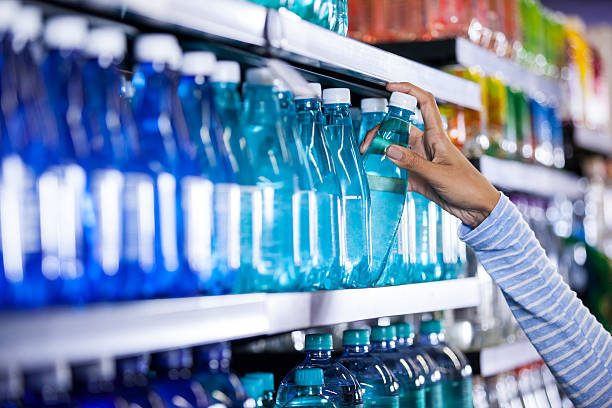
Bottled water consumption in Brazil continues evolving as consumers increasingly prioritize hydration, convenience, and healthier beverage choices within everyday routines. What was once viewed primarily as a travel-oriented or occasional purchase has gradually become integrated into regular household consumption patterns across urban and semi-urban environments.
According to a study published by Vyansa Intelligence, the Brazil Bottled Water Market size is valued at USD 5.25 billion in 2025 and is projected to reach USD 6.33 billion by 2032, growing at a CAGR of 2.71% from 2026 to 2032. The Brazil Bottled Water Market growth is being supported by rising health-conscious consumption, increasing demand for portable hydration products, and expanding retail accessibility across multiple distribution channels.
Health-Conscious Consumption Is Influencing Brazil Bottled Water Market Trends
One of the major Brazil Bottled Water Market trends is the growing consumer shift toward beverages associated with healthier lifestyles and balanced hydration habits. Consumers are increasingly reducing consumption of sugary carbonated drinks while seeking simpler and more wellness-oriented beverage alternatives.
Bottled water products are increasingly viewed as practical hydration solutions suitable for everyday use across workplaces, educational institutions, fitness environments, and travel activities.
Consumers are also becoming more selective regarding water quality, mineral composition, and product safety standards when purchasing bottled water products. This awareness is contributing to stronger demand for mineral water, purified water, and premium hydration categories.
The World Health Organization Drinking Water Fact Sheet continues emphasizing the importance of adequate hydration and access to safe drinking water as part of broader public health and wellness initiatives.
Urbanization and Busy Lifestyles Continue Supporting Demand
The Brazil Bottled Water Market size is strongly connected to urbanization and changing mobility patterns. Expanding metropolitan populations, longer commuting hours, and fast-paced work schedules continue increasing the importance of convenient and portable hydration products.
Consumers increasingly seek beverages that are easily accessible during daily routines, particularly while traveling, commuting, exercising, or working outside the home.
Single-serve bottled water products remain highly popular across convenience stores, supermarkets, transportation hubs, fitness centers, and roadside retail outlets.
At the same time, larger bottled water containers continue supporting residential consumption and workplace hydration requirements.
This combination of portability and convenience remains one of the strongest drivers supporting long-term bottled water demand across Brazil.
Premium and Functional Hydration Categories Are Expanding
The Brazil Bottled Water Market growth is also being influenced by increasing product diversification and premiumization. Consumers are gradually exploring bottled water categories associated with mineral enhancement, alkaline balance, natural sourcing, and wellness-oriented positioning.
Premium bottled water products are increasingly marketed around purity, source origin, and lifestyle-oriented branding strategies.
Functional hydration products positioned around electrolyte support, active lifestyles, and wellness-focused consumption are also becoming more visible among younger and fitness-oriented consumers.
This shift reflects broader beverage industry changes where hydration products are increasingly connected to preventive wellness and healthier daily routines rather than basic refreshment alone.
Retail Expansion and E-Commerce Are Improving Accessibility
Retail infrastructure expansion continues playing an important role in Brazil Bottled Water Market trends. Supermarkets, hypermarkets, convenience chains, and digital grocery platforms are improving product accessibility across multiple regions and income groups.
Online grocery services and app-based delivery platforms are also supporting bottled water sales by offering consumers greater convenience for routine household purchasing.
Subscription-based water delivery models and bulk packaging formats are gaining popularity among urban households and office environments.
The increasing integration of digital commerce into daily shopping habits is helping bottled water brands expand reach and improve consumer accessibility.
Tourism and Outdoor Culture Continue Supporting Consumption
Brazil’s tourism activity, warm climate conditions, and outdoor lifestyle culture continue contributing significantly to bottled water demand. Consumers participating in beach tourism, sports activities, travel, and outdoor recreation frequently prioritize portable hydration products.
Hotels, restaurants, transportation networks, and entertainment venues all contribute to stable bottled water consumption across commercial channels.
Travel-oriented purchasing remains particularly important because bottled water is often viewed as a convenient and reliable hydration option during outdoor movement and tourism-related activities.
The hospitality sector also increasingly includes premium bottled water offerings as part of broader wellness-focused customer experiences.
Sustainability Discussions Are Influencing Packaging Strategies
Environmental sustainability is becoming increasingly relevant within the Brazil Bottled Water Market forecast. Consumers are becoming more aware of plastic waste concerns, recycling infrastructure, and sustainable packaging initiatives.
The United Nations Environment Programme Beat Plastic Pollution Initiative continues encouraging a stronger focus on sustainable packaging solutions and plastic waste reduction practices worldwide. These discussions are gradually influencing packaging innovation across the global beverage industry.
Manufacturers are increasingly exploring recyclable materials, lightweight packaging solutions, and environmentally conscious branding strategies to align with changing consumer expectations.
Although sustainability concerns continue growing, bottled water demand remains strongly supported by convenience, accessibility, and hydration-focused consumer behavior.
Health and Fitness Culture Is Supporting Long-Term Growth
The growing visibility of health-conscious lifestyles and fitness culture is also contributing to Brazil Bottled Water Market growth. Consumers participating in gyms, sports activities, outdoor exercise, and wellness-focused routines increasingly prioritize regular hydration.
Bottled water products are frequently associated with active lifestyles, dietary balance, and wellness-oriented daily habits.
This growing integration into fitness culture is strengthening bottled water’s position within the broader non-alcoholic beverage category.
Consumers increasingly associate hydration products with preventive wellness and healthier living patterns rather than occasional consumption alone.
Brazil Bottled Water Market Forecast Reflects Stable Long-Term Demand
The Brazil Bottled Water Market forecast suggests continued stable growth supported by health awareness, urbanization, retail expansion, and changing beverage consumption preferences. The projected CAGR of 2.71% reflects a relatively mature but consistently relevant beverage category.
Consumers increasingly value bottled water for portability, reliability, convenience, and alignment with healthier lifestyle choices. These factors continue supporting demand across residential, workplace, travel, and hospitality environments.
As wellness-focused consumption patterns, premium hydration trends, and retail accessibility continue evolving, bottled water is expected to remain one of the most consistently consumed beverage categories within Brazil’s broader packaged drinks industry.
