

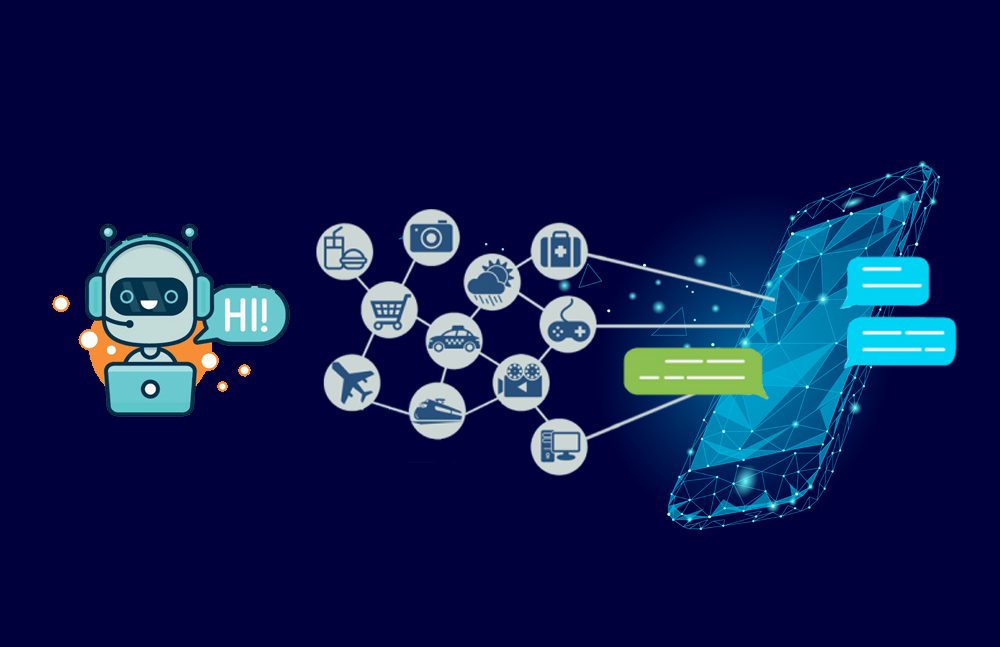
Boost Customer Engagement with Custom Chatbot Application Development
Chatbot application development services are a type of software development that focuses on creating chatbot applications for various platforms such as websites, mobile apps, and messaging platforms. Chatbots are computer programs that use artificial intelligence (AI) to simulate human conversation, allowing users to interact with them in a natural and conversational way. These chatbots can be used for a wide range of purposes, including customer service, sales, marketing, and more.
Chatbot application development services typically involve the use of programming languages such as Python, Java, or C++ to create the underlying logic and functionality of the chatbot. Additionally, these services may also involve the use of natural language processing (NLP) and machine learning algorithms to enable the chatbot to understand and respond to user input in a human-like manner. Overall, chatbot application development services aim to create intelligent and user-friendly chatbot applications that can effectively engage with users and provide valuable assistance or information.
The Benefits of Using Chatbot Application Development Services
There are numerous benefits to using chatbot application development services. Firstly, chatbots can significantly improve customer service by providing instant and round-the-clock support to users. This can help businesses reduce the need for human customer service agents and save on operational costs. Additionally, chatbots can also enhance user engagement by providing personalized recommendations, answering queries, and guiding users through various processes.
Furthermore, chatbot application development services can also help businesses streamline their sales and marketing efforts. Chatbots can be programmed to qualify leads, provide product information, and even facilitate transactions, thereby improving conversion rates and driving revenue. Moreover, chatbots can also be used for internal purposes, such as automating repetitive tasks and providing employees with quick access to information.
Overall, the benefits of using chatbot application development services are numerous and can have a significant impact on a business’s operations and customer interactions.
How to Choose the Right Chatbot Application Development Service Provider
When choosing a chatbot application development service provider, there are several factors to consider. Firstly, it’s important to assess the provider’s experience and expertise in developing chatbot applications. Look for providers with a proven track record of creating successful and innovative chatbot solutions for businesses in your industry.
Additionally, consider the provider’s approach to user experience and design. A well-designed chatbot can significantly enhance user engagement and satisfaction, so it’s important to choose a provider that prioritizes user-centric design principles. Furthermore, consider the provider’s ability to integrate the chatbot application with your existing systems and platforms, as seamless integration is crucial for a smooth user experience.
Lastly, consider the provider’s ongoing support and maintenance services. Chatbot applications require regular updates and maintenance to ensure optimal performance, so it’s important to choose a provider that offers reliable support and maintenance services.
The Process of Developing a Chatbot Application
The process of developing a chatbot application typically involves several key stages. Firstly, the development team will work with the client to define the objectives and requirements of the chatbot application. This may involve conducting research on the target audience, identifying use cases, and outlining the desired functionality of the chatbot.
Next, the development team will design the user interface and conversational flow of the chatbot application. This may involve creating wireframes, mockups, and prototypes to visualize the user experience and gather feedback from stakeholders.
Once the design is finalized, the development team will begin building the underlying logic and functionality of the chatbot using programming languages and AI technologies. This may involve implementing natural language processing algorithms, machine learning models, and integrating with external APIs and databases.
After the development phase is complete, the chatbot application will undergo rigorous testing to ensure that it functions as intended and provides a seamless user experience. This may involve testing for usability, performance, security, and compatibility with various platforms and devices.
Finally, once the chatbot application has been thoroughly tested and approved, it will be deployed to the client’s chosen platforms and made available to users.
Common Features and Functions of Chatbot Applications
Chatbot applications can have a wide range of features and functions depending on their intended purpose and target audience. Some common features of chatbot applications include natural language processing capabilities that enable the chatbot to understand and respond to user input in a conversational manner. Additionally, chatbots may also have personalized recommendation engines that provide users with tailored suggestions based on their preferences and behavior.
Furthermore, chatbot applications may also have transactional capabilities that allow users to make purchases, bookings, or reservations directly through the chat interface. This can significantly streamline sales processes and improve conversion rates for businesses.
Moreover, chatbots may also have integration capabilities that allow them to connect with external systems such as CRM platforms, e-commerce systems, or third-party APIs. This enables chatbots to access and retrieve relevant information from various sources to provide users with accurate and up-to-date information.
Overall, common features of chatbot applications are designed to enhance user engagement, provide valuable assistance or information, and streamline various processes for businesses.
Integrating Chatbot Applications with Existing Systems
Integrating chatbot applications with existing systems is crucial for ensuring a seamless user experience and maximizing the value of the chatbot. This may involve integrating with customer relationship management (CRM) systems to access customer data and provide personalized assistance or recommendations. Additionally, integrating with e-commerce platforms can enable chatbots to facilitate transactions and provide product information to users.
Furthermore, integrating with internal systems such as inventory management or order processing systems can enable chatbots to provide real-time information on product availability or order status. This can significantly improve customer satisfaction and streamline operations for businesses.
Moreover, integrating with third-party APIs such as weather data or news feeds can enable chatbots to provide users with relevant information based on their location or interests. This can enhance user engagement and provide added value to users.
Overall, integrating chatbot applications with existing systems is essential for maximizing their capabilities and providing a seamless user experience.
The Future of Chatbot Application Development Services
The future of chatbot application development services is promising, with continued advancements in AI technologies and natural language processing capabilities. As AI continues to evolve, chatbots will become even more intelligent and capable of understanding complex user queries and providing accurate responses.
Furthermore, chatbots will continue to play a significant role in improving customer service by providing instant support and personalized assistance to users. This will help businesses reduce operational costs while improving customer satisfaction.
Moreover, as chatbots become more integrated with existing systems and platforms, they will be able to provide users with more comprehensive assistance and streamline various processes such as sales, marketing, and internal operations.
Additionally, as voice-based interfaces become more prevalent, chatbots will also evolve to support voice interactions, enabling users to engage with them through voice commands or natural language input.
Overall, the future of chatbot application development services is bright, with continued advancements in AI technologies driving innovation and creating new opportunities for businesses to enhance user engagement and streamline operations through intelligent chatbot applications.
