

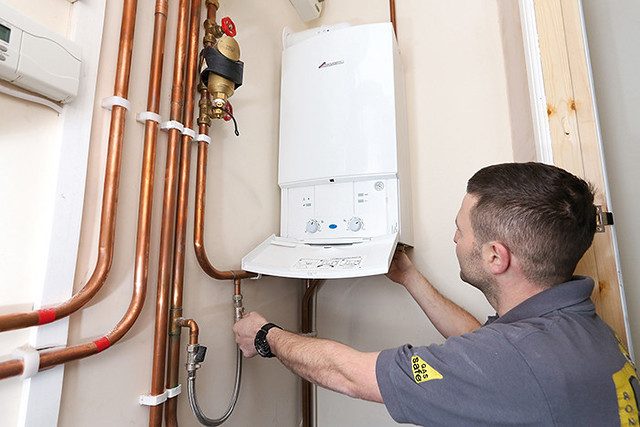
A dependable boiler system is one of the most important investments a commercial or industrial facility can make. From manufacturing plants and healthcare facilities to schools, municipalities, and large commercial properties, boilers play a critical role in maintaining operations, supporting production processes, and providing consistent heating throughout the year. When an aging system becomes unreliable or operational needs change, professional boiler installation in Gurnee, IL provides the opportunity to improve efficiency, enhance safety, and support long-term performance.
Installing a commercial or industrial boiler involves much more than replacing equipment. Proper planning, system design, regulatory compliance, and expert installation all contribute to the success of the project. A well-installed boiler system can reduce operating costs, improve reliability, and provide decades of dependable service when matched correctly to the facility’s needs.
Why Boiler Installation Matters
Boilers operate at the center of many critical systems, making their performance essential to business continuity. Facilities that rely on steam generation, process heating, or large-scale building heating need equipment that can perform consistently under demanding conditions. When a boiler begins experiencing frequent breakdowns, rising fuel consumption, or increasing maintenance costs, replacement often becomes the most cost-effective long-term solution.
A modern boiler installation allows facility managers to address ongoing operational challenges while taking advantage of advances in efficiency and control technology. New systems often offer improved fuel utilization, enhanced safety features, better monitoring capabilities, and greater reliability compared to older equipment.
Beyond immediate operational improvements, investing in the right boiler system helps position a facility for future growth and changing demands.
Signs It May Be Time for a New Boiler
Many facilities attempt to maximize the lifespan of existing equipment, but there comes a point when repairs become increasingly expensive and less effective. Frequent service calls, recurring component failures, and declining performance often indicate that replacement should be considered.
Older boilers may struggle to maintain consistent pressure or temperature levels, resulting in operational inefficiencies that affect productivity and comfort. Rising utility costs can also signal declining system efficiency, especially when equipment has been operating for decades.
Safety concerns represent another important factor. Aging systems may no longer meet current regulatory requirements or may require extensive upgrades to remain compliant. In these situations, installing a modern boiler can provide both operational and safety benefits.
A thorough assessment of the existing system helps determine whether continued repairs or complete replacement offers the best long-term value.
Designing the Right Boiler System
Every commercial and industrial facility has unique requirements. A boiler that performs well in a food processing plant may not be suitable for a hospital, manufacturing facility, or educational campus. Successful installation begins with understanding how the system will be used and what demands it must support.
Factors such as facility size, heating requirements, process loads, fuel availability, and future expansion plans all influence equipment selection. Proper sizing is especially important because an oversized or undersized boiler can lead to inefficiencies, higher operating costs, and reduced equipment life.
Experienced professionals evaluate these factors carefully to ensure that the selected system aligns with operational objectives while providing dependable performance for years to come.
The Boiler Installation Process
Commercial and industrial boiler installation is a complex undertaking that requires careful coordination and technical expertise. Every stage of the project must be managed to minimize disruption while maintaining safety and compliance.
The process typically begins with a detailed site assessment and project planning phase. Existing equipment is evaluated, infrastructure requirements are reviewed, and installation logistics are developed. Once the new system is selected, technicians coordinate equipment delivery, rigging, removal of outdated components, and preparation of the installation area.
Installation includes connecting piping systems, controls, fuel lines, venting, and safety devices. Every connection must meet applicable codes and industry standards to ensure safe operation. After installation is complete, technicians perform startup procedures, testing, calibration, and commissioning to verify that the system operates as intended.
This comprehensive approach helps ensure that the boiler performs efficiently from the first day of operation.
Compliance and Safety Considerations
Commercial and industrial boiler systems are subject to strict safety regulations and industry requirements. Proper installation is critical not only for performance but also for compliance with applicable codes and standards.
Pressure vessels, piping systems, fuel connections, and control systems must all meet regulatory requirements. Certified welding, proper documentation, and detailed inspections play important roles throughout the installation process.
Facilities that prioritize compliance reduce the risk of safety incidents, regulatory penalties, and unexpected operational disruptions. Working with qualified professionals helps ensure that every aspect of the installation meets current standards while protecting employees, equipment, and facility operations.
Benefits of Modern Boiler Technology
Today’s commercial boiler systems offer significant advantages compared to older equipment. Advances in engineering and controls have improved efficiency, reliability, and ease of operation across many industries.
Modern systems provide more precise control over temperature and pressure, allowing facilities to optimize performance while reducing fuel consumption. Enhanced monitoring capabilities enable operators to identify potential issues early and make informed decisions about maintenance and system performance.
Many facilities also benefit from improved environmental performance. High-efficiency systems help reduce emissions and support sustainability initiatives while lowering operating expenses.
These improvements often create measurable savings over the life of the equipment, making installation a strategic investment rather than simply a replacement project.
Supporting Industrial and Commercial Operations
Facilities throughout Gurnee depend on boiler systems for a wide range of applications. Manufacturing operations use boilers to support production processes and maintain operational efficiency. Healthcare facilities require dependable heating and steam generation to support patient care and critical services.
Educational institutions, municipal buildings, commercial properties, and food processing facilities all rely on properly functioning boiler systems to meet daily demands. Because every industry faces unique operational challenges, installation projects must be customized to support specific requirements.
Experienced boiler professionals understand these differences and provide solutions designed to align with each facility’s goals and operational environment.
The Role of Preventive Maintenance After Installation
Installing a new boiler is only the beginning of its service life. Ongoing maintenance plays a crucial role in preserving performance, efficiency, and reliability over the long term.
Routine inspections help identify minor issues before they develop into major problems. Regular cleaning, testing, and system adjustments support efficient operation and help maximize equipment lifespan. Maintenance programs also help facilities maintain compliance with safety standards and manufacturer recommendations.
A proactive maintenance strategy protects the investment made during installation and reduces the likelihood of unexpected downtime.
Choosing a Trusted Installation Partner
The success of a boiler installation Gurnee IL project depends heavily on the expertise of the team performing the work. Commercial and industrial systems require specialized knowledge, technical skills, and an understanding of complex operational requirements.
Facility managers benefit from working with professionals who communicate clearly, provide accurate assessments, and prioritize long-term reliability over short-term solutions. A trusted installation partner can guide equipment selection, manage project logistics, and ensure that the finished system meets performance expectations.
Experience, certifications, safety practices, and responsiveness all contribute to a successful partnership and a smoother installation process.
Investing in Reliable Boiler Performance
Professional boiler installation in Gurnee, IL helps commercial and industrial facilities improve efficiency, enhance safety, and support long-term operational success. Whether replacing aging equipment or installing a system for a new facility, careful planning and expert execution are essential to achieving reliable performance.
A properly designed and installed boiler system delivers more than heat or steam. It supports productivity, protects critical operations, and provides the dependable performance businesses need to remain competitive. By investing in quality equipment and experienced installation professionals, facility owners can build a stronger foundation for future growth and operational reliability.
