

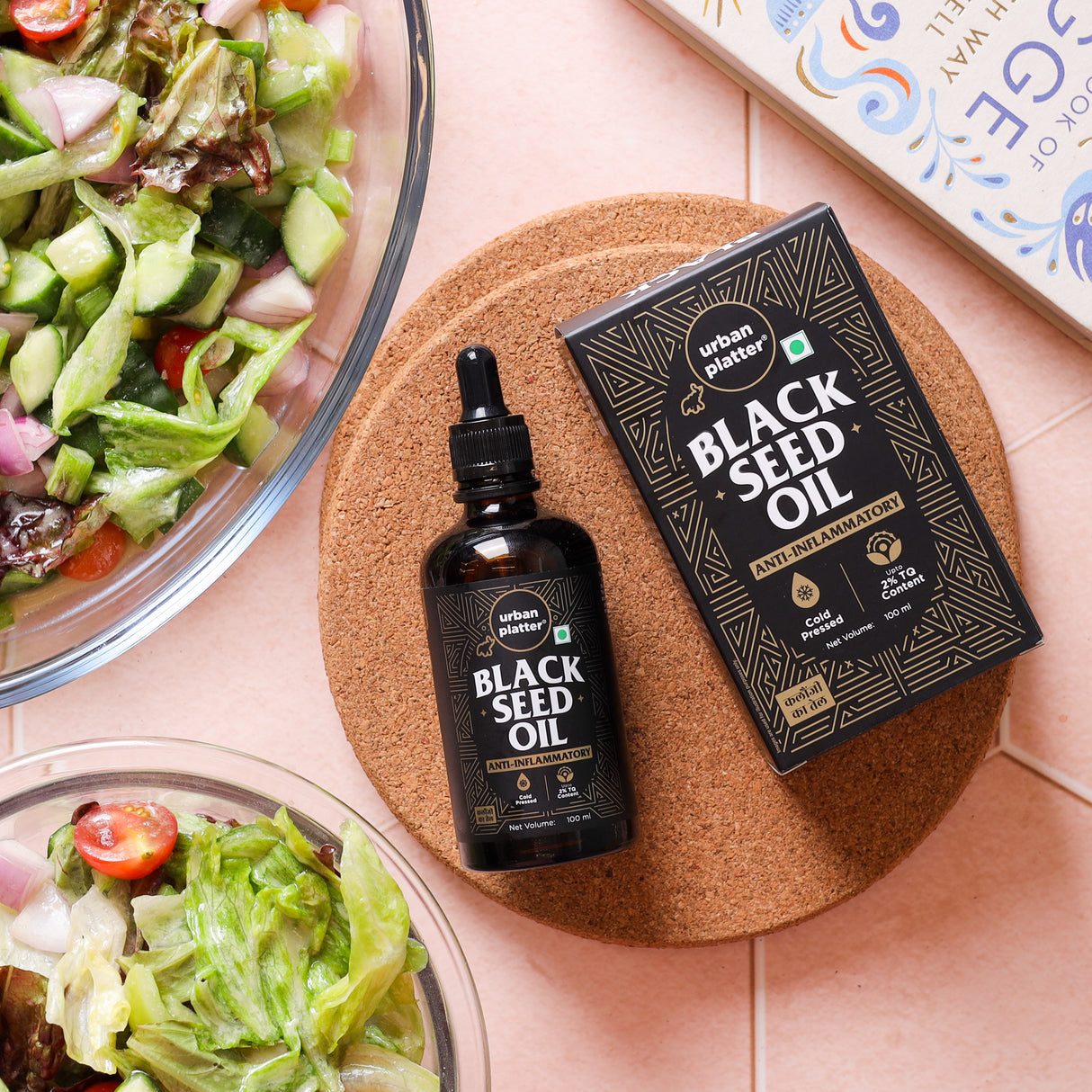
If you’ve been exploring natural health remedies, you’ve likely come across both Black seed oil and Black cumin oil. These names are often used interchangeably, which can be confusing for consumers trying to make the right choice.
So, are black seed oil and black cumin oil actually the same? The short answer is: sometimes yes—but not always. Let’s break it down clearly so you can understand the difference and choose the right one for your needs.
What Is Black Seed Oil?
Black seed oil is derived from the seeds of the plant Nigella sativa, commonly known as black seed, kalonji, or black cumin (in some regions).
This oil has been used for centuries in traditional medicine systems like Ayurveda and Unani. It is widely valued for its therapeutic properties, mainly due to an active compound called thymoquinone.
Key Characteristics:
- Extracted from Nigella sativa seeds
- Dark in color with a slightly bitter taste
- Rich in antioxidants and healthy fats
- Commonly used for immunity, skin, and overall wellness
What Is Black Cumin Oil?
Here’s where the confusion begins.
The term “black cumin oil” can refer to two completely different sources, depending on how it’s used:
1. Black Cumin Oil (Nigella sativa)
In many cases, “black cumin oil” is simply another name for black seed oil derived from Nigella sativa. In this context, both terms refer to the same product.
2. Black Cumin Oil (Bunium bulbocastanum)
In some regions, especially in South Asia, black cumin may refer to a different plant called Bunium bulbocastanum (also known as kala jeera). Oil from this plant is less commonly used and has different properties.
Why the Confusion?
The confusion arises mainly because of naming differences across cultures and markets.
- In Western countries, “black seed oil” is the more common term
- In India and the Middle East, “black cumin oil” may be used for Nigella sativa
- “Kala jeera” (true black cumin) is a different spice altogether
Because of this overlap, many brands use the terms interchangeably—even when they technically shouldn’t.
Key Differences Between Black Seed Oil and Black Cumin Oil
| Feature | Black Seed Oil (Nigella sativa) | Black Cumin Oil (Bunium bulbocastanum) |
|---|---|---|
| Source | Nigella sativa seeds | Black cumin (kala jeera) seeds |
| Common Use | Health supplements, skincare | Culinary spice, limited oil use |
| Active Compounds | Thymoquinone (high) | Different nutrient profile |
| Popularity | Widely used globally | Less common in oil form |
| Taste | Slightly bitter, pungent | Earthy and mild |
👉 Important Note:
When most people talk about black cumin oil in health and wellness, they are actually referring to black seed oil (Nigella sativa).
Health Benefits: Are They the Same?
If both oils come from Nigella sativa, then yes—their benefits are essentially the same.
Common Benefits of Black Seed Oil:
- Supports immune system function
- Helps manage inflammation
- May improve skin and hair health
- Supports digestion
- Rich in antioxidants
However, oil derived from true black cumin (Bunium bulbocastanum) does not offer the same level of research-backed health benefits.
How to Identify the Right Oil
When buying black seed or black cumin oil, it’s important to check the label carefully.
Look for:
- Botanical name: Nigella sativa
- Cold-pressed extraction method
- No added chemicals or fillers
- Dark glass packaging (to preserve nutrients)
Avoid products that simply say “black cumin oil” without specifying the source, as this can be misleading.
Which One Should You Choose?
If your goal is to gain health benefits like improved immunity, better skin, or overall wellness, you should choose:
👉 Black seed oil derived from Nigella sativa
This is the oil backed by research and widely used in natural health practices.
If you are specifically looking for a culinary spice oil, then black cumin (kala jeera) oil may be relevant—but it is not commonly used for health supplementation.
Final Thoughts
So, are black seed oil and black cumin oil the same? The answer depends on context.
- In many cases, yes—they refer to the same oil from Nigella sativa
- In other cases, black cumin oil may refer to a completely different plant
Because of this, it’s important not to rely solely on the product name. Always check the botanical source to ensure you’re getting the right oil.
Understanding this difference can help you make better purchasing decisions and ensure you enjoy the full benefits of this powerful natural remedy.
