

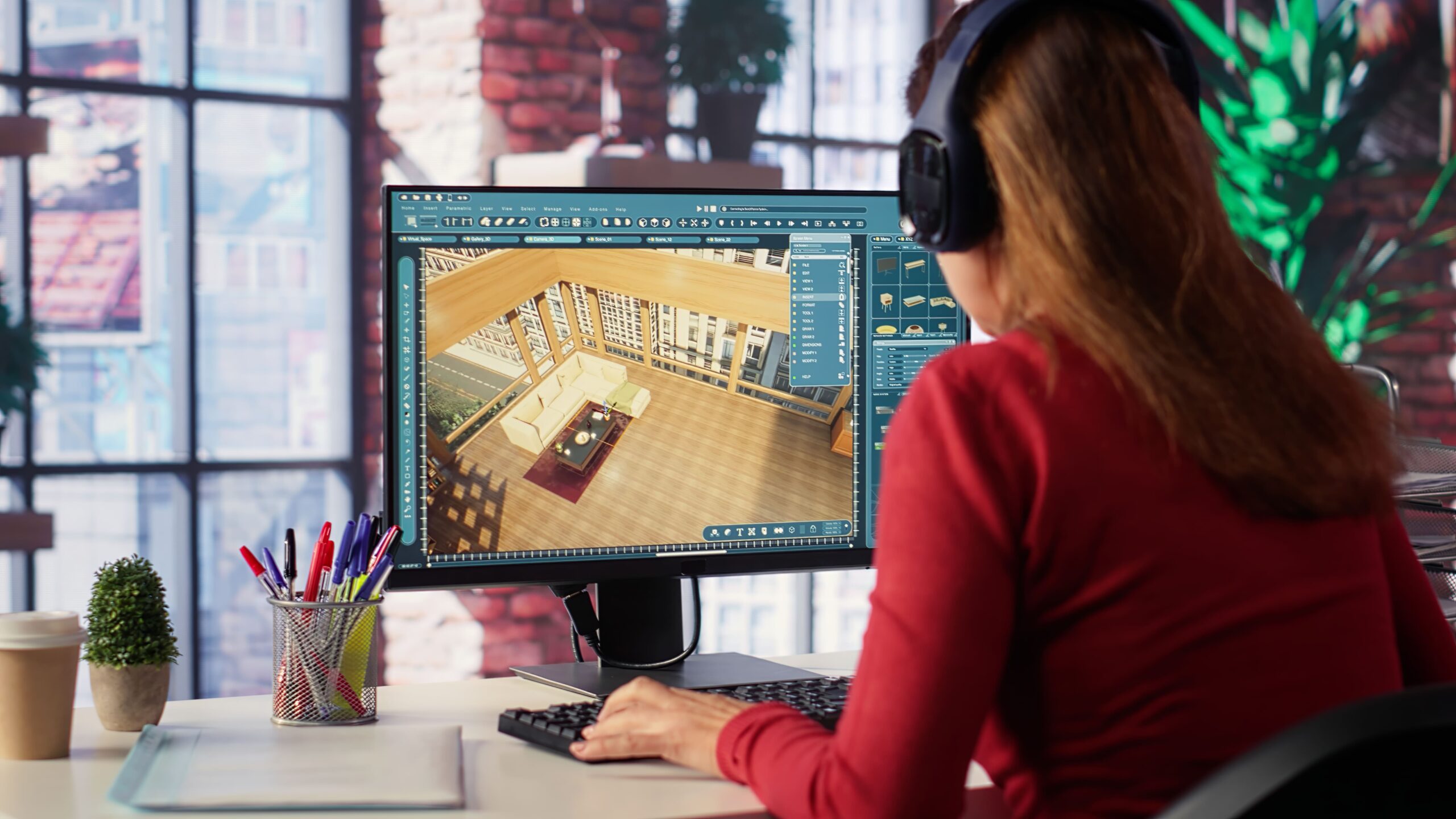
In today’s fast-paced construction industry, Building Information Modeling (BIM) has revolutionized the way architectural, engineering, and construction (AEC) professionals plan, design, and manage buildings and infrastructure. With BIM’s increasing demand, many professionals are eager to acquire BIM skills, but the question arises: Should they opt for structured BIM courses or take the self-learning route?
While self-learning offers flexibility and low-cost options, structured BIM training courses have several advantages that provide a solid foundation for success. In this article, we’ll explore the reasons why structured BIM courses are often the best path for success compared to self-learning.
1. Expert Guidance and Structured Curriculum
One of the main benefits of enrolling in a structured BIM course is the access to expert instructors who are experienced in the field. These instructors are often industry professionals who can provide practical insights and real-world examples that self-learning platforms simply cannot match. They also offer personalized support, helping students understand complex concepts and ensuring they are on the right track.
Structured courses also follow a carefully planned curriculum, ensuring that students cover all the necessary topics in a logical progression. This systematic approach helps students build a solid understanding of the fundamentals before moving on to more advanced topics. Self-learners, on the other hand, often struggle with finding the right resources and may skip essential concepts or get stuck on one area for too long.
2. Hands-On Experience with Industry-Standard Tools
A major advantage of taking a structured BIM course is the opportunity to gain hands-on experience with the latest industry-standard BIM software, such as Autodesk Revit, Navisworks, or ArchiCAD. These tools are an integral part of modern-day construction, and learning them through guided instruction ensures that you gain a high level of proficiency.
Self-learners can face challenges when it comes to accessing these software tools, as many require expensive licenses. Moreover, without expert guidance, learners may struggle to use the tools effectively or learn only a fraction of their full potential. Structured courses often provide access to licensed software as part of the curriculum, enabling students to practice and refine their skills on real-world projects.
3. Networking Opportunities and Industry Connections
Another advantage of enrolling in a structured BIM course is the opportunity to network with other students and instructors, many of whom may already be working in the BIM field. These connections can lead to valuable professional relationships, job opportunities, and collaboration on future projects. Structured courses often foster a community environment where students can share ideas, ask questions, and learn from each other.
Self-learners, in contrast, lack this level of interaction. They often miss out on the chance to connect with like-minded individuals who can offer mentorship or collaboration. In a structured course, peer discussions and group work can greatly enhance the learning experience, as students benefit from different perspectives and expertise.
4. Accountability and Motivation
When learning on your own, it can be difficult to stay motivated and accountable. Without a set schedule or deadlines, it’s easy to procrastinate and get sidetracked. Structured BIM courses, on the other hand, provide a clear learning path with specific milestones and deadlines. This level of organization encourages consistent progress, and students are held accountable for their learning.
Additionally, structured courses often include assessments, exams, and practical projects that help students track their progress. This system of evaluation helps to identify areas of improvement and motivates students to push themselves further. Without the external structure of a course, self-learners may lack the discipline to follow through and finish the course material.
5. Real-World Applications and Case Studies
Structured BIM courses typically incorporate case studies, group projects, and practical exercises that simulate real-world scenarios. This type of hands-on learning is invaluable, as it helps students understand how BIM is applied in actual construction projects. Students work on real-life problems, collaborate with others, and develop solutions, preparing them for the challenges they will face in their professional careers.
While self-learners can explore BIM software and tutorials on their own, they often miss out on the chance to work on real-world projects and case studies. Structured courses provide a more immersive experience that reflects the practical demands of the construction industry, equipping students with the skills and confidence they need to succeed in the workforce.
6. Certification and Career Advancement
Completing a structured BIM course often results in a certification, which is a valuable asset for job seekers in the AEC industry. Many companies require employees to have formal training and certification in BIM software, and having a recognized qualification can make you more competitive in the job market.
In contrast, self-learners may struggle to prove their expertise, as they lack formal recognition for their efforts. Employers often look for candidates with verifiable credentials, and self-learners may have difficulty demonstrating their skills without a certification. A structured BIM course not only enhances your knowledge but also provides you with a credential that can help you stand out to potential employers.
7. Up-to-Date Content and Industry Standards
BIM is a rapidly evolving field, with new software features, updates, and industry standards being introduced regularly. Structured BIM courses are designed to stay current with the latest developments in the industry. Instructors often update the curriculum to reflect new trends, technologies, and software updates, ensuring that students are learning the most relevant and up-to-date information.
Self-learners, however, may struggle to find updated resources. They could end up learning outdated techniques or tools that are no longer used in the industry, making their self-taught knowledge less applicable in real-world situations.
8. Access to Career Services and Job Placement Support
Many structured BIM courses, especially those offered by established institutions like Advenser Academy, provide career services and job placement support to help students transition from training to employment. This may include resume reviews, interview coaching, job boards, and direct connections to industry recruiters.
Self-learners, on the other hand, are left to navigate the job market on their own. While they can still apply for positions, they often lack the support and guidance that structured courses offer to help students secure employment in the BIM field.
Conclusion: The Clear Winner—Structured BIM Courses
While self-learning offers flexibility and can be a useful supplement to formal education, structured BIM courses are the best path to success for those looking to build a solid foundation in BIM. These courses provide expert guidance, hands-on experience, industry-standard tools, networking opportunities, accountability, and career advancement support. With the construction industry continuing to embrace BIM, investing in structured training is an investment in your future career.
Whether you are looking to enter the BIM field or advance your current skills, a structured BIM course will equip you with the knowledge, tools, and certification you need to succeed. Advenser Academy’s BIM courses offer a comprehensive learning experience designed to meet the needs of both beginners and advanced professionals.
