

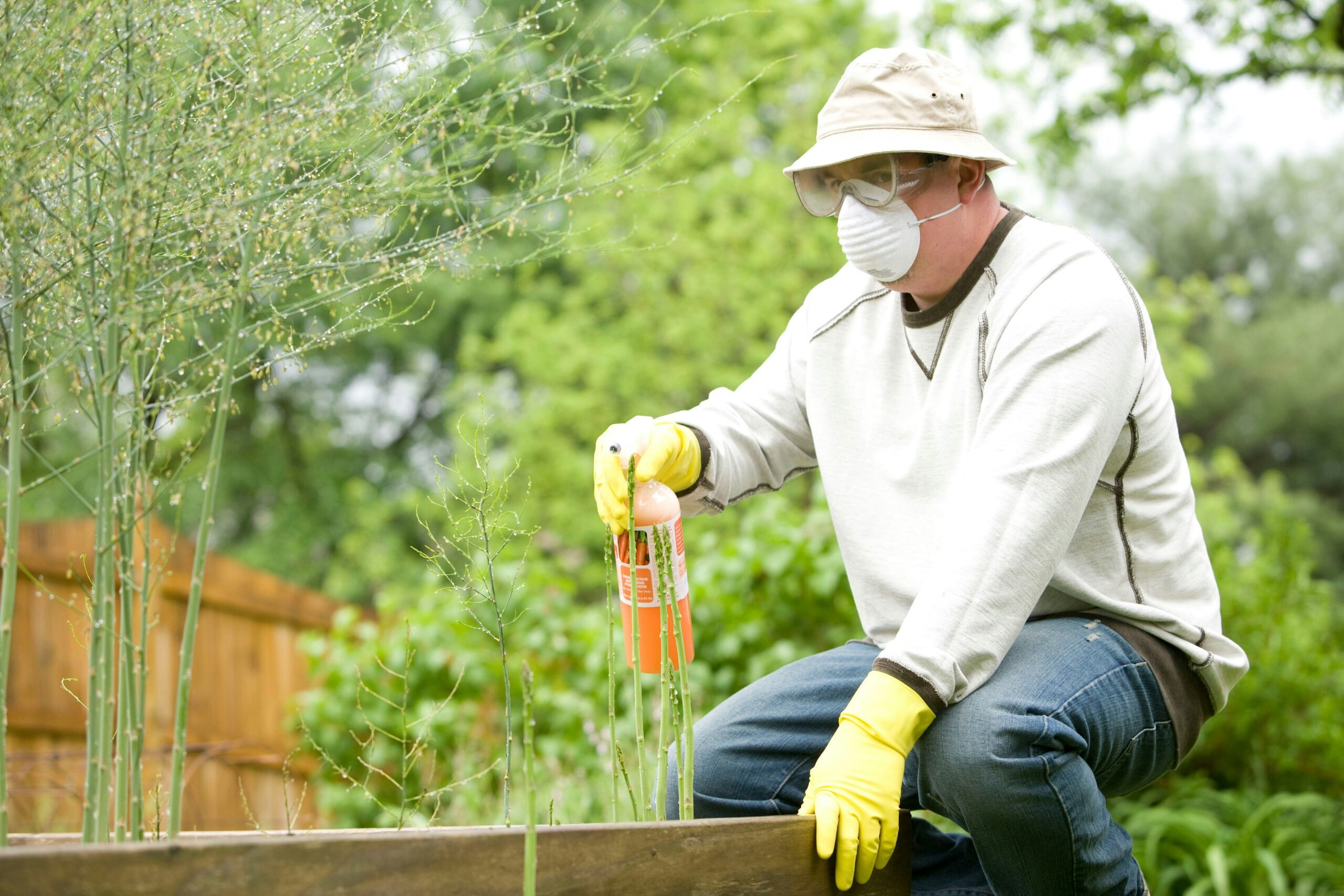
Effective disease management is critical to maintaining healthy crops and maximizing yields in modern agriculture. Among the tools available to farmers, validamycin stands out as a powerful liquid fungicide for combating a wide range of plant diseases. This blog provides a comprehensive overview of the best practices for using validamycin, including optimal application techniques, integration with other disease control strategies, and key considerations for maximizing its benefits.
Understanding the Role of Validamycin in Disease Management
What is Validamycin?
Validamycin is a naturally derived antifungal agent that targets soil-borne and foliar diseases. Its unique mechanism of action disrupts the synthesis of trehalose, a critical sugar many fungi need to grow and reproduce. This disruption halts the spread of pathogens and promotes healthier crop growth.
Why Use Validamycin in Liquid Form?
- Rapid Absorption: Liquid fungicides like validamycin offer quick absorption and immediate protection against pathogens.
- Broad-Spectrum Control: Effective against various plant diseases, including rice sheath blight, root rot, and bacterial infections.
- Low Environmental Impact: Biodegrades quickly, making it an environmentally friendly option for sustainable and organic farming systems.
For farmers seeking an efficient and reliable disease management solution, Valipro—Validamycin 3% L is an excellent choice. It provides comprehensive control with minimal impact on the surrounding environment.
Best Practices for Using Validamycin
1. Correct Dosage and Application
Achieving optimal results with validamycin begins with using the correct validamycin dose per acre. Over- or under-application can reduce effectiveness, waste resources, or contribute to resistance development in pathogens.
- Recommended Dosage: The typical range is 1-2 liters per acre, but adjustments may be necessary based on crop type, disease severity, and local conditions.
- Application Methods:
- Foliar Sprays: Ensures thorough leaf and stem coverage, ideal for combating above-ground diseases.
- Soil Drenching: Targets root and soil-borne pathogens by applying validamycin directly to the soil around plant roots.
2. Timing of Applications
Timing is critical when using validamycin. Applying the fungicide at the proper plant growth and disease development stage ensures maximum efficacy.
- Preventive Measures: Early application, before the onset of disease or at the first signs of infection, is crucial for stopping pathogen spread.
- Regular Monitoring: Conduct regular crop inspections to detect early signs of disease and respond promptly with validamycin applications.
3. Precision Application Techniques
Modern agriculture greatly benefits from precision technologies that optimize inputs like validamycin. Advanced tools such as GPS-guided sprayers or drip irrigation systems ensure even distribution and minimize waste.
- Benefits:
- Improved Coverage: Ensures that every plant receives the correct amount of fungicide.
- Reduced Costs: Minimizes chemical usage and maximizes cost efficiency.
“Precision in disease control is the key to protecting crops and maximizing their potential.”
4. Integrating Validamycin with Other Disease Management Strategies
Validamycin works best when part of an Integrated Pest Management (IPM) system. IPM emphasizes using multiple control strategies to minimize disease pressure and enhance crop health.
Cultural Practices
- Crop Rotation: Breaks the disease cycle by alternating different crops in the same field, reducing pathogen buildup.
- Sanitation: Removing plant debris and maintaining clean fields reduces the reservoir of pathogens.
Biological Controls
- Beneficial Microorganisms: Introducing beneficial bacteria and fungi can enhance soil health and naturally suppress pathogens.
Farmers can achieve comprehensive disease control with minimal environmental impact by combining validamycin with these practices.
Environmental and Economic Considerations
Supporting Sustainable Agriculture
Validamycin’s low toxicity and rapid breakdown make it a valuable tool for organic and sustainable agriculture farmers. It helps maintain the delicate balance of ecosystems while effectively controlling plant diseases.
- Organic Farming Benefits: Reduces reliance on synthetic chemicals and protects beneficial insects and soil microorganisms.
Economic Benefits of Validamycin
- Cost-Effective Disease Control: Fewer crop losses due to disease mean higher yields and increased profitability.
- Quality Improvement: Beneficial crops produce higher-quality, marketable produce, enhancing their value.
Addressing Common Challenges with Validamycin Use
Resistance Management
Prolonged use of a single fungicide can lead to the development of resistance in pathogens. To prevent this, farmers should rotate validamycin with other fungicides with different action modes. This practice minimizes the risk of resistance and maintains long-term efficacy.
Proper Storage and Handling
To ensure the effectiveness and safety of validamycin, proper storage and handling guidelines must be followed. The fungicide should be kept in a cool, dry place away from direct sunlight, and label instructions must be adhered to for safe use.
Training and Education
Providing farm workers with training on the proper application, handling, and storage of validamycin ensures consistent and effective disease control. Knowledge of IPM strategies further enhances the benefits of validamycin use.
Real-World Applications and Success Stories
Many farmers and greenhouse operators have reported significant crop health and productivity improvements after incorporating validamycin into their disease management programs. Its ability to target both soil-borne and foliar diseases makes it a versatile and valuable tool in modern agriculture.
- Case Study Example: A commercial greenhouse specializing in vegetables achieved a 30% reduction in disease-related crop losses after integrating validamycin into their IPM strategy.
Future Prospects for Validamycin in Agriculture
Innovations in Formulation and Delivery
Ongoing research into new formulations and delivery methods for validamycin and other liquid fungicides promises even greater efficacy, longer-lasting protection, and enhanced environmental safety. Innovations such as controlled-release formulations offer targeted disease control with minimal inputs.
Promoting Sustainable and Resilient Agriculture
As agriculture faces growing challenges from climate change, disease pressures, and market demands for sustainability, validamycin will play a critical role in helping farmers adapt and thrive. Its effectiveness, compatibility with sustainable practices, and versatility across crop types make it a cornerstone of modern disease management.
