

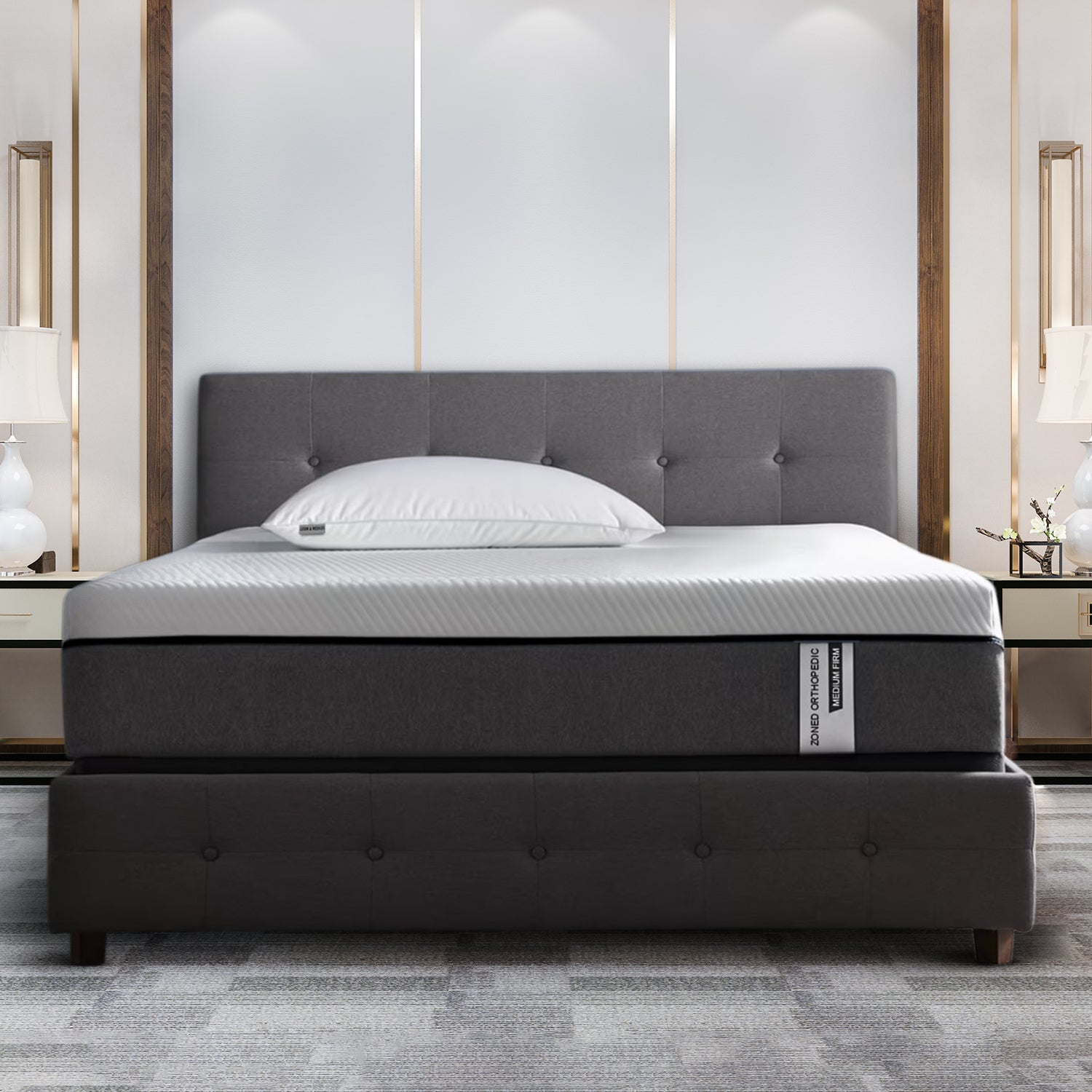
If you’ve ever woken up with a stiff back or nagging pain that follows you throughout the day, you’re not alone. Millions of people deal with back pain daily, and one of the biggest culprits might be right under you: your mattress.
Yes, the mattress you sleep on could either be helping your back recover and realign, or silently contributing to your discomfort. That’s where an orthopedic memory foam mattress comes into the picture—specifically designed to provide relief, support, and that “finally-I-slept-well” feeling.
Let’s dive into why orthopedic memory foam mattresses are becoming the go-to solution for back pain relief and how to find the one that’s right for you.
So, What Exactly Is an Orthopedic Memory Foam Mattress?
Orthopedic simply means it’s designed to support the body, especially the joints, spine, and overall skeletal system. It’s made for people who need proper posture support and spinal alignment, whether due to chronic back pain, injuries, or simply the desire to wake up without stiffness.
Memory Foam is a high-density, viscoelastic material that adapts to your body’s shape. It “remembers” your contours and cradles pressure points like your shoulders, hips, and lower back—giving you customized support every night.
Now, put the two together, and you get a mattress that’s built not just for comfort, but for pain relief and long-term back health.
Why Memory Foam Is a Better for Back Pain
- Body Contouring Support
Memory foam reacts to body heat and weight, molding to your exact shape. This ensures your spine stays in its natural alignment—no awkward curves or stress on the lower back. -
Pressure Point Relief
Whether you sleep on your back, side, or stomach, pressure points (like hips and shoulders) can dig into a traditional mattress. Memory foam distributes your weight evenly, helping prevent that. -
Motion Isolation
If your partner tosses and turns all night, memory foam absorbs that movement, so your sleep isn’t disturbed. Less movement = deeper rest = better back recovery. -
Zoned Support
Some orthopedic memory foam mattresses offer zoned technology—which means different areas of the mattress are designed to support different parts of your body. For instance, your shoulders may get softer cushioning, while your hips and lower back get firmer support. It’s like having a mattress tailored just for you.
Signs You Might Need an Orthopedic Memory Foam Mattress
Still wondering if it’s time to upgrade? Look out for these signs:
-
You wake up with lower back pain or stiffness
-
Your current mattress feels too firm or too soft
-
You find yourself tossing and turning often
-
You sleep better on hotel beds or somewhere else
-
You can feel your mattress sagging or dipping
If you’re nodding yes to any of these, it’s probably time to give your back the support it deserves.
What to Look for in the Best Orthopedic Memory Foam Mattress
Here’s how to pick a mattress that truly supports your back:
-
Multiple Layers of Foam
A good orthopedic mattress isn’t just one slab of memory foam. It usually has a combination of memory foam (for comfort) and high-density support foam (for durability and spine support). -
Zoned Construction
Look for mattresses that offer zoned support or “ergonomic zones.” This means certain areas are softer or firmer depending on your body’s needs. -
Medium-Firm Feel
Studies have shown that medium-firm mattresses are ideal for back pain. Too soft and you’ll sink; too hard and you’ll create new pressure points. Medium-firm strikes the perfect balance. -
Breathability
Memory foam used to get a bad rap for retaining heat. But newer models now come with features like open-cell foam, cooling gel layers, or breathable covers. Always check for this if you sleep hot. -
Hypoallergenic Materials
Orthopedic memory foam mattresses are often made with hypoallergenic fabrics that resist dust mites and allergens—great for anyone with respiratory issues.
Tips to Maximize Your Back Support
-
Replace your pillows too: A good mattress works best with the right pillows. Make sure your neck and spine are aligned.
-
Give it time: Some memory foam mattresses take a few nights to break in. Let your body adjust.
-
Rotate your mattress: Every few months, rotate your mattress 180° to ensure even wear.
-
Use a supportive base: Your mattress needs the right foundation. Make sure it’s on a sturdy platform or slatted base.
Final Thoughts
Your mattress isn’t just a piece of furniture—it’s a vital part of your health. Investing in an orthopedic memory foam mattress can mean the difference between groggy, painful mornings and waking up refreshed, energized, and pain-relief.
If back pain has been your nightly companion, it might be time to swap your old bed for something built to support you in all the right ways. Sleep is healing—and with the right mattress, every night becomes an opportunity to restore your body.
Here’s to a better back and better sleep—starting tonight.
