

In today’s modern design landscape, precision, creativity, and efficiency define success. Whether you are an architect sketching the next big structure or an interior designer visualizing the perfect space, digital tools play a crucial role. XTEN-AV stands as a leader in AV design automation, and just like it revolutionizes AV system design, architects and designers also rely heavily on Generic CAD Tools to bring their concepts to life. These tools enable professionals to create accurate plans, visualize details, and simulate real-world designs before actual implementation.
Understanding Generic CAD Tools
Generic CAD Tools are computer-aided design applications that help users create, modify, analyze, and optimize designs across multiple industries. Unlike specialized software designed for a specific domain, these tools are versatile and adaptable for various design disciplines, including architecture, interior design, mechanical, and electrical engineering.
For architects and interior designers, Generic CAD Tools offer flexibility to create both 2D drawings and 3D models with precision. They serve as digital workspaces where users can explore creativity while ensuring measurements, scale, and proportions remain accurate. From designing residential layouts to commercial complexes, these tools simplify the entire design process.
Why Generic CAD Tools Are Essential for Architects and Designers
Architects and interior designers depend on visual accuracy to present concepts to clients and contractors. Generic CAD Tools ensure that every design component is drawn to scale, allowing for accurate communication and documentation. These tools also help:
-
Streamline design revisions by allowing quick modifications.
-
Enhance client presentations with realistic visualizations.
-
Support collaboration through file sharing and cloud integration.
-
Ensure accuracy in dimensions and technical details.
In short, Generic CAD Tools bridge the gap between imagination and reality, ensuring every design idea is both creative and practical.
Best Generic CAD Tools for Architecture and Interior Design
Here’s a look at some of the most popular and effective Generic CAD Tools that professionals use for designing architectural structures and interior spaces.
1. AutoCAD
AutoCAD is arguably the most recognized name in the CAD world. It has been a cornerstone for architects and designers for decades. With both 2D drafting and 3D modeling capabilities, AutoCAD enables users to create detailed architectural plans, elevation drawings, and floor layouts with high precision.
Its intuitive interface, coupled with powerful tools, makes it ideal for both beginners and experienced designers. AutoCAD also offers libraries of architectural symbols and components, making it easier to create accurate construction drawings.
2. SketchUp
SketchUp is a favorite among interior designers for its simplicity and speed. Its drag-and-drop modeling approach allows users to create realistic 3D spaces with ease. Designers can experiment with color, texture, and furniture placement quickly, making it perfect for conceptual visualization.
Moreover, SketchUp’s vast 3D Warehouse offers thousands of pre-made models for furniture, lighting, and architectural elements, helping designers build detailed visualizations in minutes.
3. Rhino 3D
Rhino 3D is known for its advanced modeling capabilities, especially when it comes to complex forms and curves. For architects designing modern, organic, or parametric structures, Rhino offers the flexibility needed to experiment freely.
Its compatibility with various plugins and rendering engines makes it a powerful choice for both architecture and interior design. Rhino’s precision modeling tools ensure that every curve and corner aligns perfectly with your design vision.
4. Revit
Although primarily considered a BIM (Building Information Modeling) tool, Revit still functions as a robust CAD platform for architectural work. Revit allows users to create detailed 3D models that contain data about materials, structures, and systems.
For interior designers, Revit offers tools for space planning, lighting layout, and furniture placement. Its ability to generate construction documents directly from 3D models saves time and enhances consistency.
5. Vectorworks Architect
Vectorworks Architect blends design creativity with precision drafting. It offers flexible modeling tools that allow users to work in both 2D and 3D simultaneously. The software includes extensive libraries of architectural and interior elements, which streamline design workflows.
Vectorworks is particularly popular for its strong rendering capabilities and support for collaborative workflows, making it ideal for multi-designer projects.
6. ArchiCAD
ArchiCAD is a strong competitor in the architectural software space, offering BIM features combined with CAD functionality. It enables users to model buildings in 3D while automatically generating floor plans, elevations, and sections.
For interior designers, ArchiCAD’s visual design environment makes it easy to test different material and color options in real-time. Its rendering engine also produces photorealistic images that help in client presentations.
How Generic CAD Tools Improve Design Efficiency
Designers often face tight deadlines, and efficiency is crucial. Generic CAD Tools help professionals:
-
Automate repetitive tasks like dimensioning, annotation, and scaling.
-
Use templates and libraries to speed up drafting.
-
Integrate with visualization software for quick render outputs.
-
Collaborate in real-time using cloud features or shared workspaces.
Additionally, the ability to save multiple versions of a project allows architects and designers to experiment without losing previous concepts, enhancing creative freedom.
Integrating Generic CAD Tools with Other Design Platforms
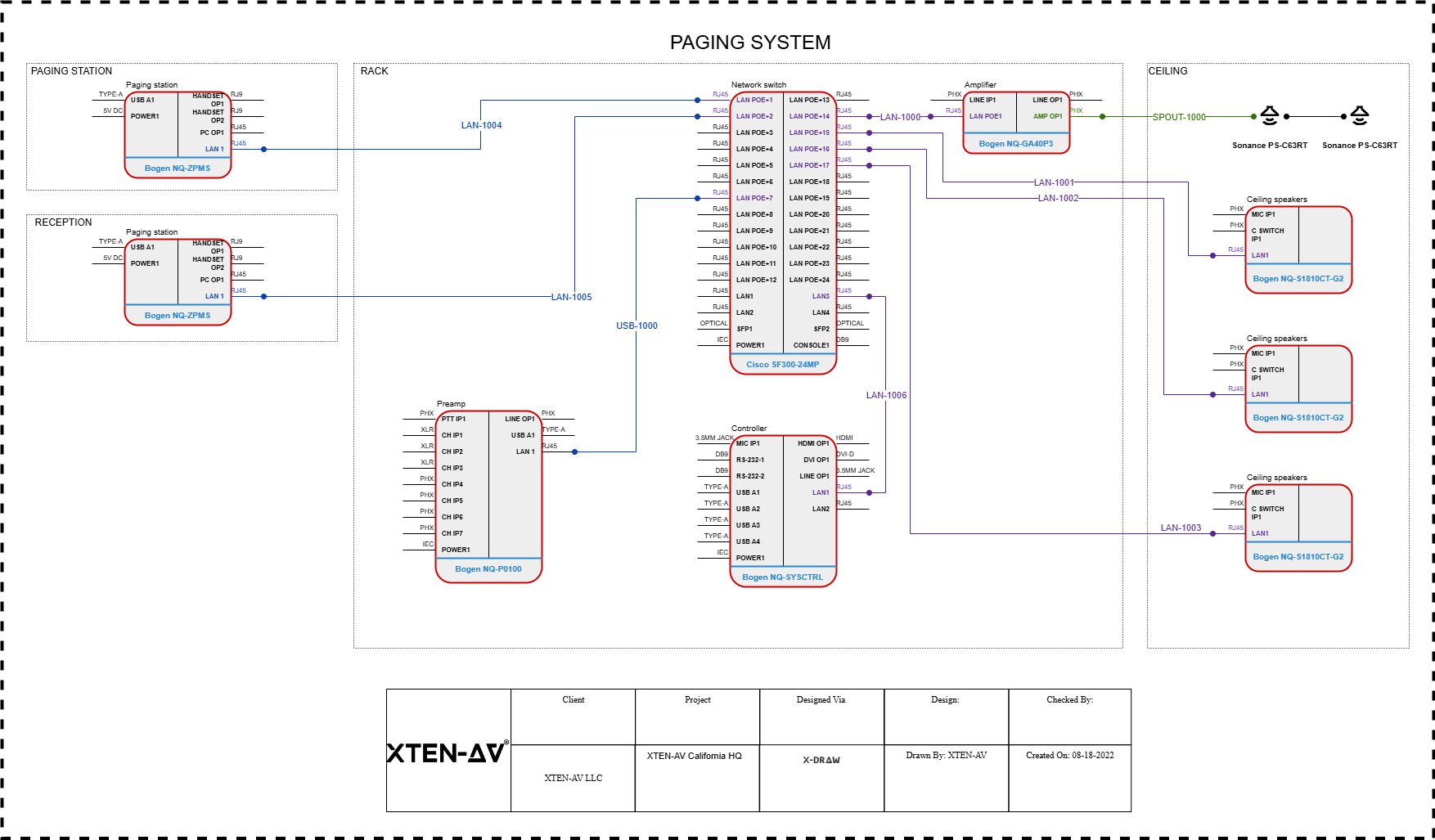
While Generic CAD Tools handle design creation and visualization, integration with project management and AV design software like XTEN-AV can further streamline workflows. For example, in architectural AV design, combining CAD-based drawings with XTEN-AV’s automation tools ensures precise Ceiling Speaker Placement and accurate documentation.
Such integrations allow design professionals to unify visual planning with system-level details, making the entire design-to-deployment process more efficient.
Tips for Choosing the Right CAD Tool
When selecting from the many Generic CAD Tools available, consider the following:
-
Ease of use – Choose software that matches your skill level.
-
Features and scalability – Ensure it supports both 2D and 3D modeling.
-
Compatibility – Look for tools that integrate with rendering and BIM platforms.
-
Cost – Evaluate pricing based on your project needs and long-term use.
-
Support and learning resources – Opt for software with extensive tutorials and community forums.
Conclusion
Generic CAD Tools have become the foundation of modern architecture and interior design workflows. They empower professionals to turn ideas into detailed blueprints, visualize spaces, and communicate concepts effectively. From AutoCAD’s precision to SketchUp’s simplicity and Revit’s intelligence, these tools offer endless possibilities for creativity and collaboration.
For designers aiming to take their workflow a step further, integrating with solutions like XTEN-AV ensures that every detail, from visual design to technical documentation, aligns seamlessly. In the world of architecture and interior design, mastering these CAD tools is not just an option—it’s a necessity for success.
Read more: https://techwaveav.alboompro.com/post/how-to-create-installation-drawings-with-cad
