

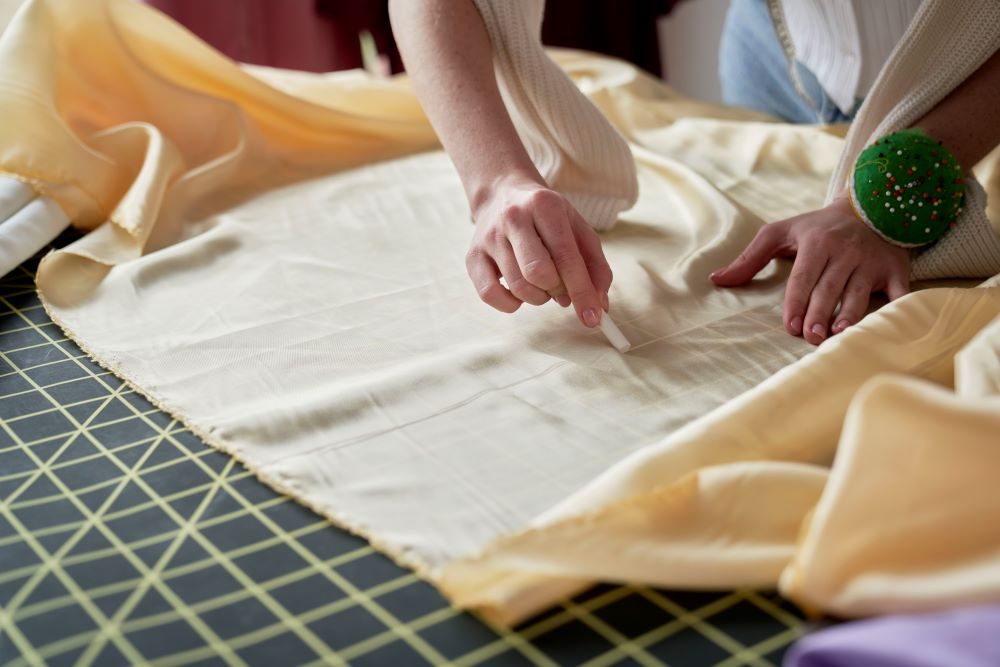
Cotton fabric remains one of the most sought-after materials for clothing, home textiles, and crafting projects across Hungary. The country’s growing textile industry and increasing demand for personalized fabrics have created a thriving market for specialized cotton fabric stores. This guide highlights the top cotton fabric stores in Hungary that offer exceptional customization options, helping you find the perfect material for your next project.
Why Cotton Fabric Dominates Hungary’s Textile Market
Hungary’s textile industry has experienced steady growth over the past decade, with cotton fabric leading the charge. The material’s versatility, durability, and comfort make it a preferred choice for both professional designers and hobbyists. Hungarian consumers particularly value cotton fabric for its breathability and ease of care, making it ideal for the country’s varied climate.
The rise of DIY culture and personalized fashion has further boosted demand for custom cotton fabrics. More people want unique patterns, colors, and textures that reflect their individual style. This trend has pushed fabric stores to expand their customization services, offering everything from digital printing to bespoke dyeing.
Key Factors for Choosing Cotton Fabric Stores
When selecting a cotton fabric store in Hungary, several factors determine quality and service excellence. First, fabric quality matters most—look for stores that source premium cotton with consistent weave and durability. The best stores provide detailed information about thread count, fabric weight, and cotton origin.
Customization capabilities separate good stores from great ones. Top-tier stores offer multiple customization options including digital printing, screen printing, embroidery, and custom dyeing. They should also provide sample services, allowing you to test fabrics before placing large orders.
Customer service quality directly impacts your shopping experience. Reliable stores employ knowledgeable staff who understand different cotton types, care instructions, and suitable applications. They should offer professional advice on fabric selection and customization techniques.
Location and accessibility play crucial roles, especially for customers who prefer examining fabrics in person. The best stores combine physical locations with robust online platforms, providing flexible shopping options.
Top Cotton Fabric Stores in Hungary
1. Fabriclore
Fabriclore stands out as Hungary’s premier destination for custom cotton fabrics. This innovative store combines traditional craftsmanship with modern technology to deliver exceptional results. Their extensive cotton collection includes organic options, specialty weaves, and eco-friendly variants.
The store’s customization services are particularly impressive. Fabriclore offers high-resolution digital printing that produces vibrant, long-lasting designs on cotton fabric. Their team works closely with customers to achieve exact color matching and pattern placement. The store also provides bulk ordering options for fashion designers and textile manufacturers.
Fabriclore’s online platform makes ordering simple and efficient. Customers can upload designs, select fabric specifications, and receive detailed quotations within 24 hours. Their quality control process ensures every custom order meets strict standards before shipping.
2. Textil Műhely Budapest
Located in Budapest’s textile district, Textil Műhely specializes in premium cotton fabrics for fashion and home applications. The store stocks an impressive range of cotton weights, from lightweight voiles to heavy canvas materials. Their customization services include screen printing, block printing, and hand-dyeing techniques.
The store’s experienced staff provides valuable guidance on fabric selection and customization options. They offer color consultation services, helping customers achieve specific aesthetic goals. Textil Műhely also maintains strong relationships with local designers, making it a hub for Hungary’s creative community.
3. Pamut Világ
Pamut Világ focuses exclusively on cotton fabrics, offering unmatched expertise in this single material category. The store imports premium cotton from renowned global suppliers while supporting local Hungarian cotton producers. Their customization services emphasize sustainable practices and natural dyeing methods.
The store’s strength lies in its educational approach. Staff members share knowledge about cotton varieties, care techniques, and suitable applications. Pamut Világ also hosts workshops on fabric printing and dyeing, building a community of cotton fabric enthusiasts.
4. Színes Anyagok
This Debrecen-based store has built a reputation for creative customization solutions. Színes Anyagok specializes in small-batch custom orders, making it perfect for independent designers and crafters. Their cotton fabric selection emphasizes unique textures and specialty weaves.
The store’s customization process involves close collaboration with customers. They provide design consultation, sample creation, and multiple revision opportunities. Színes Anyagok also offers rush services for time-sensitive projects.
5. Kézműves Textil
Kézműves Textil combines traditional Hungarian textile techniques with modern cotton fabrics. Located in Szeged, this store offers customization services that honor local craftsmanship while meeting contemporary needs. Their cotton selection includes heritage varieties and modern blends.
The store’s unique selling point is its integration of traditional patterns with modern cotton printing techniques. Customers can commission fabrics that incorporate Hungarian folk motifs using contemporary cotton materials.
Customization Options Available in Hungary
Hungarian cotton fabric stores offer diverse customization options to meet various customer needs. Digital printing has become the most popular method, allowing for complex designs with unlimited color options. This technique works particularly well on cotton fabric, producing sharp images and vibrant colors.
Screen printing remains valuable for large orders and designs with limited color palettes. Many stores offer both water-based and plastisol inks, with water-based options being preferred for cotton fabric due to their soft hand feel and breathability.
Embroidery services add texture and dimension to cotton fabrics. Computer-controlled embroidery machines can create intricate designs with precise stitching. This option works well for logos, monograms, and decorative elements.
Custom dyeing allows customers to achieve specific color requirements. Stores use various dyeing methods including vat dyeing, reactive dyeing, and natural dyeing techniques. Each method produces different results on cotton fabric, affecting color fastness and appearance.
Heat transfer printing offers a cost-effective solution for small orders. This method works well on cotton blends and produces durable results for graphics and text-based designs.
Selecting the Right Cotton Fabric for Your Project
Cotton fabric selection depends on your specific project requirements. Weight is the first consideration—lightweight cotton works well for summer clothing and delicate items, while heavyweight cotton suits upholstery and bags. Thread count affects both appearance and durability, with higher counts generally providing smoother surfaces and better print quality.
Weave type influences fabric behavior and appearance. Plain weaves offer versatility and even dye absorption, making them ideal for customization. Twill weaves provide durability and interesting texture, while satin weaves create lustrous surfaces perfect for special applications.
Pre-treatment requirements vary by customization method. Digital printing often requires specially treated cotton fabrics, while screen printing works well on standard cotton materials. Discuss pre-treatment options with your chosen store to ensure optimal results.
Color considerations affect both aesthetics and practicality. Light-colored cotton fabrics show colors more accurately, while darker bases can create dramatic effects with light-colored inks. Consider how the base fabric color will interact with your chosen customization method.
Budget Planning for Custom Cotton Fabrics
Custom cotton fabric pricing varies significantly based on several factors. Fabric quality forms the base cost, with premium cotton commanding higher prices. Customization complexity directly affects pricing—simple single-color designs cost less than multi-color, detailed prints.
Order quantity influences per-unit costs. Most stores offer volume discounts for larger orders, making bulk purchasing economical for substantial projects. However, many stores also cater to small orders, though at higher per-unit costs.
Additional services such as design consultation, color matching, and rush processing add to overall costs. Budget for these services when planning your project timeline and finances.
Sample costs are typically separate from production orders. Most stores charge for samples but may credit these costs toward final orders. Request detailed pricing information before committing to any customization project.
Quality Assurance and Care Instructions
Reputable cotton fabric stores provide quality assurance measures to ensure customer satisfaction. This includes pre-production samples, color approval processes, and final quality checks before shipping. Understand each store’s quality assurance procedures before placing orders.
Care instructions vary by customization method and cotton type. Digital prints may require specific washing temperatures and drying methods to maintain color vibrancy. Screen prints generally offer better wash fastness but may have different care requirements.
Colorfastness testing ensures customized fabrics maintain their appearance over time. Request information about colorfastness testing procedures, especially for fabrics intended for frequent washing or sun exposure.
Storage recommendations help maintain fabric quality before use. Cotton fabrics should be stored in cool, dry conditions away from direct sunlight. Proper storage prevents color fading and fabric deterioration.
Supporting Hungary’s Cotton Fabric Industry
Choosing local cotton fabric stores supports Hungary’s textile industry and promotes sustainable practices. Local stores often source materials responsibly and maintain higher quality standards than mass-market alternatives.
Many Hungarian cotton fabric stores emphasize environmental responsibility through sustainable sourcing and eco-friendly customization methods. Support stores that prioritize environmental stewardship and ethical business practices.
Building relationships with local fabric stores provides ongoing benefits including priority service, volume discounts, and access to new products and services. Regular customers often receive advance notice of sales and special offers.
Your Next Steps in Hungary’s Cotton Fabric Scene
Hungary’s cotton fabric market offers excellent opportunities for finding high-quality materials with extensive customization options. Start by identifying your specific requirements including fabric weight, customization method, and budget constraints.
Contact multiple stores to compare services, pricing, and capabilities. Request samples from your top choices to evaluate quality firsthand. Don’t hesitate to ask detailed questions about customization processes, turnaround times, and quality assurance measures.
Consider visiting physical store locations when possible to examine fabrics in person and meet staff members. Building personal relationships with fabric store professionals can provide valuable long-term benefits for your projects.
Plan your orders with adequate lead time, especially for custom work during busy seasons. Most stores can accommodate rush orders, but advance planning ensures better results and potentially lower costs.
