

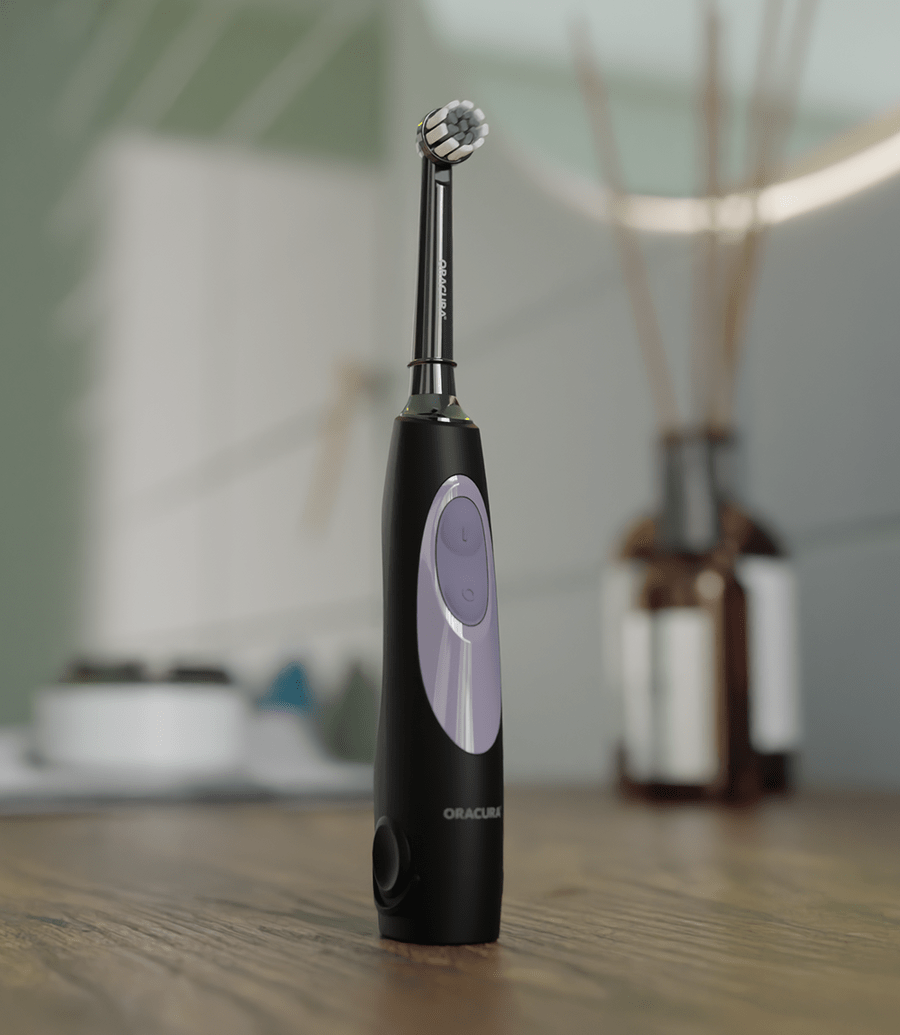
Brushing your teeth twice a day is one of the simplest habits for maintaining good oral health. But with the growing popularity of electric toothbrushes—especially oscillating models—many people wonder: are oscillating electric toothbrushes actually better than manual toothbrushes?
To answer this, it’s important to look beyond marketing claims and understand how each type works, how effective they are at cleaning teeth and gums, and who benefits most from making the switch.
What Is an Oscillating Electric Toothbrush?
An oscillating electric toothbrush uses a small, round brush head that rotates back and forth (oscillates) rapidly. Unlike manual toothbrushes, which rely entirely on your hand movements, oscillating brushes deliver thousands of movements per minute automatically.
This motion is designed to:
- Loosen plaque from tooth surfaces
- Clean along the gum line
- Reach areas that are difficult to clean with manual brushing
Some models also combine oscillation with pulsation, pushing plaque away from the teeth before sweeping it off.
How Manual Toothbrushes Work
Manual toothbrushes depend completely on the user’s brushing technique. The effectiveness of a manual brush depends on:
- Brushing angle
- Pressure applied
- Time spent brushing
- Consistency of technique
When used correctly—with proper strokes, pressure, and timing—a manual toothbrush can clean teeth effectively. However, studies and real-world habits show that many people don’t brush as thoroughly or consistently as recommended.
Plaque Removal: Which Is More Effective?
One of the biggest advantages of oscillating electric toothbrushes is plaque removal efficiency.
Oscillating brushes:
- Deliver consistent, high-speed movements
- Clean each tooth individually with precision
- Reduce reliance on manual brushing skill
Manual brushes:
- Can be effective, but results vary greatly based on technique
- Often miss plaque along the gum line and between teeth
Research has consistently shown that oscillating electric toothbrushes remove more plaque over time compared to manual toothbrushes, especially in users who struggle with brushing technique.
Gum Health and Safety
A common concern is whether electric toothbrushes are too harsh on gums. In reality, oscillating electric toothbrushes can be gentler than manual brushes when used correctly.
Why?
- Many electric brushes include pressure sensors to prevent over-brushing
- The controlled movement reduces aggressive scrubbing
- Soft, rounded brush heads are designed to protect gum tissue
Manual brushing, on the other hand, often leads to:
- Excessive pressure
- Horizontal scrubbing that irritates gums
- Enamel wear over time
For people with sensitive gums, gingivitis, or early gum recession, oscillating electric toothbrushes can offer better control and protection.
Ease of Use and Consistency
Consistency is key to oral health—and this is where oscillating toothbrushes truly shine.
Electric toothbrush benefits:
- Built-in timers ensure brushing for the dentist-recommended two minutes
- Quadrant pacing encourages even cleaning
- Minimal effort required from the user
Manual toothbrush challenges:
- Many people brush for less than one minute
- Uneven cleaning across different areas of the mouth
- Fatigue or rushed brushing, especially at night
For children, seniors, or individuals with limited hand mobility, oscillating electric toothbrushes make daily oral care far easier.
Cleaning Hard-to-Reach Areas
Oscillating toothbrushes are particularly effective at:
- Cleaning behind molars
- Reaching along the gum line
- Brushing around braces, crowns, and dental work
The compact round brush head mimics professional dental tools, allowing better access compared to the long, flat head of a manual toothbrush.
Manual toothbrushes can clean these areas—but only with careful technique and extra effort.
Are Manual Toothbrushes Still a Good Option?
Yes—manual toothbrushes still have their place.
They are:
- Affordable and widely available
- Easy to carry while travelling
- Effective when used with correct technique
However, they require:
- Strong brushing discipline
- Proper technique knowledge
- Consistent effort every day
For users who already brush perfectly and consistently, a manual toothbrush can still support good oral health. But for most people, maintaining ideal technique long-term is difficult.
Cost vs Long-Term Value
Manual toothbrushes are cheaper upfront, but need frequent replacement. Oscillating electric toothbrushes cost more initially, but:
- Offer better cleaning consistency
- Help reduce plaque-related dental issues
- May lower long-term dental treatment costs
When viewed as an investment in oral health rather than just a tool, electric toothbrushes often provide better value over time.
Final Verdict: Which Is Better?
So, are oscillating electric toothbrushes better than manual toothbrushes?
For most people, yes.
Oscillating electric toothbrushes:
- Remove plaque more effectively
- Support healthier gums
- Improve brushing consistency
- Make oral care easier and more efficient
Manual toothbrushes can still work well—but only with proper technique and discipline.
If you’re looking to improve your oral hygiene, reduce plaque buildup, protect your gums, and simplify your daily routine, switching to an oscillating electric toothbrush can be a smart and effective choice.
Your teeth don’t just need brushing—they need the right kind of care.
